ACC News Brief
Resilience New South Wales, Australia
Naming a homeowner's suburb doubled clicks on wildfire-preparation advice
What happened
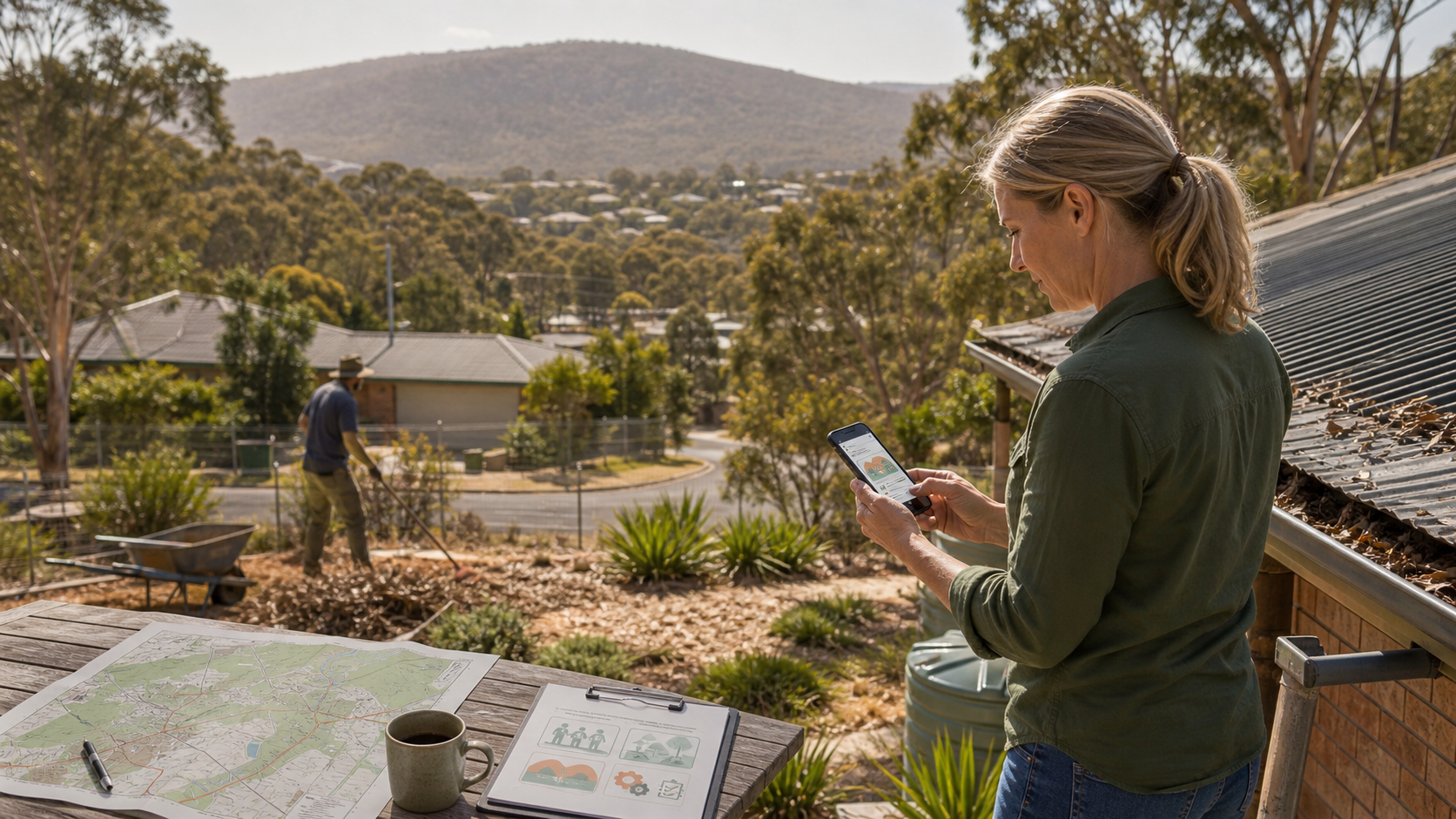
A preregistered randomized field experiment sent wildfire-preparation emails to 12,985 homeowners in fire-prone parts of New South Wales. Messages that named the recipient's suburb produced a 0.96 percent click-through rate, compared with 0.48 percent for otherwise similar general messages. The estimated odds ratio was 2.03, with a 95 percent confidence interval of 1.33 to 3.16, while the difference in email opens was not statistically significant.
Why it matters
Preparedness guidance only helps when people notice and use it. This study suggests that a small, privacy-conscious location cue can make risk information feel more relevant, but it measured clicks and landing-page visits—not completed home retrofits, evacuation readiness, reduced fire losses, or lives saved. The absolute increase was also less than one percentage point.
What to watch
- Replication outside this Australian bank-customer sample and across different hazards, communities, languages, and communication channels.
- Whether personalized messages lead to verified preparedness actions rather than short-term online engagement alone.
- Safeguards for privacy, accessibility, trust, and equitable targeting when organizations use localized risk information.
Sources & evidence
- Localized wildfire risk messaging increases homeowner engagement in a randomized field experimentPeer-reviewed Nature Human Behaviour paper published online December 8, 2025, DOI 10.1038/s41562-025-02352-w. The experiment measured message engagement, not completed mitigation or wildfire outcomes.
- Preregistered study planTime-stamped preregistration linked from the paper, documenting the experiment's planned design and analysis before results were assessed.
Continue learning with ACC
Learn how communities can prepare for climate hazards and build resilience