
This overview gathers the solutions side of the Education Center: clean electricity, efficiency, electrification, alternative fuels, ecosystems, resilience, and practical action. The goal is a realistic portfolio of solutions, because different problems need different tools.
 Clean power
Electricity is a central solution pathway
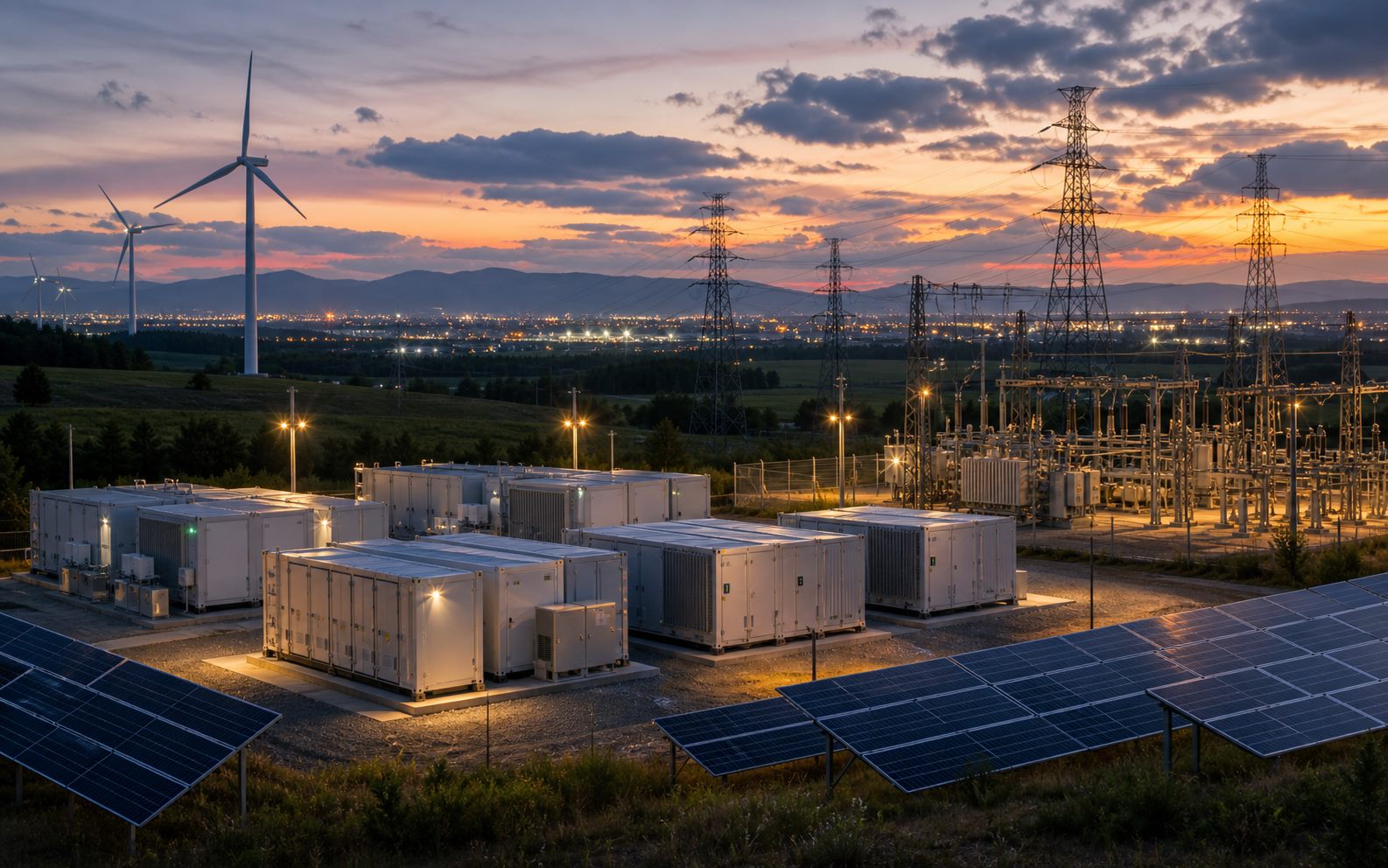
Clean electricity matters because it can reduce emissions directly and also power other solutions such as heat pumps, electric vehicles, efficient industry, and some forms of fuel production. Solar, wind, hydro, geothermal, storage, transmission, and demand flexibility each solve different parts of the system.
The clean-power transition is not just about building panels and turbines. It also requires interconnection, permitting, grid upgrades, reliability planning, workforce development, supply chains, and fair siting. A practical solution has to work technically, economically, and locally.
 Demand
Efficiency and electrification reduce pressure
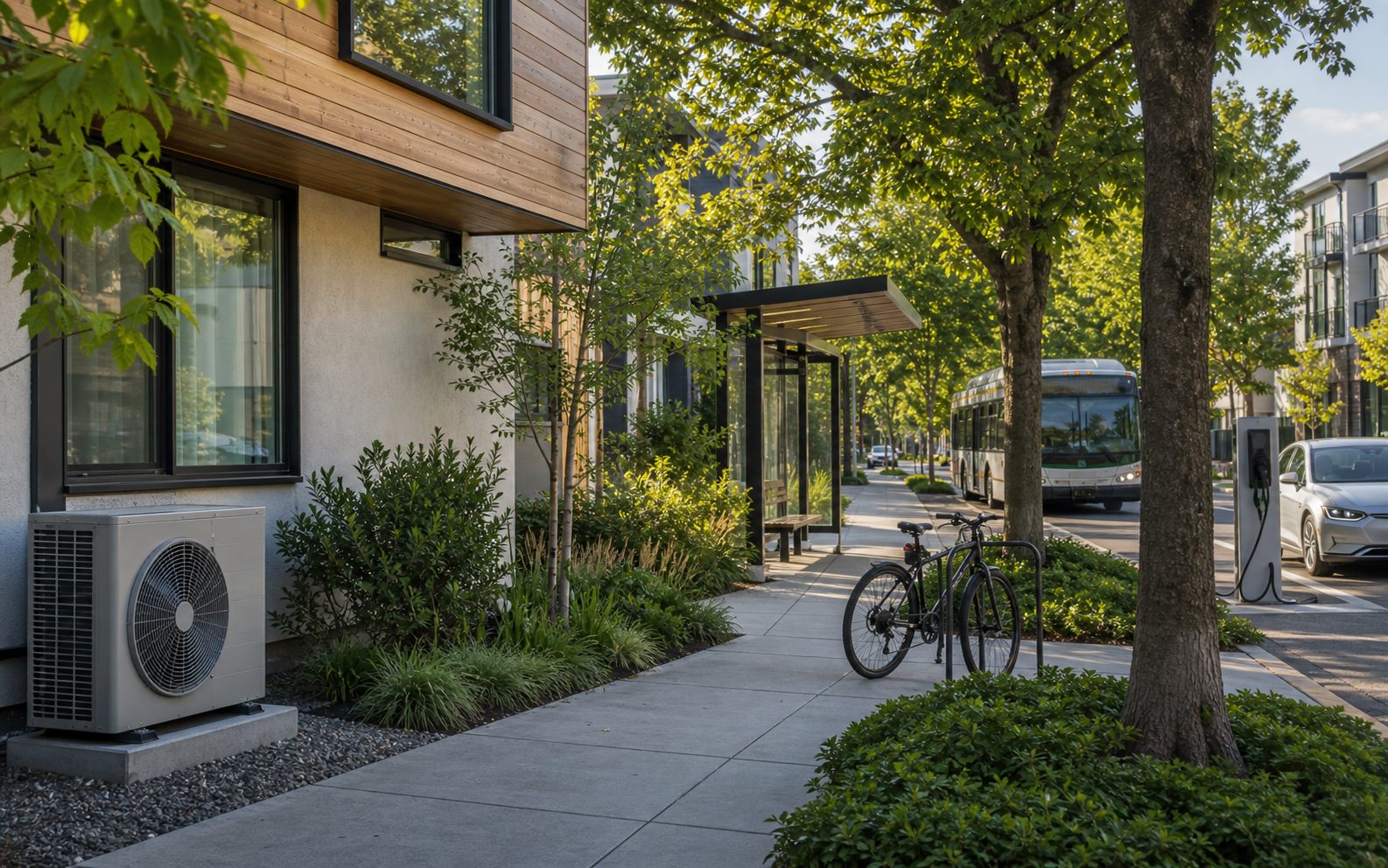
Efficiency reduces the amount of energy the system must supply. Better buildings, insulation, heat pumps, efficient appliances, motors, lighting, controls, and industrial process improvements can reduce bills and emissions while improving comfort and performance.
Electrification is especially powerful when paired with cleaner electricity, but it should be applied thoughtfully. Homes, businesses, vehicles, and industrial equipment all have different constraints, costs, and replacement cycles.
 Fuels
FuelsAlternative fuels fit some hard-to-electrify uses
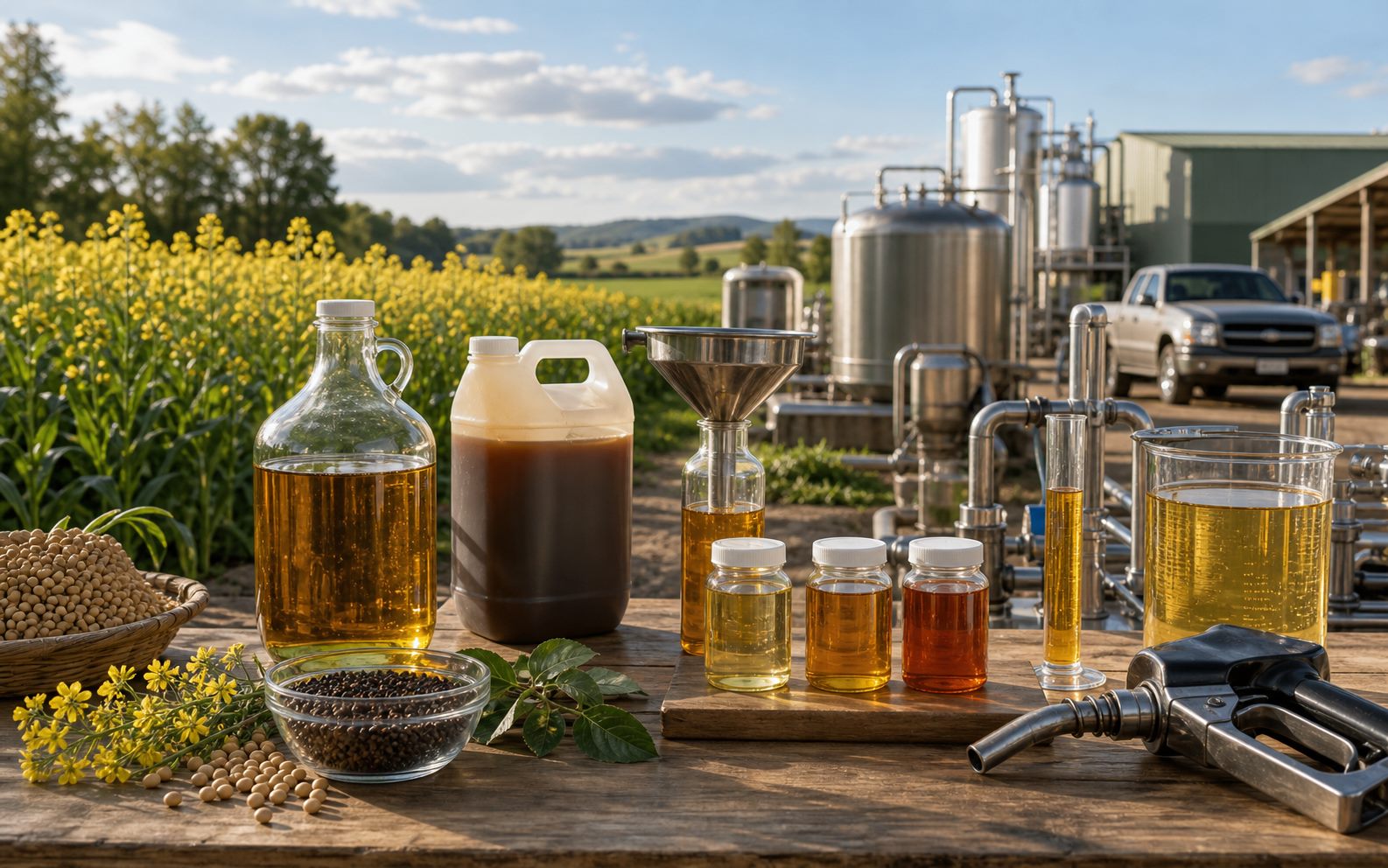
Biodiesel, renewable diesel, hydrogen, e-fuels, and other alternatives can be useful where direct electrification is difficult, such as some heavy-duty, agricultural, marine, aviation, industrial, backup, or remote uses. They should be evaluated by lifecycle emissions, feedstocks, cost, scalability, and competing uses.
A fuel can be renewable without being automatically sustainable. Feedstock sourcing, land use, water, biodiversity, fertilizer, processing energy, and supply-chain transparency matter. The strongest use cases reserve scarce fuels for places where they solve real constraints.
 Nature
Ecosystems can reduce risk and store carbon
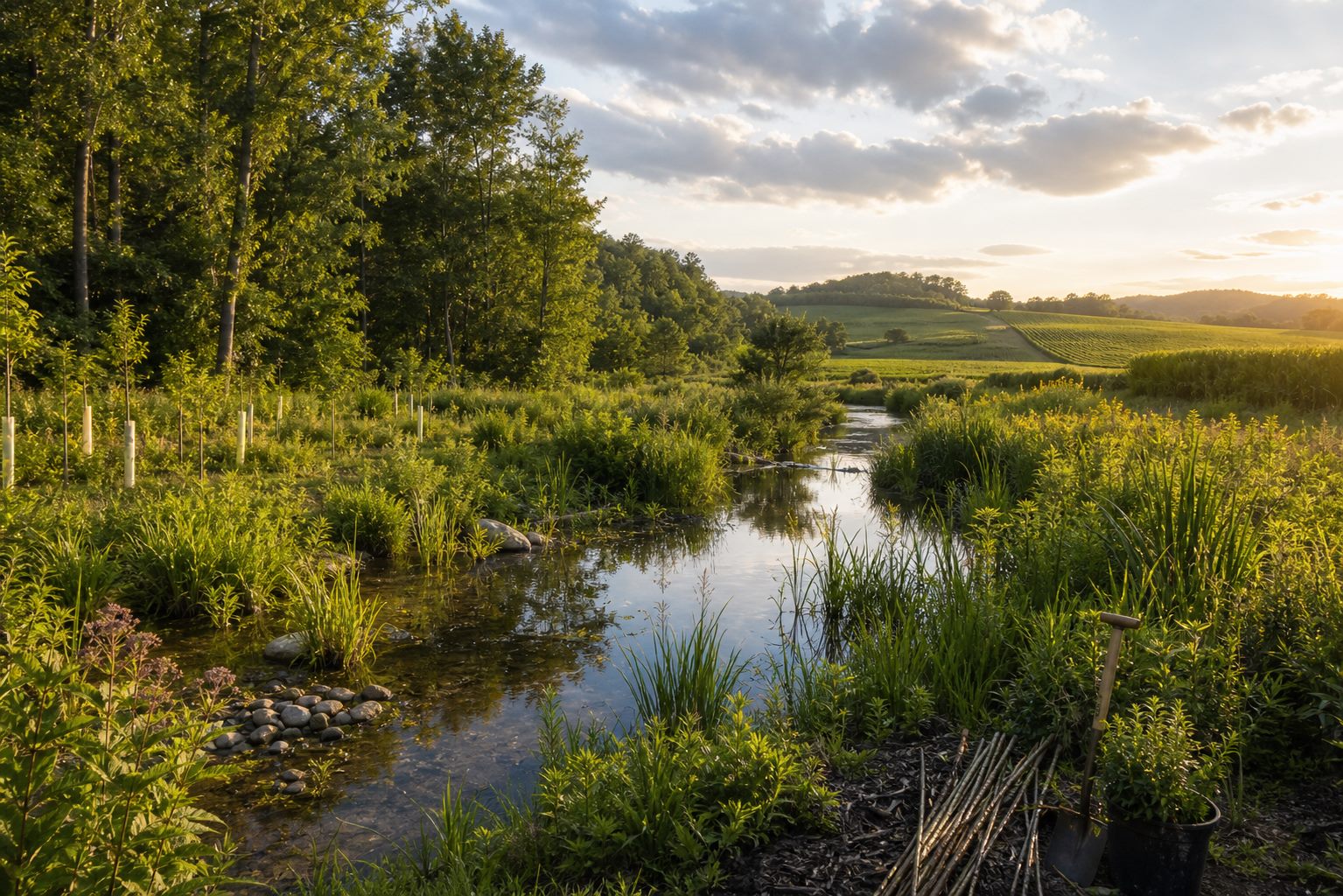
Forests, wetlands, soils, grasslands, farms, rivers, and coastlines can support carbon storage, flood protection, cooling, biodiversity, water quality, and local resilience. Nature-based solutions are most credible when they protect existing ecosystems, restore degraded systems, and include long-term stewardship.
Nature-based work is not a substitute for reducing fossil fuel emissions. It is a complementary pathway that can protect communities and ecosystems while supporting climate goals. Poorly planned projects can create tradeoffs, so ecological fit matters.
 Action
Durable solutions combine personal and systems change
Individual choices matter most when they connect to durable systems: better buildings, cleaner electricity, local transportation options, credible organizations, public policy, resilient infrastructure, and community planning. The goal is not perfection; it is repeated progress that changes defaults and reduces harm.
The best climate action asks what lever is available, what evidence supports it, who benefits, what tradeoffs exist, and how success will be measured. That mindset applies to household decisions, business planning, donations, public projects, and advocacy.
ACC takeaway
Use this overview to choose a deeper guide.
This page is a map of the larger subject. Use it to understand the big picture, then follow the linked topic pages for more detailed explanations, references, and practical context.
References & further reading
Review the underlying material.
- IPCC AR6 Working Group III: MitigationAssessment of emissions-reduction pathways and mitigation options.
- IEA: RenewablesInternational energy analysis on renewable technologies and deployment.
- DOE Alternative Fuels Data Center: Biodiesel BasicsTechnical overview of biodiesel feedstocks, blends, and use.
- EPA Climate Change ImpactsClimate impacts, adaptation, and sector-specific risk background.