ACC News Brief
Clean Energy United States
Solar and batteries lead a planned record year for new U.S. power capacity
What happened
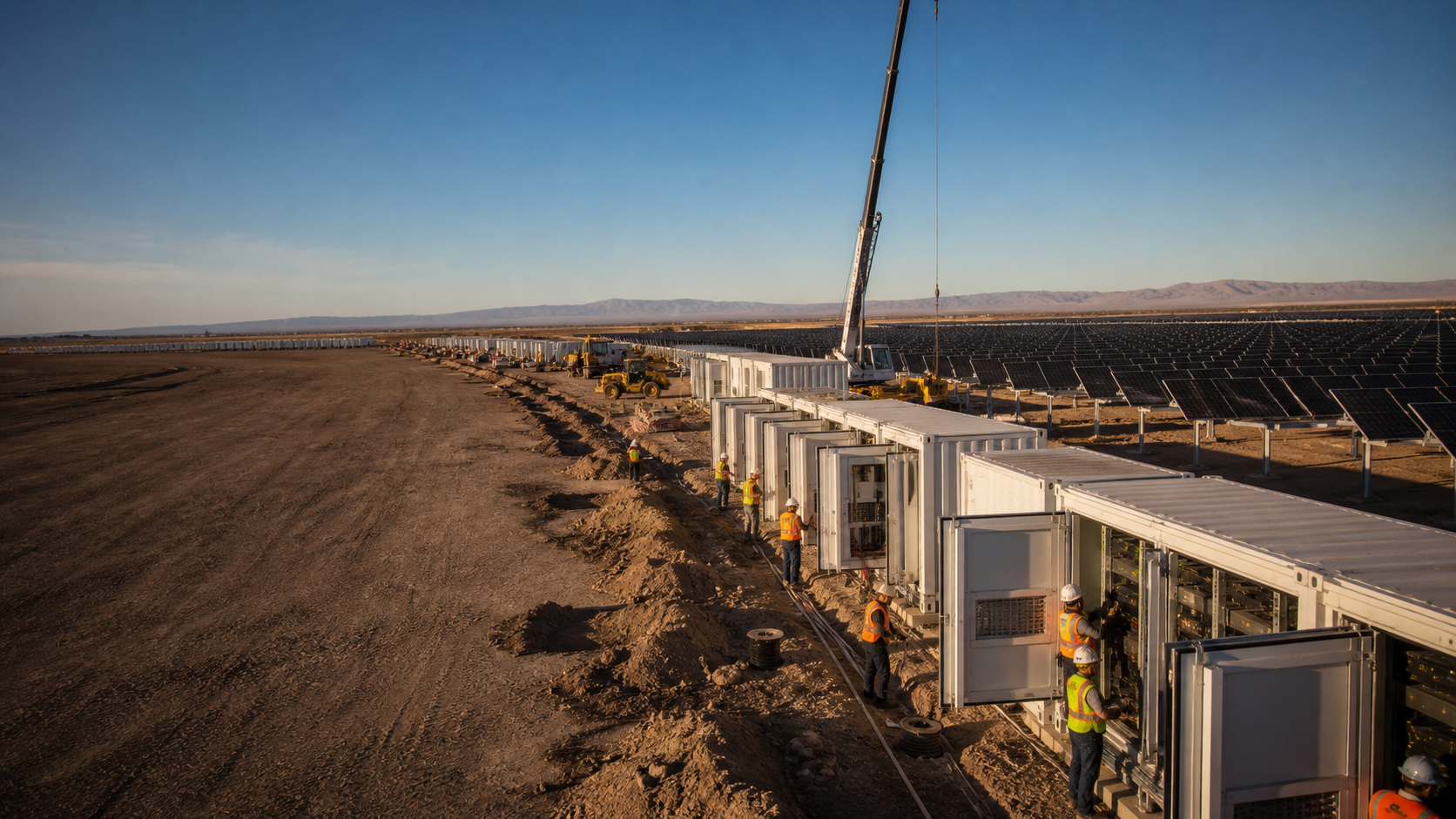
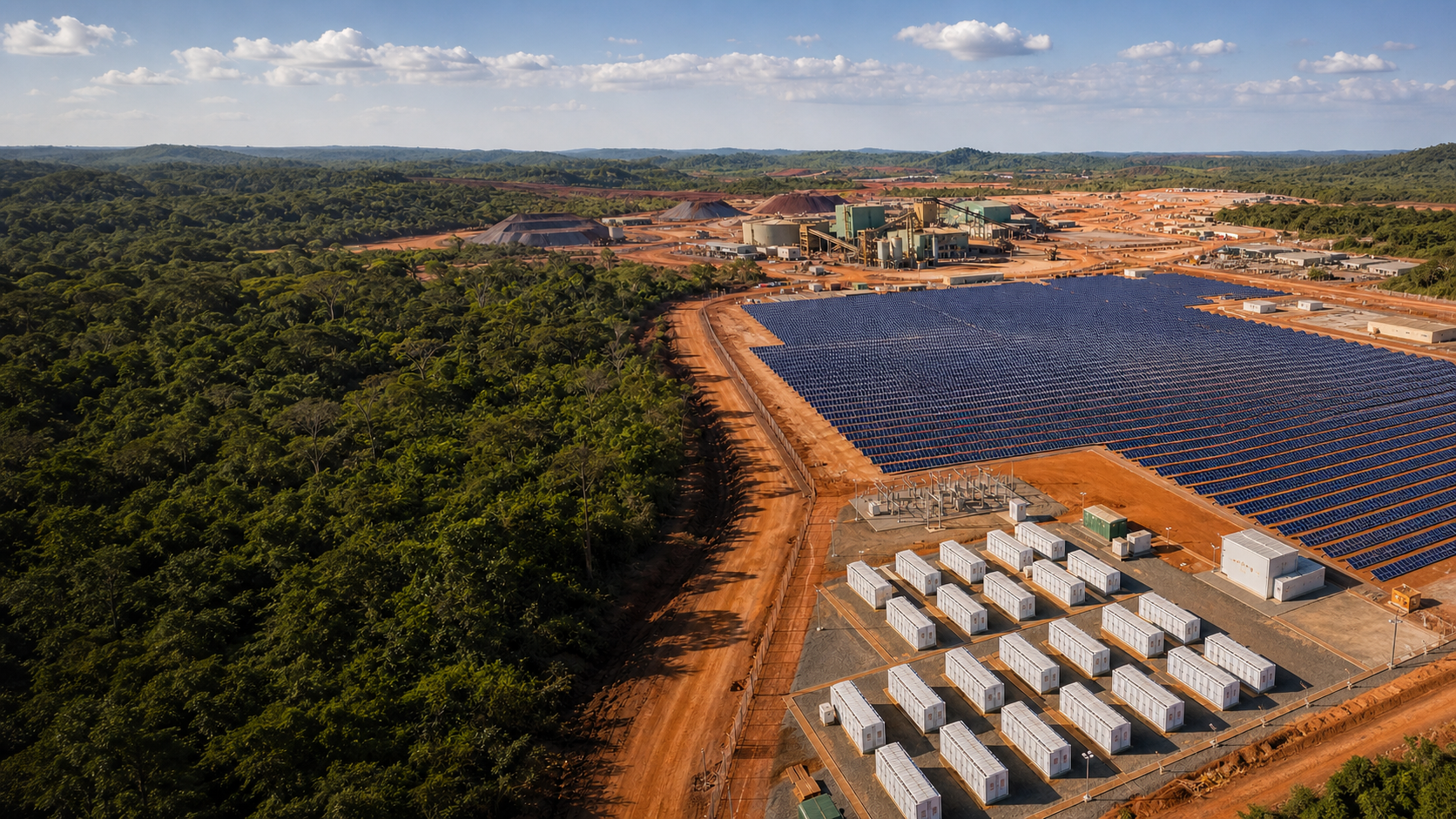
The U.S. Energy Information Administration says developers and power-plant operators planned to add 86 gigawatts of utility-scale generating capacity in 2026, which would be a U.S. annual record if every project is completed. Solar accounts for 43.4 gigawatts of the planned additions, batteries 24 gigawatts, wind 11.8 gigawatts, and natural gas 6.3 gigawatts.
Why it matters
The project pipeline shows solar and battery storage leading near-term U.S. power investment, but announced capacity is not the same as operating capacity or electricity generated. Interconnection, transmission, financing, equipment, permitting, and construction delays can all change the final total.
What to watch
- Monthly EIA inventory updates and how much of the planned 86 gigawatts reaches commercial operation during 2026.
- Interconnection queues, transmission construction, storage duration, project cancellations, and the generation actually delivered by completed plants.
Sources & evidence
- New U.S. electric generating capacity expected to reach a record high in 2026Official U.S. Energy Information Administration analysis published February 20, 2026, using the December 2025 Preliminary Monthly Electric Generator Inventory. The 86-gigawatt figure is developer- and operator-reported planned utility-scale capacity, classified here as COMMITTED / PLANNED; it is not verified operating capacity.
- Preliminary Monthly Electric Generator InventoryEIA's underlying monthly inventory reports existing and planned utility-scale generators. Planned completion dates and capacities can change as projects are delayed, revised, or cancelled.
Continue learning with ACC
Explore ACC's renewable energy and grid guide