ACC News Brief
Clean Energy Global
Historical growth patterns put wind and solar near 2 C pathways
What happened
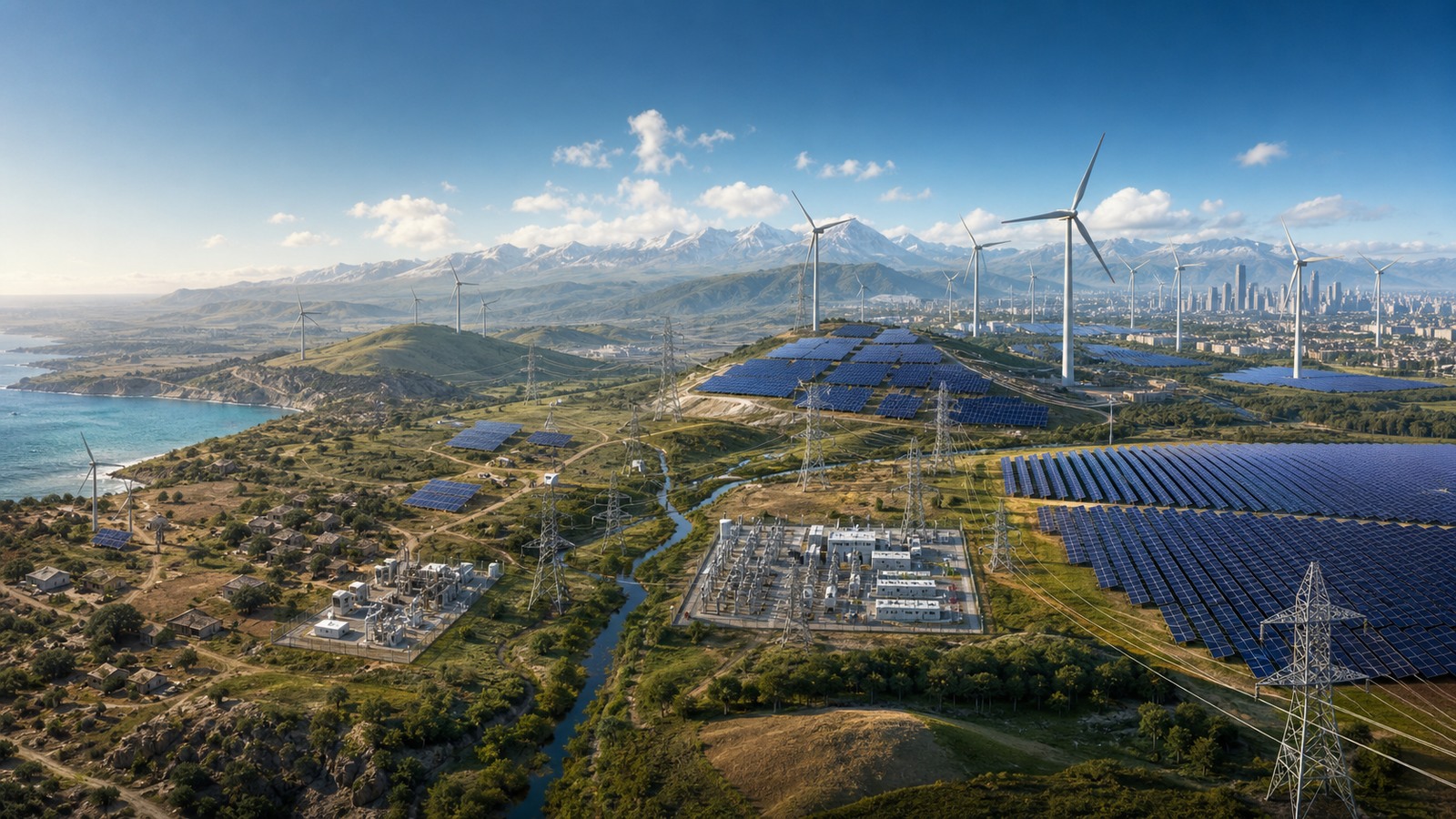
A peer-reviewed Nature Energy study built a probabilistic model from the deployment histories of early-adopting countries. Its central projections place global wind and solar growth near pathways associated with limiting warming to about 2 C and above current-policy scenarios. The more ambitious COP28 goal to triple renewable capacity by 2030 sits near the model's 95th percentile and would require major economies to accelerate wind growth roughly 1.4 to 3 times and solar growth 2 to 5 times.
Why it matters
The transition is not starting from zero: many countries have already demonstrated sustained clean-energy growth and occasional acceleration. The model also makes the opportunity concrete—continued progress is plausible, while the strongest near-term goal still requires faster policy, permitting, grids, finance, and construction.
What to watch
- Annual wind and solar additions through 2030, especially in major economies whose acceleration strongly affects the global result.
- How the authors' April 20 correction and future deployment data change the model's probability ranges.
Sources & evidence
- Probabilistic projections of global wind and solar power growth based on historical national experienceOpen-access, peer-reviewed Nature Energy article, DOI 10.1038/s41560-026-02021-w, published April 14, 2026 and followed by an author correction on April 20. PROLONG is a probabilistic projection model, not a promise that any pathway will occur.
Continue learning with ACC
Explore ACC's renewable energy and grid guide