ACC News Brief
Climate Policy Africa
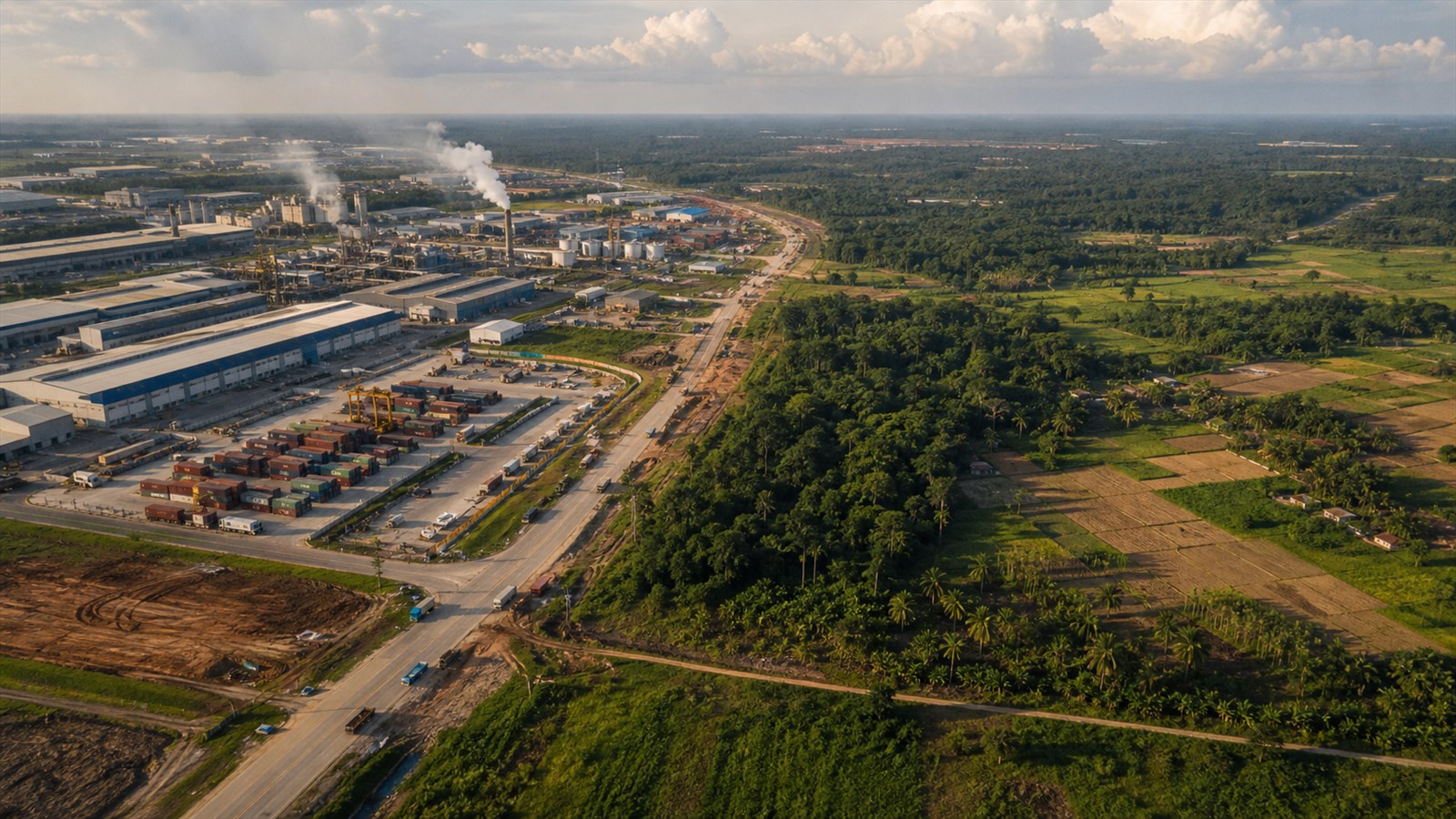
Multinational expansion in Africa was linked to forest loss and lower crop diversity
What happened
Researchers assembled a geospatial panel covering millions of multinational and domestic companies across Africa and compared environmental outcomes as business activity expanded. Their empirical analysis found multinational expansion produced larger adverse effects than domestic-firm expansion, including severe forest-cover loss, erosion of local crop diversity, and some increase in greenhouse-gas emissions. The study evaluates historical firm-location and environmental data; it does not show that every multinational has the same footprint.
Why it matters
Investment can bring jobs and technology while shifting environmental costs into places with fewer enforcement resources. Parent-country disclosure, supply-chain rules, land protections, and local accountability are needed to prevent that tradeoff from becoming routine.
What to watch
- Whether home and host countries require site-level environmental disclosure, deforestation safeguards, enforcement, and remedies that apply across corporate affiliates.
- Independent replication with transparent firm and environmental data, plus evidence on which sectors, ownership structures, and policies reduce or worsen impacts.
Sources & evidence
- The environmental impact of multinational firms in AfricaPeer-reviewed Nature Climate Change study published May 12, 2026, DOI 10.1038/s41558-026-02637-6. The analysis uses a large geospatial firm panel and reports average effects, not a finding about every company or country.
Continue learning with ACC
Explore ACC's ecosystems guide