ACC News Brief
Extreme Weather Europe
Europe's worst flood losses often arrived with other hazards
What happened
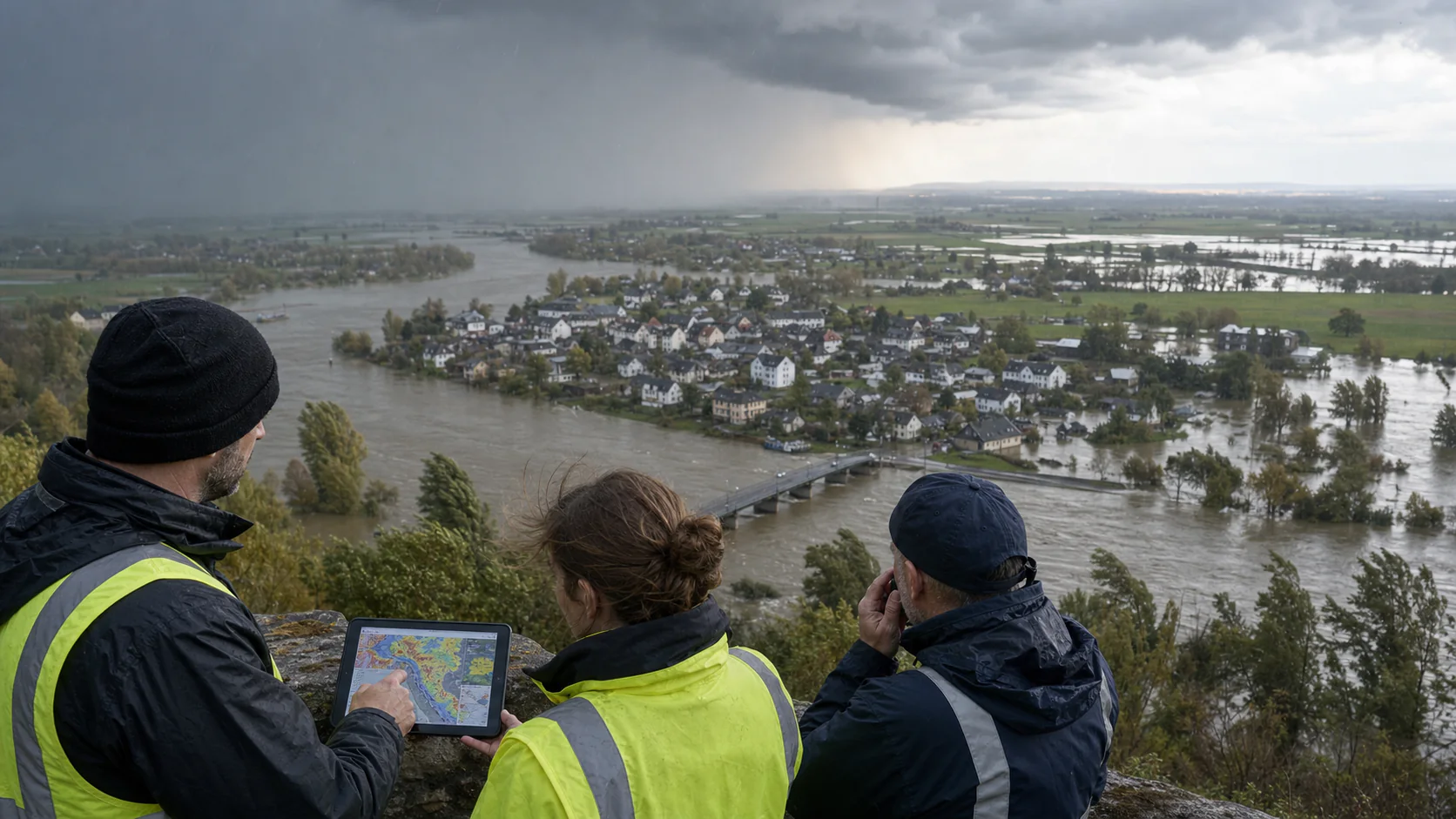
A peer-reviewed analysis combined subnational European flood-loss records from 1981 to 2020 with heat, wind, precipitation, and river-discharge data. More than 70% of recorded floods involved compounding hazards, every event in the top 1% by economic loss was compound, and their aggregate losses exceeded those of single-hazard floods by more than 167 billion euros. The paper used machine learning and causal-forest methods, but uneven historical records limit precision and it does not attribute every event or loss to human-caused warming.
Why it matters
Communities, insurers, and emergency planners can underestimate danger when they prepare for flooding, heat, wind, and infrastructure strain in separate boxes. The most damaging events may be defined by how those stresses overlap.
What to watch
- Whether flood maps, building standards, insurance models, and emergency plans begin testing multi-hazard sequences rather than one hazard at a time.
- Better harmonized loss records and local validation, especially where reporting quality, exposure, and vulnerability changed across the four-decade study period.
- Event-specific attribution studies that separate the roles of climate change, land use, river management, development, and social vulnerability.
Sources & evidence
- Compounding hazards increase flood economic losses across EuropePeer-reviewed Nature Communications research article, DOI 10.1038/s41467-026-73248-0, published May 19, 2026. The European Commission Joint Research Centre and partner institutions analyzed a 1981-2020 pan-European multi-hazard dataset; the publisher identifies the page as an unedited early manuscript.
Continue learning with ACC
Explore ACC's climate resilience guide