ACC News Brief
Energy Policy Global Shipping
Shipping policy can shift pollution upstream unless it counts whole fuel lifecycles
What happened
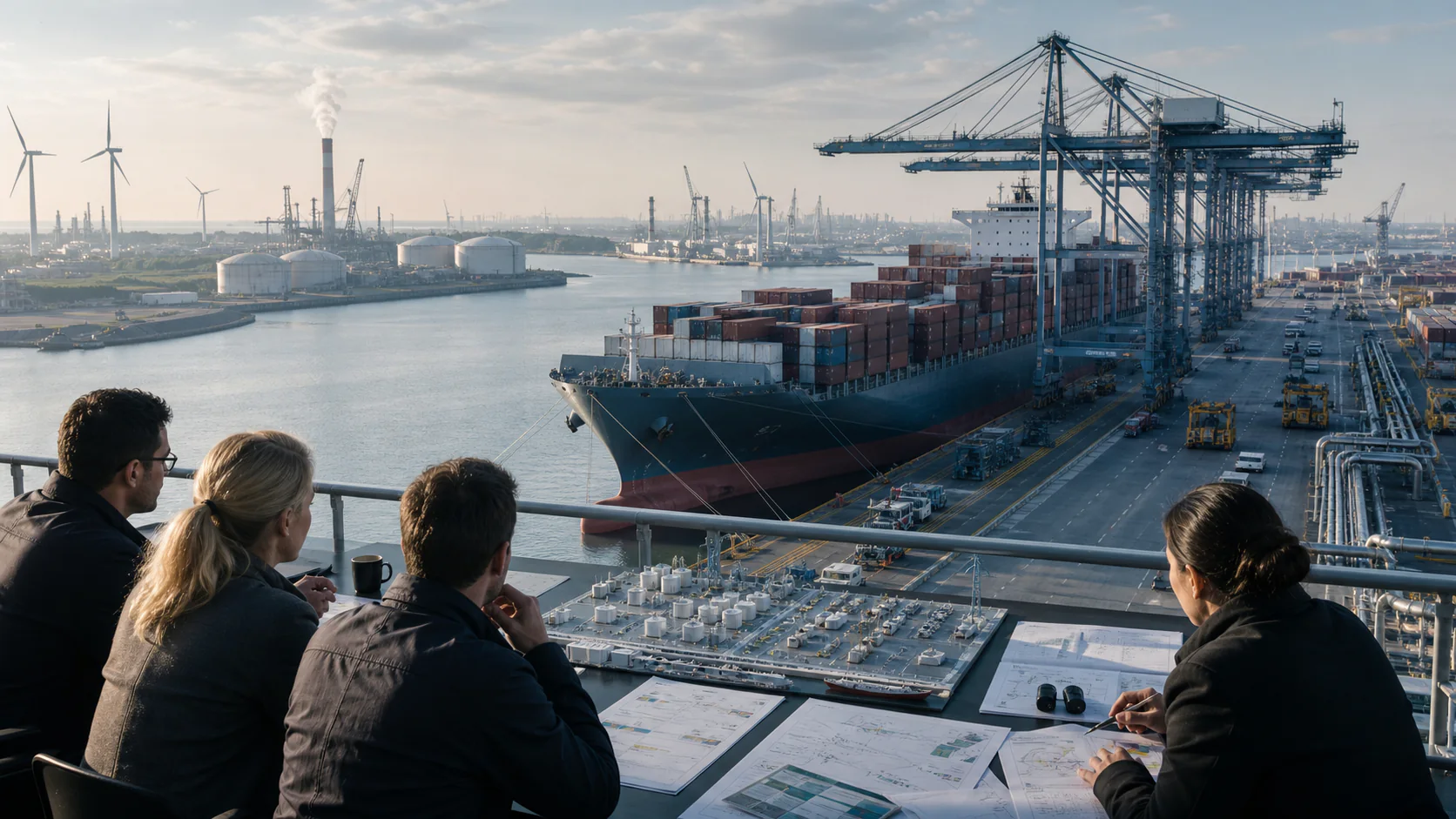
A peer-reviewed sector-coupled model evaluated six global shipping-policy designs across ten regions and eight ship segments, then applied life-cycle impact accounting. It found that a levy plus fuel-intensity standard accelerated modeled low-carbon fuel adoption, while exhaust-only pricing could favor grey ammonia and shift methane, land, mineral, and pollution burdens upstream. The results are long-term cost-optimization scenarios under SSP2?not a forecast or proof that an ammonia network is operating.
Why it matters
Counting only ship exhaust can make a fuel look cleaner while its production worsens climate or ecosystem impacts. Policy has to follow emissions and resource use from fuel production through onboard use.
What to watch
- How the International Maritime Organization treats fuel lifecycles, methane leakage, nitrous oxide, nitrogen oxides, biomass, carbon capture, and the renewable electricity used to make marine fuels.
- Fleet turnover, port infrastructure, fuel safety, retrofit options, efficiency measures, and evidence from operating projects rather than modeled adoption alone.
Sources & evidence
- Marine fuel choices and related life-cycle environmental impacts under global shipping policiesPeer-reviewed sector-coupled modeling study, Nature Energy, DOI 10.1038/s41560-026-02079-6, published May 29, 2026. The analysis uses SSP2 and ten-year time steps and does not model every technology, retrofit, or fleet-age constraint.
- Global shipping climate policy needs to address life-cycle emissionsNature Energy policy brief published May 29, 2026, explaining why shipping rules need full fuel-lifecycle accounting.
Continue learning with ACC
Explore ACC's alternative fuels guide