ACC News Brief
Clean Energy China
Renewable planning scale changes which habitats face pressure

What happened
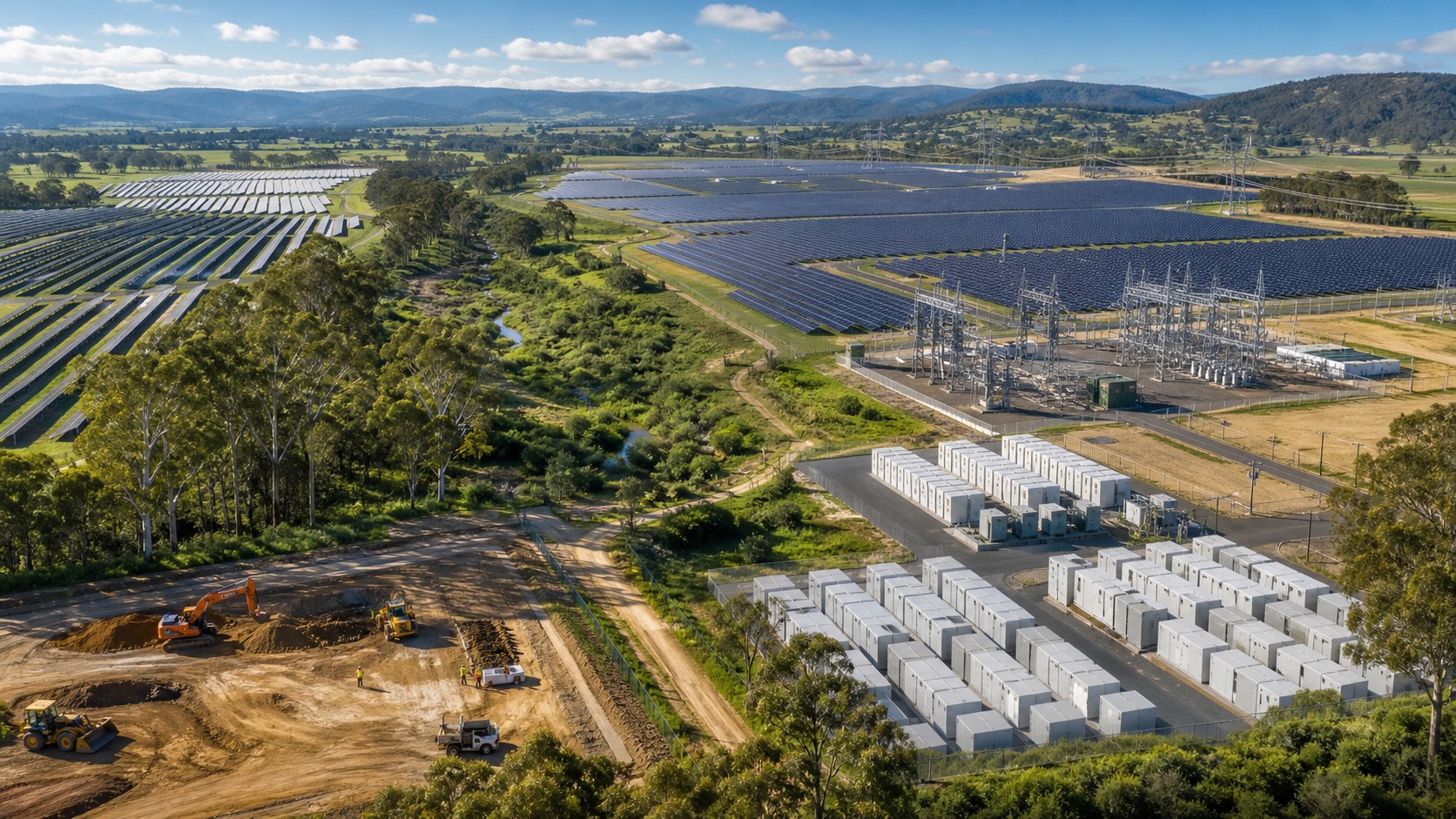
Researchers modeled Chinese wind and solar expansion through 2060 under national and provincial planning scenarios. National siting produced 4 to 7 percent less conflict with species-richness priorities and overlapped 11 to 33 percent fewer species on average, but it created greater modeled conflicts with functional diversity and open or dry biomes. The results are planning scenarios, not observed project impacts, and neither governance scale protected every biodiversity measure.
Why it matters
Rapid clean-energy deployment is essential, but siting choices determine whether it avoids preventable habitat loss and community opposition. Integrated national and local planning can combine strengths that either scale misses alone.
What to watch
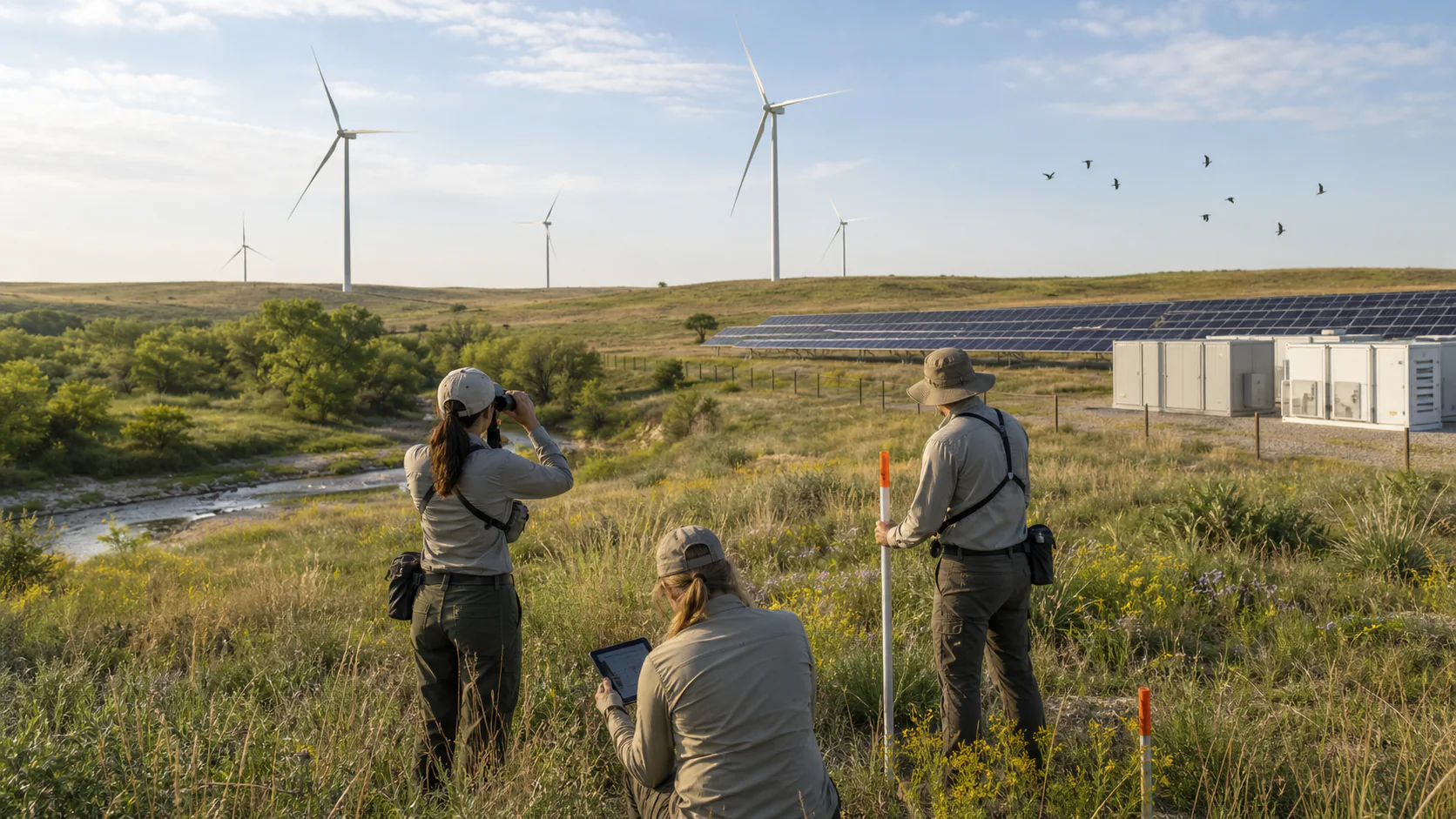
- Whether planners include functional diversity, migration corridors, cumulative impacts, field surveys, and small-ranged species rather than relying on species counts alone.
- Transparent local participation, land rights, and project-level monitoring as national targets move into construction decisions.
Sources & evidence
- Comparing potential biodiversity conflicts from renewable energy expansion in China at different centralization levelsPeer-reviewed spatial scenario study, Nature Ecology & Evolution, DOI 10.1038/s41559-026-03098-y, published June 2, 2026.
- Study data and analysis codeFigshare research record cited by the paper for the data and code necessary to reproduce the analysis.
Continue learning with ACC
Explore ACC's renewable energy and grid guide