ACC News Brief
Public Health Global
Hourly heat extremes could multiply exposure, especially in lower-income countries

What happened
A Nature Climate Change study projects that, under a high-emissions scenario, the frequency of hourly heat extremes could quadruple by late century while population exposure increases about sixfold. The study estimates that lower- and middle-income countries would account for more than 75% of exposure.
Why it matters
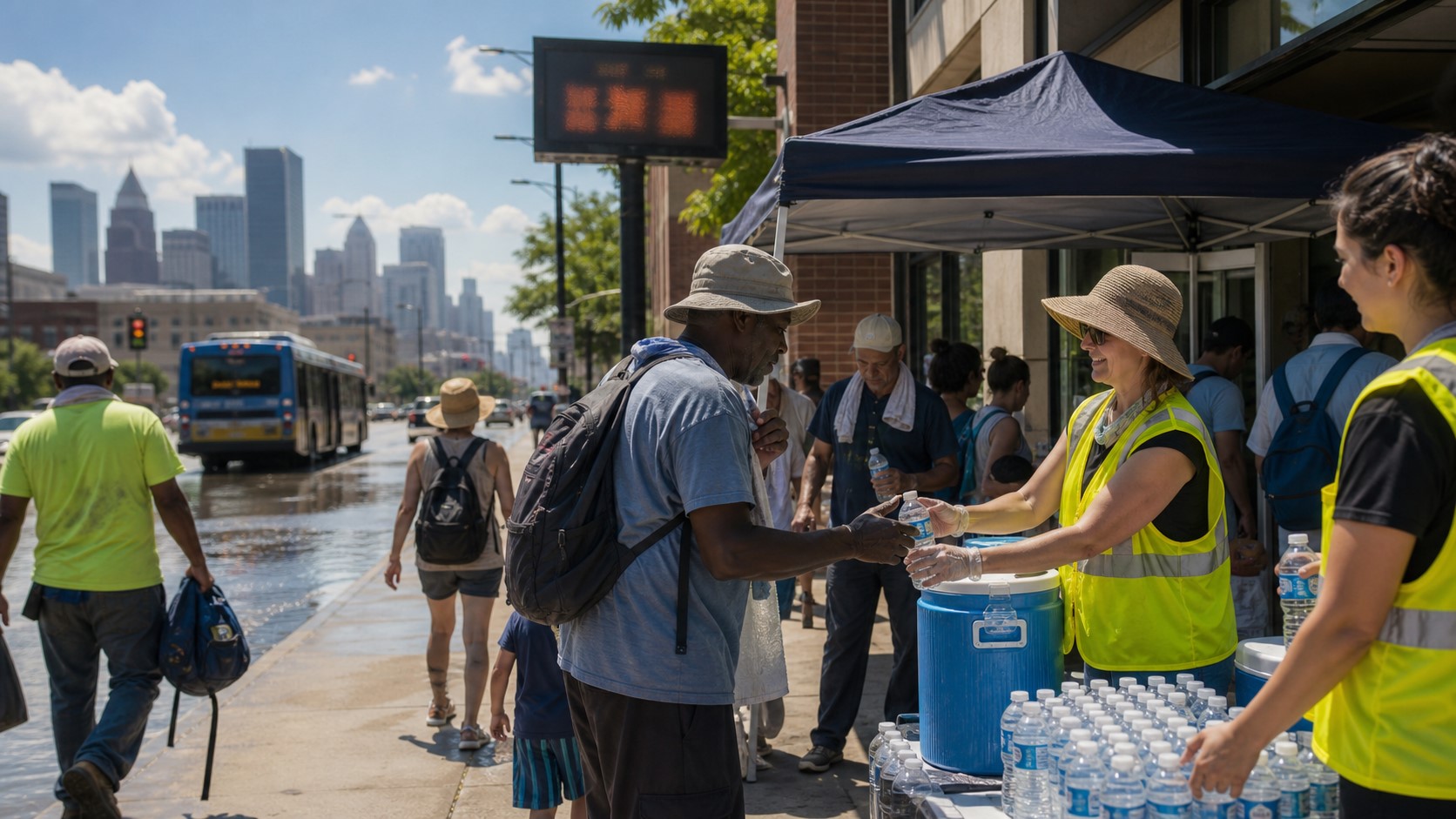
Daily maximum temperature can hide how long dangerous heat lasts and when it occurs, which matters for work, sleep, health, and electricity demand. These are scenario-based model results, not a precise forecast for any city or year.
What to watch
- How results change under lower-emissions pathways and different population assumptions.
- Whether heat plans use hourly duration and overnight recovery, not only daily maximum temperature.
- Access to cooling, shade, labor protections, health care, and reliable electricity in the most exposed regions.
Sources & evidence
- Global increases in hourly heat extremes and population exposurePeer-reviewed Nature Climate Change study published August 10, 2026, modeling hourly heat extremes and population exposure across emissions scenarios.
Continue learning with ACC
Explore ACC's climate resilience guide