ACC News Brief
Conservation Western Australia
Roebuck Bay mangroves are expanding west as sediment builds new habitat
What happened
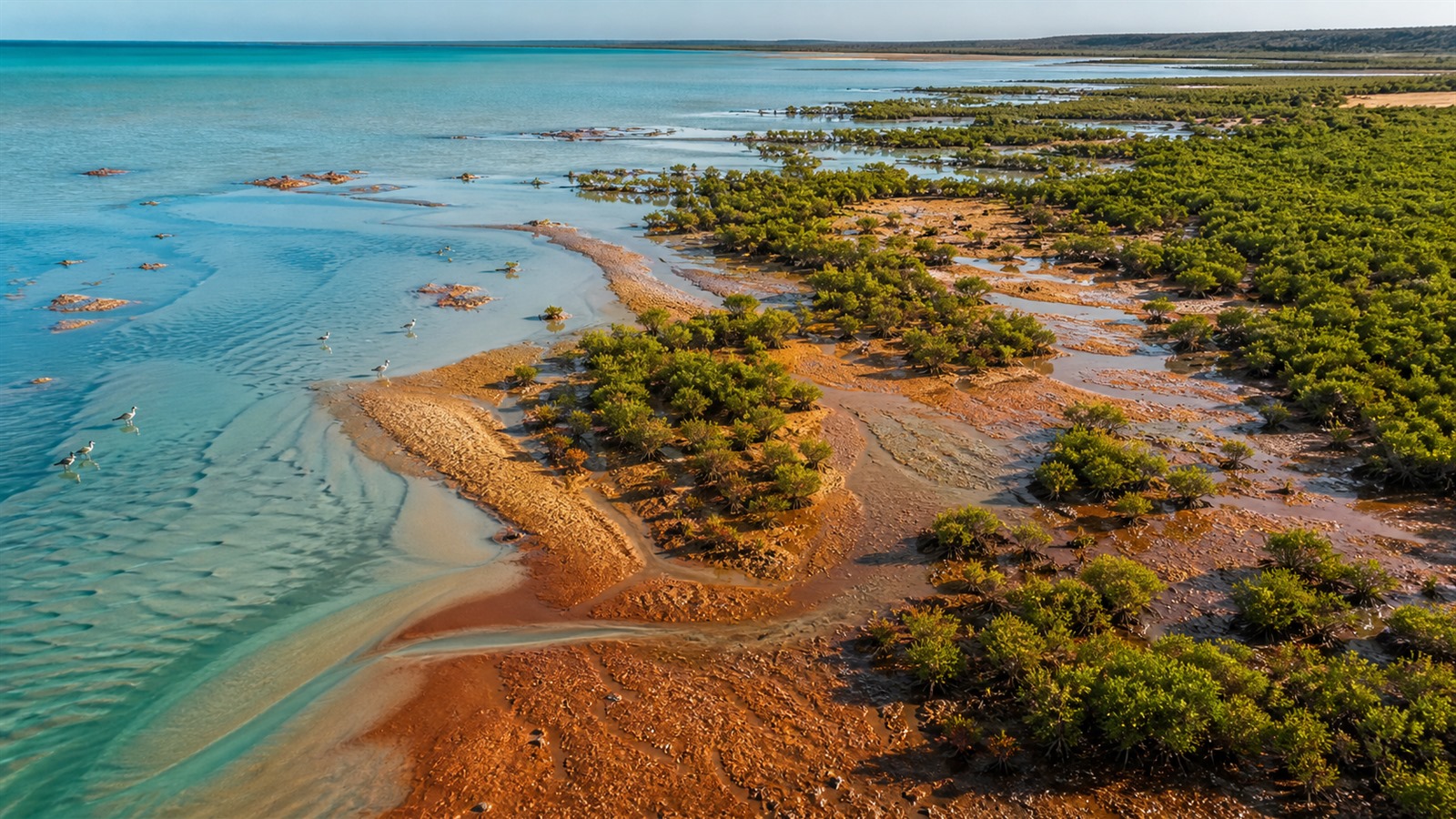
NASA Earth Observatory reports that satellite observations show mangroves along Roebuck Bay expanding westward by nearly two meters per year as fine sediment accumulates. The bay's tidal range can reach about nine meters, repeatedly exposing broad mudflats that support productive habitat.
Why it matters
Mangroves store carbon, shelter coastlines, and support fish, birds, and other wildlife. This observation documents one changing landscape; it is not evidence that mangroves everywhere are expanding, nor does the report assign the local change to climate alone.
What to watch
- Whether the expansion continues as sediment supply, tides, sea level, storms, and coastal development change.
- How new mangrove areas affect mudflat habitat used by migratory shorebirds and other species.
- Whether field surveys confirm the satellite-observed pace and ecological condition of the new habitat.
Sources & evidence
- Bountiful Roebuck BayNASA Earth Observatory feature published August 11, 2026, using Landsat observations and coastal research to describe the bay's mangrove expansion.
Continue learning with ACC
Explore ACC's ecosystems and biodiversity guide