ACC News Brief
Clean Energy North America
Drought is squeezing hydropower in the U.S. West and Quebec
What happened
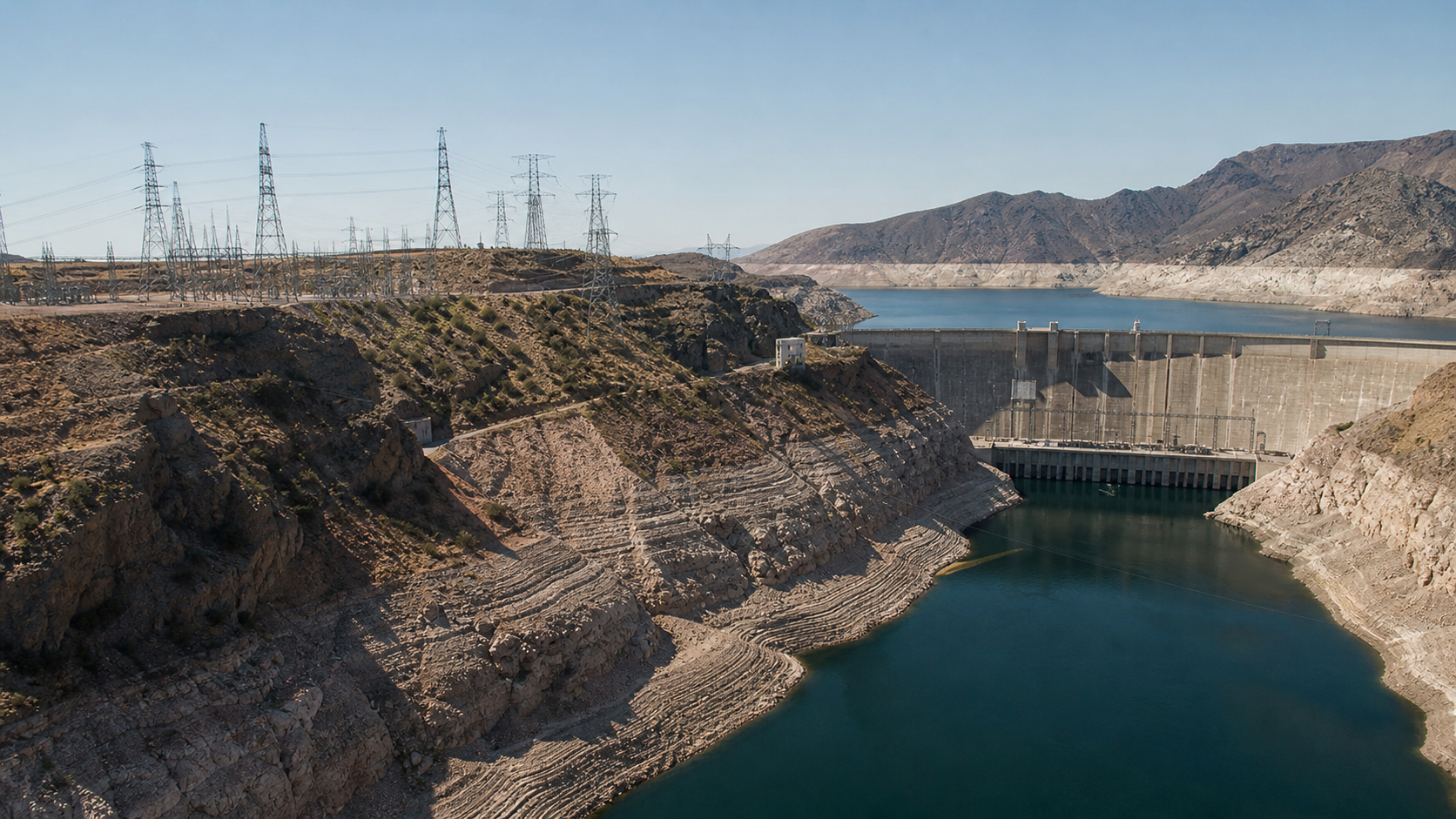
Canary Media reported that record-low water at Lakes Mead and Powell is reducing hydropower output and creating a slim but real risk that generation could stop at major Colorado River dams if reservoir levels fall far enough. Drought is also cutting output in Quebec, where new transmission links have delivered less electricity than expected.
Why it matters
Hydropower can provide flexible low-carbon electricity, but its performance depends on water conditions that are also shaped by withdrawals, reservoir rules, precipitation, snowpack, evaporation, and warming. Planning for a changing climate requires balancing electricity, river ecosystems, agriculture, and municipal water needs.
What to watch
- Bureau of Reclamation reservoir projections and power-pool elevation risks at Hoover and Glen Canyon dams.
- How utilities replace drought-reduced generation without locking in higher long-term emissions.
- Water-sharing negotiations, conservation, ecosystem protections, and transmission delivery from Quebec.
Sources & evidence
- Canary Media analysis of drought and hydropowerAnalysis published August 21, 2026, covering the Colorado River system and Quebec hydropower.
Continue learning with ACC
Explore ACC's renewable energy and grid guide