ACC News Brief
Clean Energy India
Minister-reported installed-capacity figures - not generation, completion quality, or emissions outcomes
India reports more than 300 GW of non-fossil power capacity
What happened
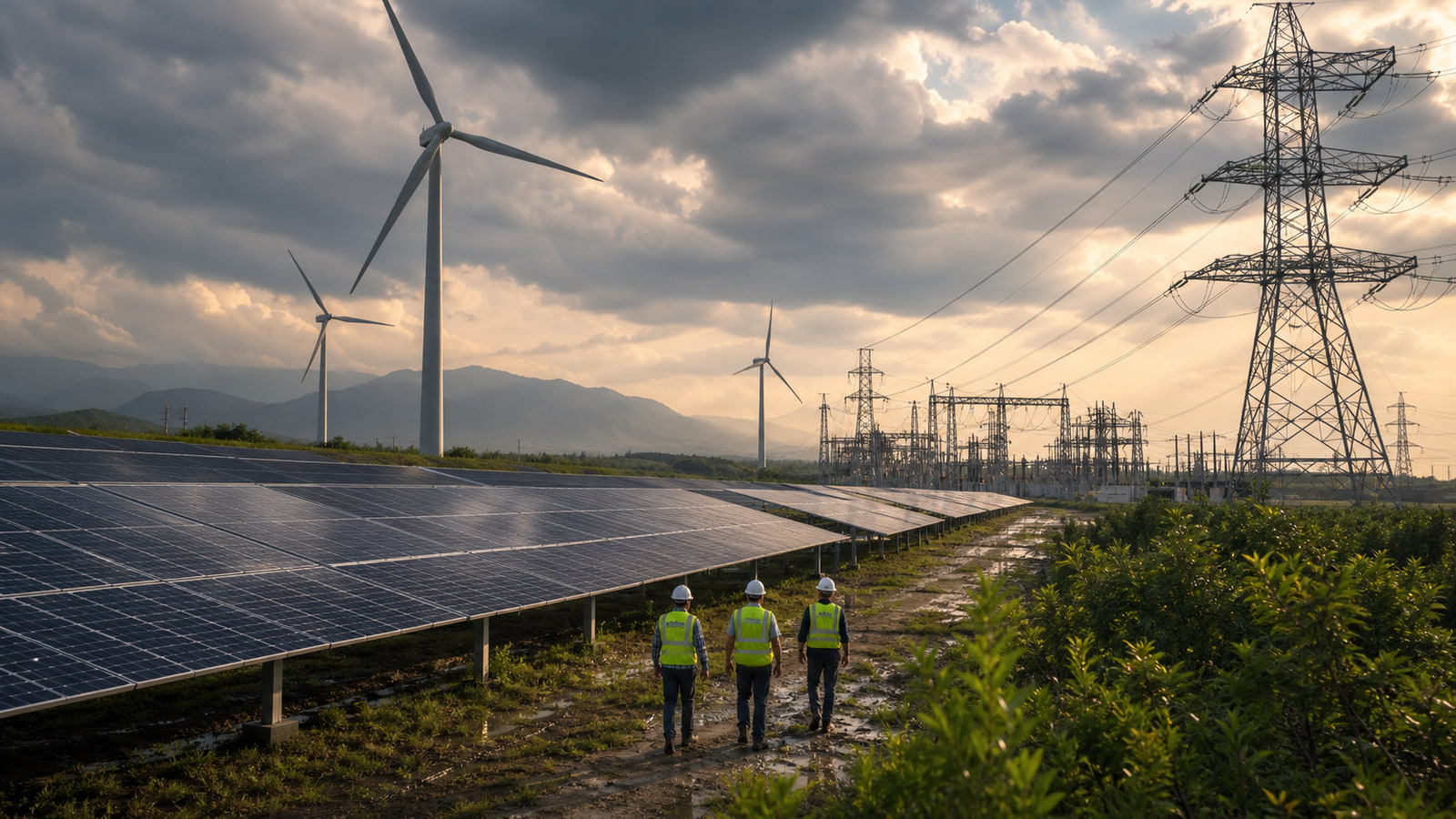
India's renewable-energy ministry said the country had reached roughly 302 to 303 gigawatts of installed non-fossil electricity capacity. The minister reported about 165 gigawatts of solar and 58 gigawatts of wind, and said more than 17 gigawatts of renewable capacity was added during the first four months of fiscal year 2026-27, including 14.33 gigawatts of solar and more than 2 gigawatts of wind.
ACC context
India's non-fossil category is broader than wind and solar, and nameplate capacity is not the same as electricity generated. ACC presents the official milestone while keeping grid integration, project delivery, fossil output, and the 2030 target as separate questions.
Why it matters
India's electricity demand and development needs make the scale and speed of its power transition globally significant. Capacity additions can reduce future fossil generation when paired with transmission, storage, flexible demand, reliable operations, and the retirement or reduced use of high-emitting plants.
What to watch
- Monthly official capacity data and any revisions to the minister-reported totals.
- Transmission buildout, storage, grid reliability, project completion, and renewable curtailment.
- Actual generation shares and coal use, which installed capacity alone does not determine.
Sources & evidence
- India's renewable energy growth and investment requirementsPress Information Bureau release dated August 27, 2026, reporting remarks by India's Minister of New and Renewable Energy.
Continue learning with ACC
Learn why clean-power capacity must be paired with grids, storage, and measured generation