ACC News Brief
Climate Solutions China
Electrochemical carbon-capture system held up through 2,000 hours of air testing
What happened
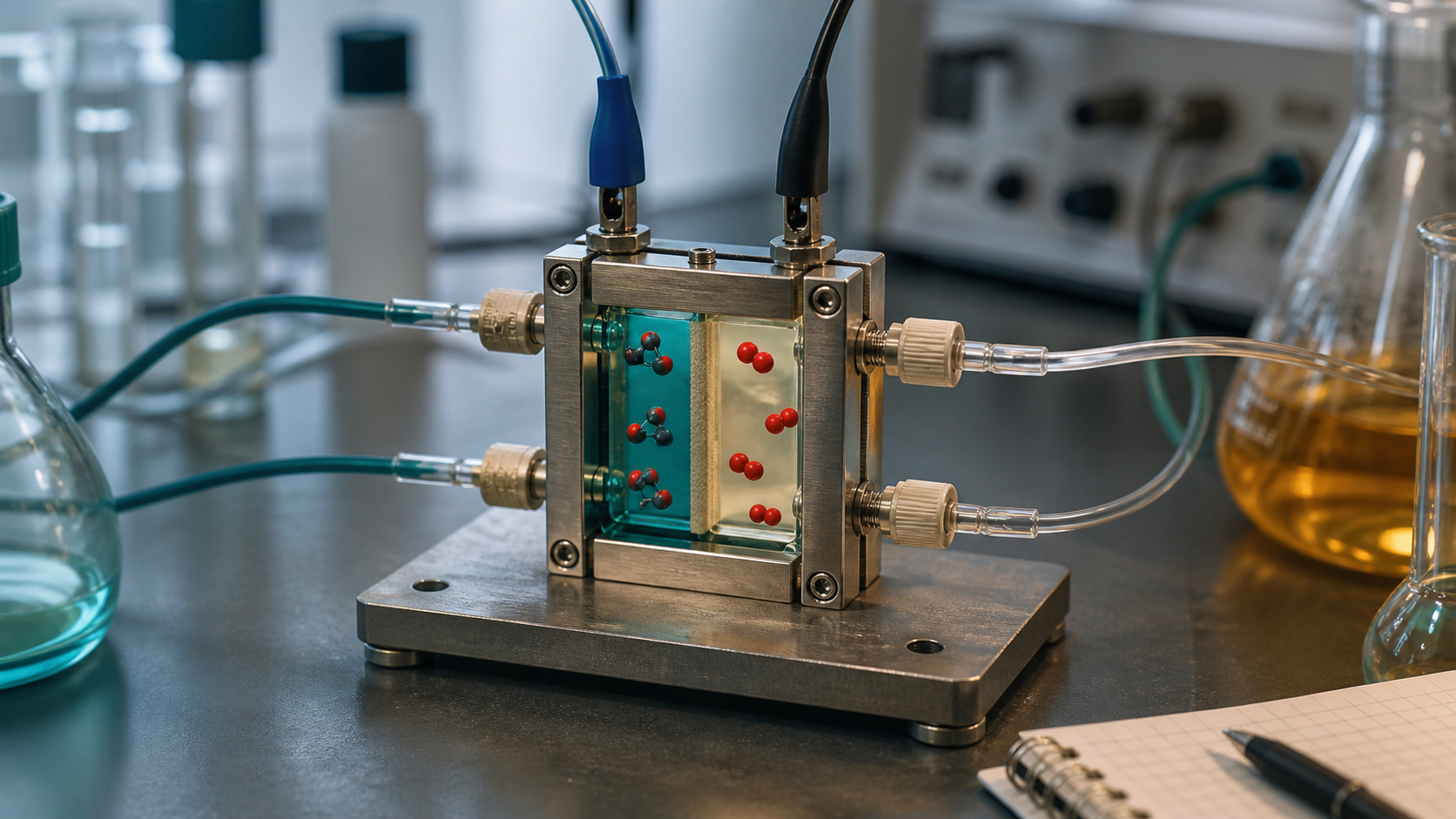
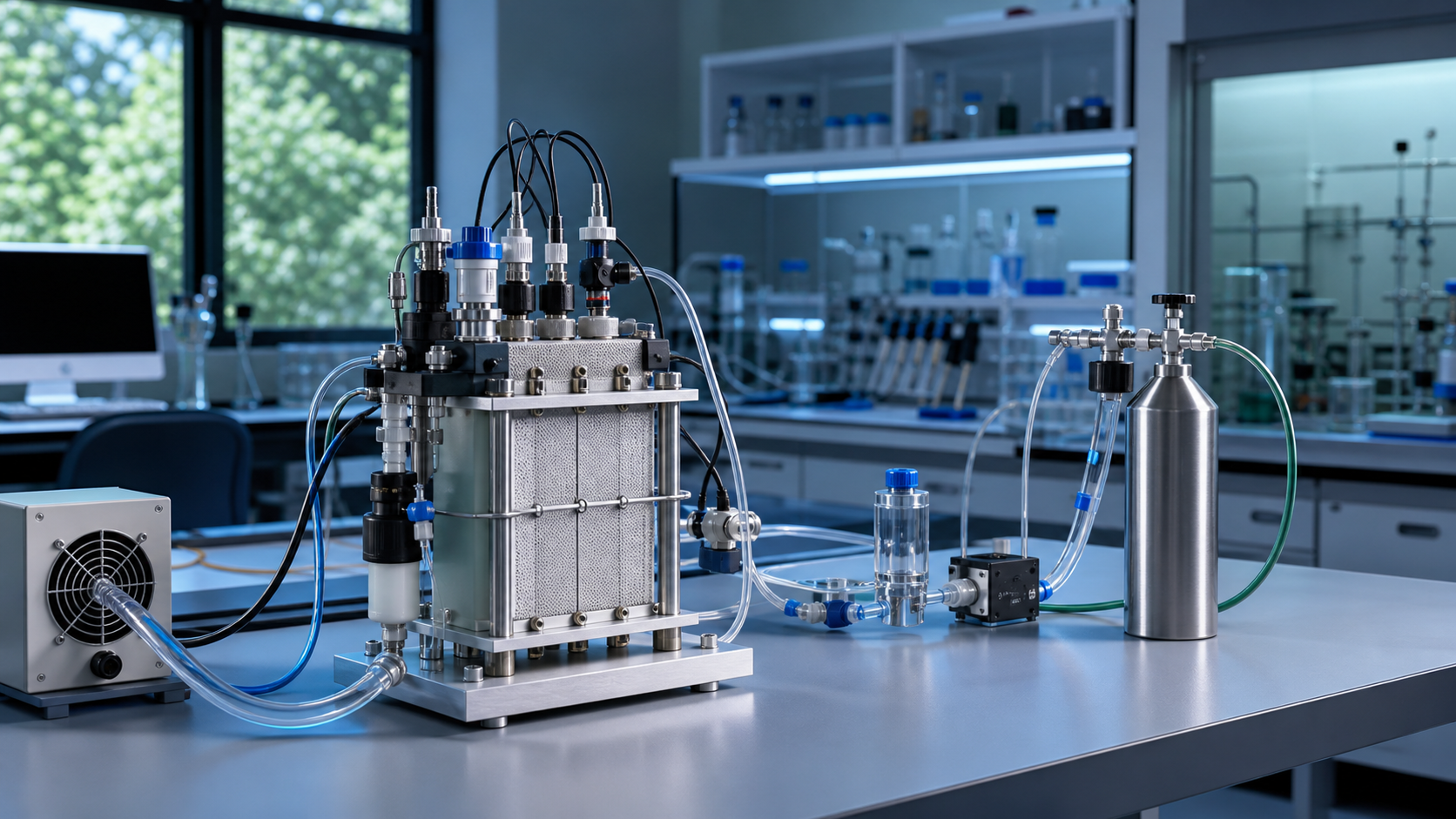
A peer-reviewed Nature Communications study describes a porous-solid-electrolyte carbon-capture system that released a carbon-dioxide stream above 99 percent purity. In a laboratory direct-air-capture test, the system ran for more than 2,000 hours at 30 milliamperes per square centimeter while maintaining greater than 93 percent carbon-removal efficiency. A separate 100-square-centimeter flue-gas test at 10 amperes reported a capture rate of 3,060 milliliters per hour and about 85 percent sodium-ion Faradaic efficiency.
Why it matters
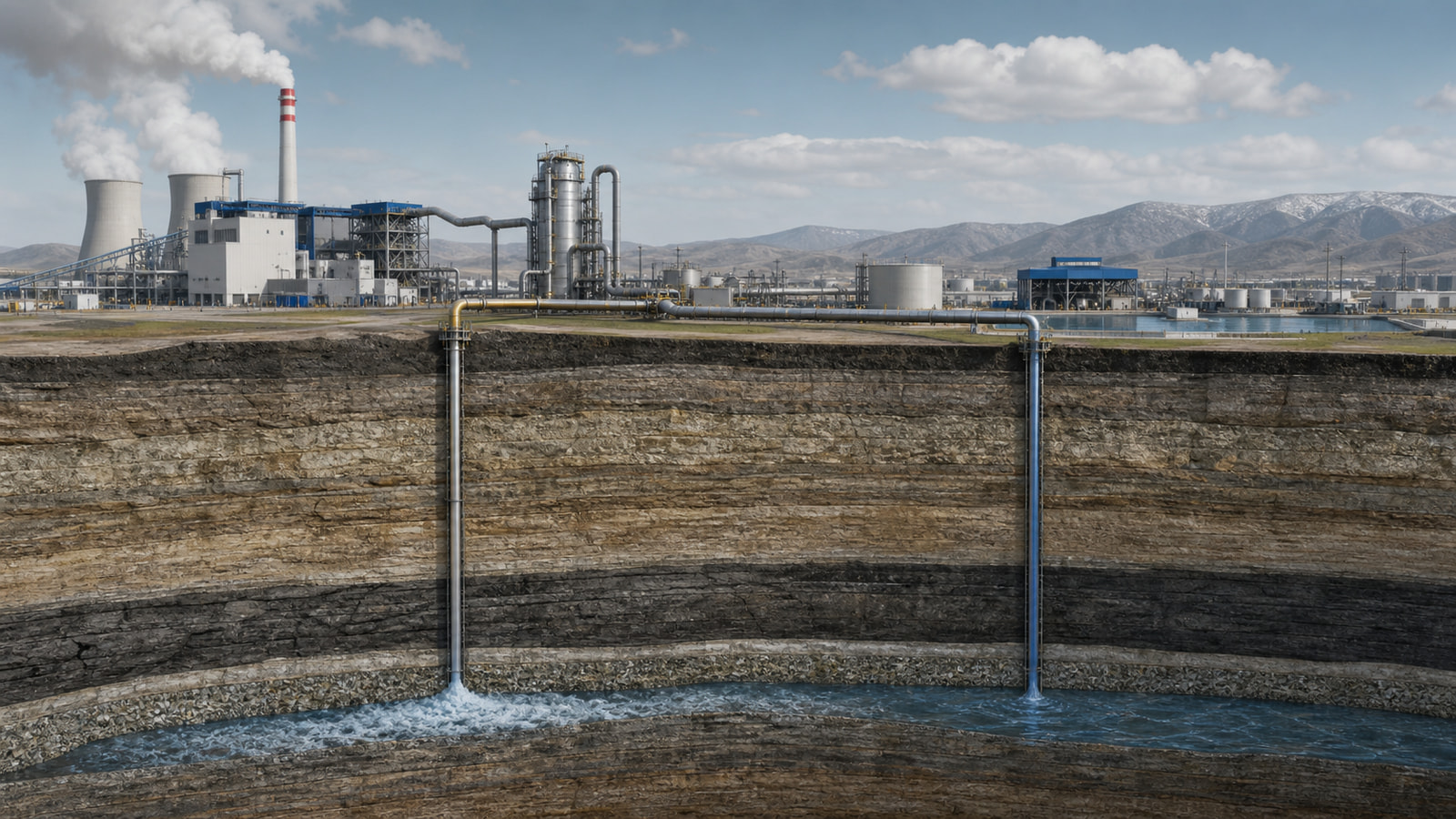
Long-duration operation and a concentrated output stream address two persistent engineering challenges for capturing carbon dioxide from dilute air. This remains a laboratory demonstration, not a fielded removal plant, and capture only becomes atmospheric removal if the released carbon dioxide is transported and stored durably with acceptable lifecycle emissions.
What to watch
- Performance on untreated outdoor air and real flue gas, including humidity, contaminants, maintenance, and water management.
- Complete-system electricity use, capital cost, material life, and lifecycle emissions at larger scale.
- Whether future demonstrations pair capture with verified transport and permanent storage rather than temporary use or rerelease.
Sources & evidence
- Long-term electrochemical carbon capture from diverse CO2 sources with a recirculation modePeer-reviewed Nature Communications article published November 24, 2025, DOI 10.1038/s41467-025-65332-8. The reported results come from laboratory reactors and do not establish complete-system cost or net climate benefit.
- Long-term electrochemical carbon capture from diverse CO2 sources with a recirculation mode — DOI recordStable DOI for the study, including its long-duration ambient-air and recirculation experiments. Carbon capture should not be described as durable removal without verified permanent storage.
Continue learning with ACC
Compare climate solutions by readiness, scale, cost, and safeguards