
ACC News Brief
Climate Solutions Global
Energy jobs topped 76 million, but skill shortages could slow the next wave
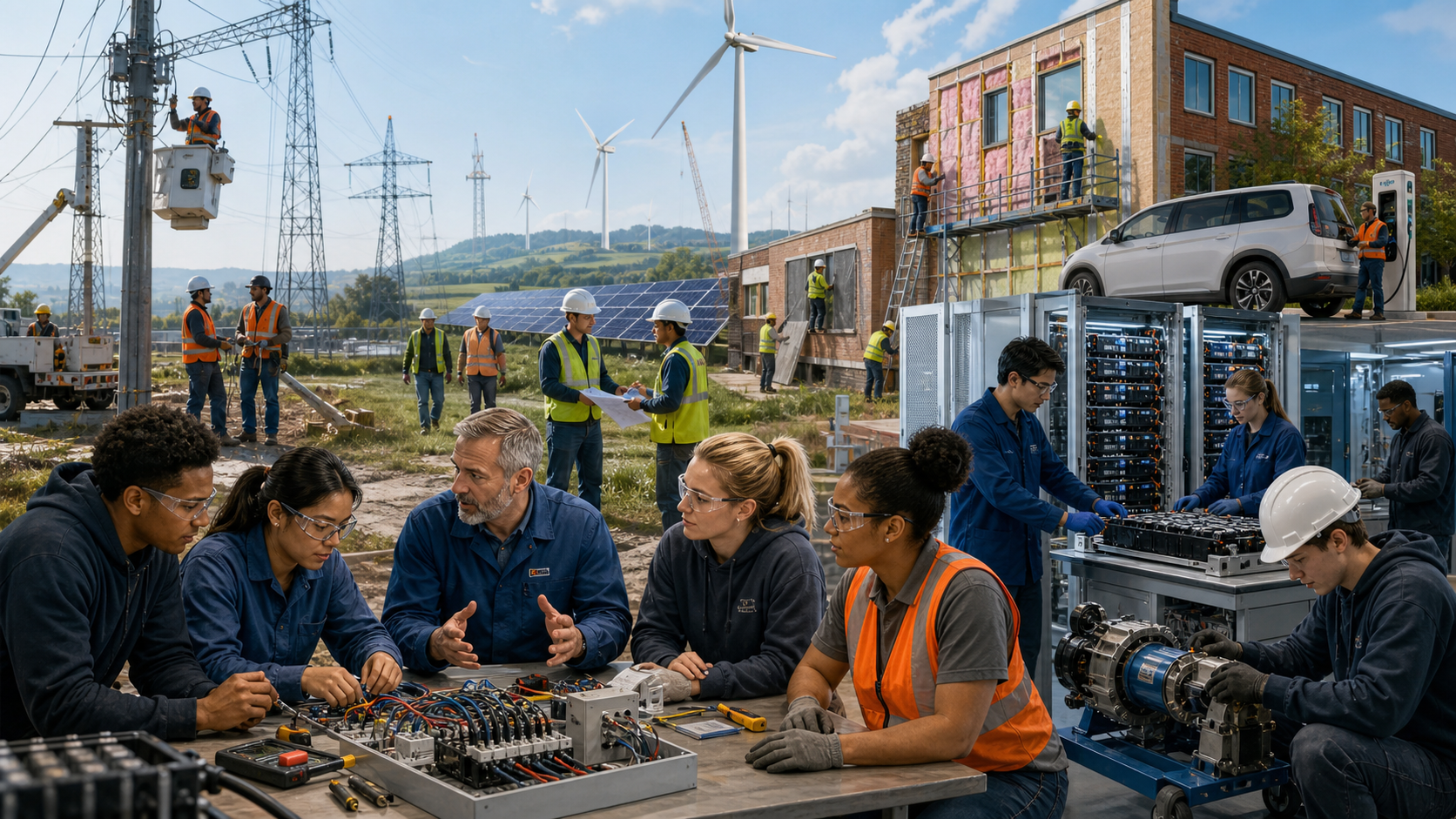
What happened
The International Energy Agency estimates that global energy employment reached 76 million in 2024, more than 5 million above 2019, after growing 2.2 percent during the year. The power sector accounted for three-quarters of recent employment growth and overtook fuel supply, while electric-vehicle and battery manufacturing added nearly 800,000 jobs in 2024. More than half of the 700-plus organizations surveyed by the IEA reported critical skilled-labor bottlenecks, and fossil-fuel employment also remained resilient, so the total should not be read as an all-clean-energy jobs count.
Why it matters
Workers are essential infrastructure for building and maintaining cleaner power, grids, efficiency upgrades, storage, and electrified transport. Training, job quality, geographic access, and support for workers in changing industries will help determine whether energy investment translates into durable and broadly shared climate progress.
What to watch
- Whether governments, employers, unions, and educators fund the additional training capacity the IEA estimates is needed, rather than treating it as already committed.
- Comparable country-level data on job quality, wages, safety, demographics, contractor work, and clean-versus-fossil employment.
- Whether worker shortages delay power grids, clean manufacturing, building retrofits, and other projects even when capital and permits are available.
Sources & evidence
- World Energy Employment 2025International Energy Agency report published December 5, 2025 under CC BY 4.0. Its employment totals combine IEA estimates and country data; the skills findings also draw on a survey of more than 700 organizations.
- Energy employment has surged, but growing skills shortages threaten future momentumIEA news release dated December 5, 2025 summarizing the report's job-growth, power-sector, EV and battery, and skilled-labor findings.
Continue learning with ACC
Explore the technologies, policies, and workforce pathways behind climate solutions