ACC News Brief
Climate Solutions United States / laboratory and pilot scale
Peer-reviewed laboratory and pilot proof of concept - not a field-ready removal system
Engineered marine bacteria sped rock weathering in a pilot study
What happened
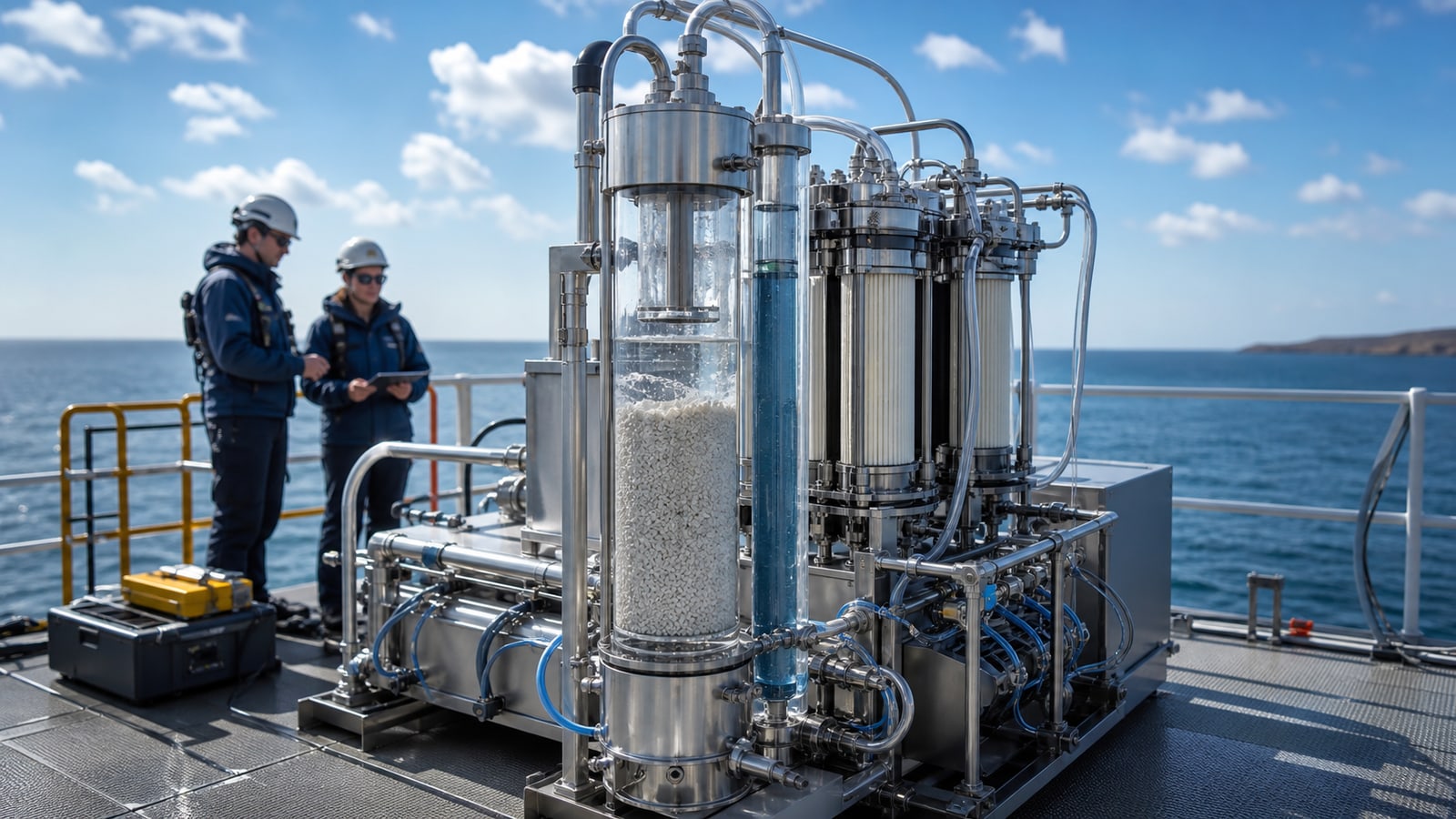
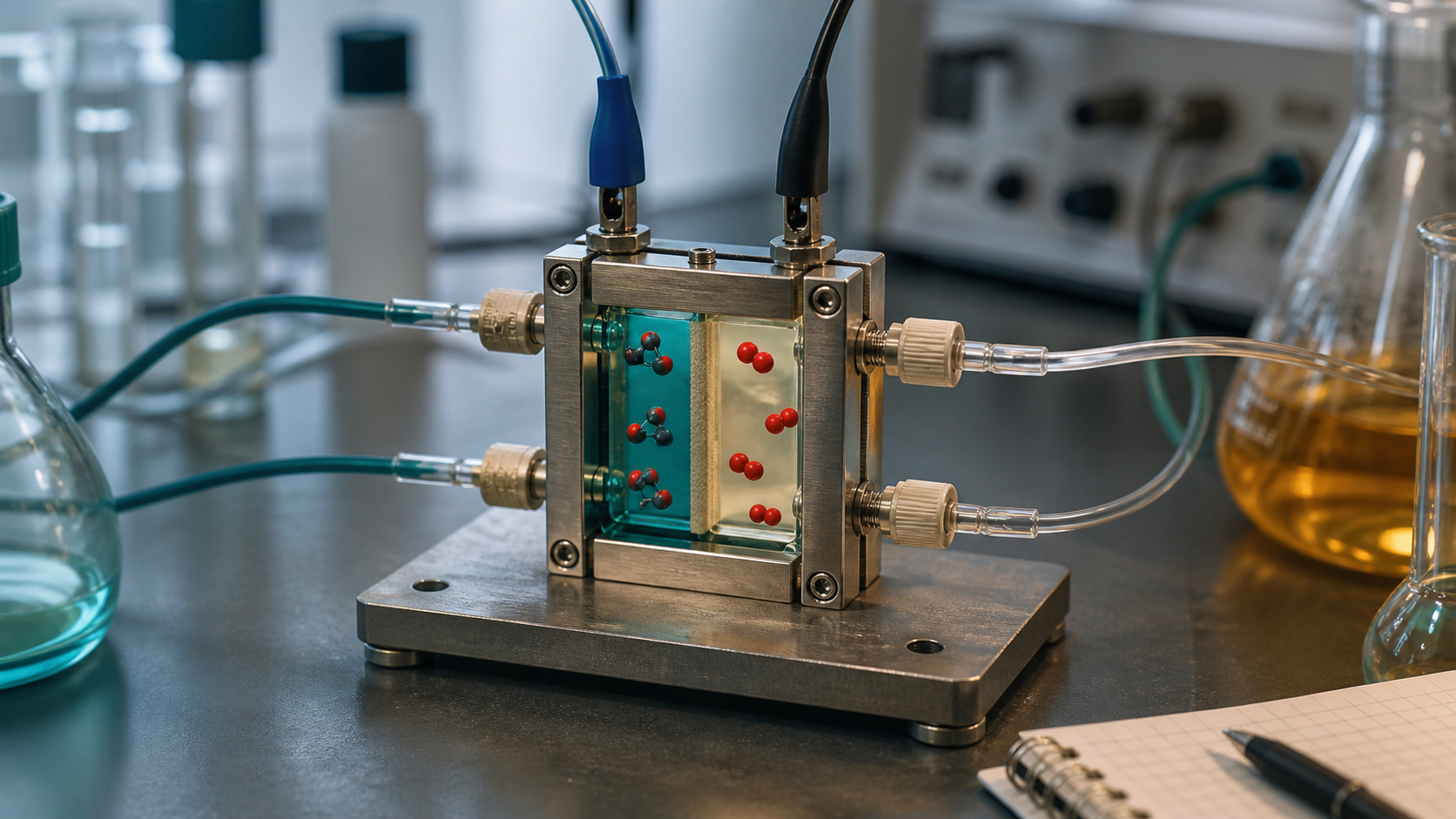
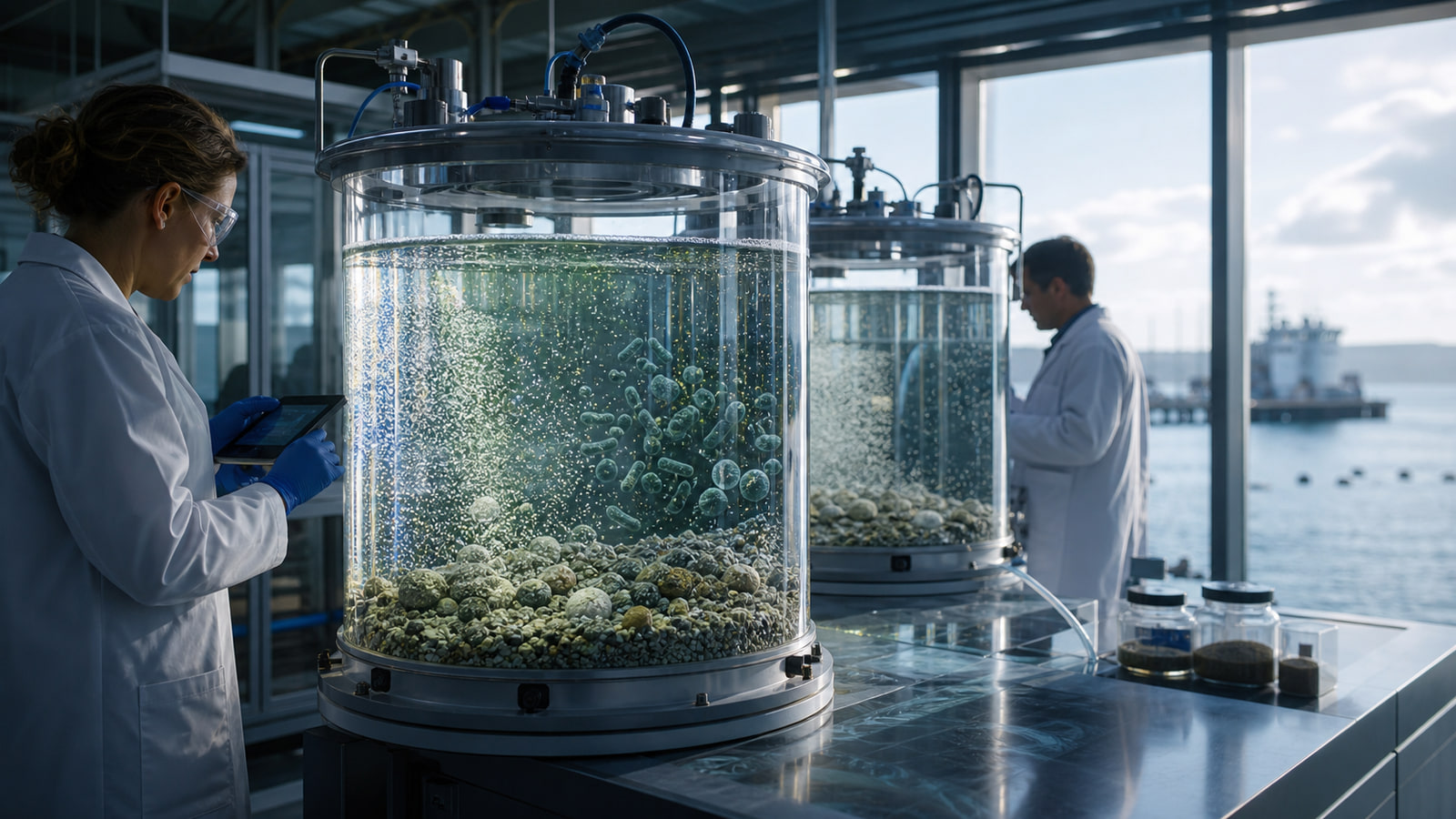
Researchers engineered a common marine bacterium to continuously produce siderophores, molecules that help remove iron coatings that slow olivine weathering. In flowing seawater bioreactors, the engineered strain accelerated olivine dissolution by 2.6 times. The team also reported a small harbor-water pilot that removed roughly 0.50 grams of atmospheric carbon dioxide per day under the test conditions.
ACC context
Measured carbon uptake at pilot scale is not evidence of commercial or climate-significant removal. ACC is treating the work as early-stage research whose net benefit remains conditional on containment, ecosystem safeguards, durable accounting, mineral supply, energy use, and economics.
Why it matters
Enhanced rock weathering could store atmospheric carbon as dissolved bicarbonate, but natural weathering is slow. Biological acceleration could address that bottleneck. The current result is a proof of concept, however, and the climate value would depend on safe containment, low-carbon inputs, mineral sourcing, monitoring, and performance at much larger scales.
What to watch
- Independent replication and larger outdoor trials with robust carbon accounting.
- Ecological risk assessment, genetic containment, permitting, and monitoring before any environmental release or open-water deployment.
- Life-cycle emissions and costs from cultivating bacteria, preparing olivine, pumping seawater, and transporting materials.
Sources & evidence
- Engineered bacterial siderophore production accelerates rock weathering for carbon removalPeer-reviewed Nature Biotechnology paper published in August 2026 describing the engineered strain and reactor experiments.
- Pulling carbon into seawater using engineered bacteriaWyss Institute explanation dated August 28, 2026, with researcher context and the publication link.
Continue learning with ACC
Compare climate solutions by readiness, scale, cost, and safeguards