ACC News Brief
Food & Agriculture Czech Republic
Three-year field trial tests hydrogels for drought-prone poppy farms
What happened
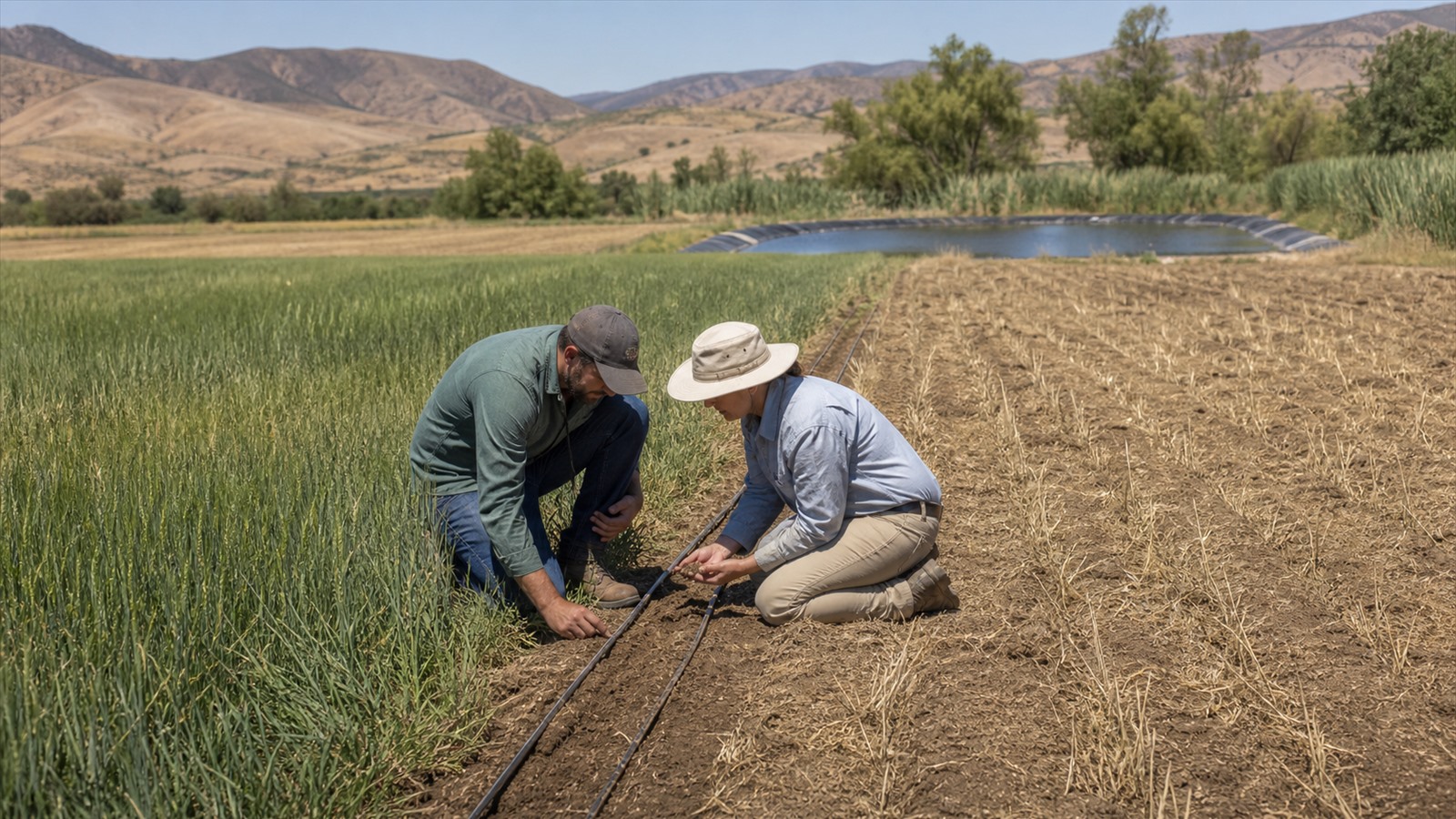
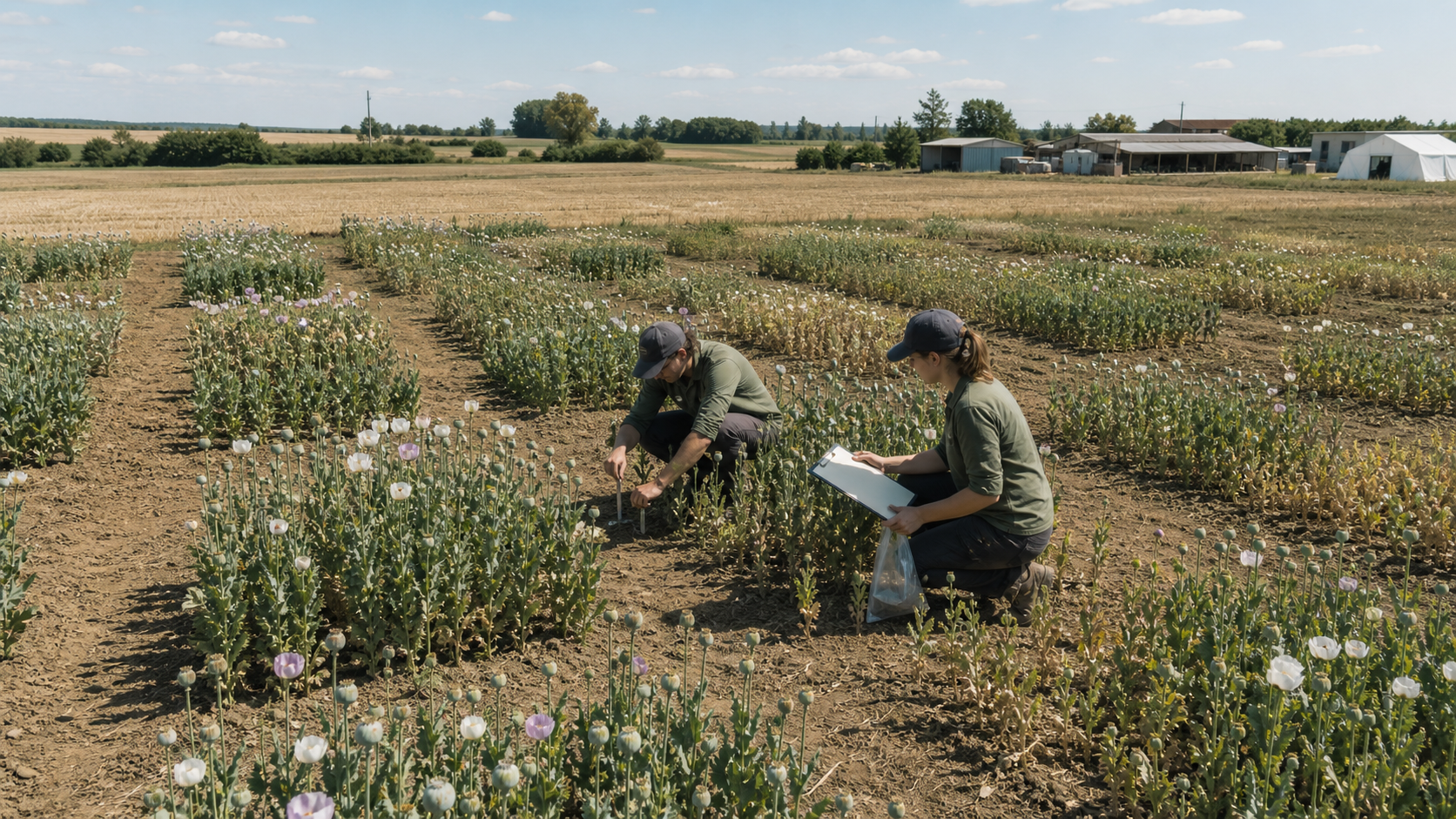
A three-year small-plot field experiment at one South Moravian research station compared standard fertilizer, a natural-based hydrogel, a synthetic superabsorbent polymer, and fertilizer-enriched versions at two doses. The lower-dose synthetic enriched treatment significantly increased culinary poppy seed yield and produced the highest nitrogen-use efficiency, while the higher-dose natural enriched treatment produced the highest yield overall and natural treatments increased soil microbial activity; the results cover one crop and site, and the natural formulation still contained 7% potassium polyacrylate.
Why it matters
Tools that hold water and nutrients near crop roots could help some farms manage drought and reduce nutrient losses. This trial shows why material, dose, crop, soil, weather, biodegradation, and cost all matter: a promising field result cannot be assumed to work the same way across regions or crops.
What to watch
- Independent multi-site trials across crops, soil types, drought severities, irrigation systems, and longer time periods.
- Direct measurements of soil water, nutrient losses, polymer persistence, breakdown products, microplastic risks, soil biology, and crop quality.
- Farmer-scale cost, application equipment, regulation, and whether natural formulations can reduce synthetic-polymer content without sacrificing performance.
Sources & evidence
- Comparative effects of synthetic and natural hydrogels enriched with fertilizer on poppy yield and soil health in drought-prone conditionsPeer-reviewed open-access Article in Scientific Reports, published December 29, 2025, DOI 10.1038/s41598-025-28213-0; led by Mendel University in Brno with Brno University of Technology. The randomized field experiment ran from 2022 through 2024 at one Czech research station; it does not establish performance for other crops, farms, soils, or climates, and both environmental persistence and economics remain material constraints.
Continue learning with ACC
Explore ACC's regenerative food and land guide