ACC News Brief
Clean Energy Global
Low-emissions hydrogen is growing, but firm buyers lag the project pipeline
What happened
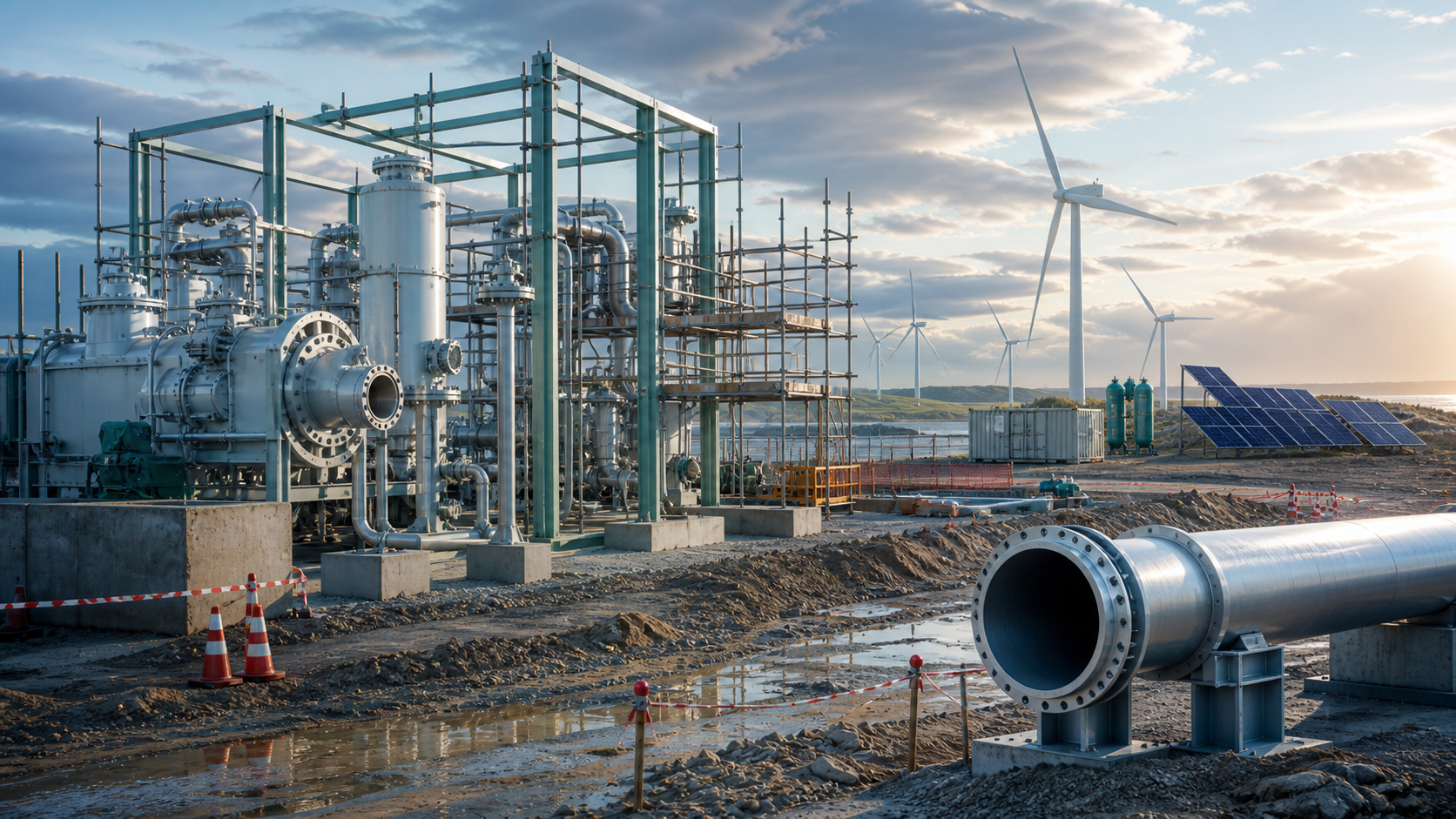
The International Energy Agency estimated that low-emissions hydrogen production reached about 1 million metric tons in 2025, compared with roughly 100 million tons of total hydrogen demand in 2024 that was still supplied almost entirely by unabated fossil fuels. Projects already operating, under construction, or at final investment decision could lift low-emissions output above 4 million tons by 2030, but firm binding offtake was below 2 million tons per year.
Why it matters
Hydrogen may help cut emissions in some hard-to-electrify industries, but project announcements do not equal operating supply or climate benefit. Cost, infrastructure, buyers, production route, electricity source, methane leakage, carbon capture performance, and lifecycle accounting determine whether a project actually reduces emissions.
What to watch
- Final investment decisions, construction progress, commissioning, and binding buyers rather than additional project announcements alone.
- Project-level lifecycle emissions, electricity supply, methane leakage, carbon-capture performance, certification rules, infrastructure, and delivered cost.
Sources & evidence
- What it would take to unlock the next phase of hydrogen growthOfficial International Energy Agency analysis published February 10, 2026, drawing on the IEA Hydrogen Production Projects Database. The roughly 1-million-ton 2025 output is an estimate; the more-than-4-million-ton 2030 figure covers projects classified as operating, under construction, or at final investment decision, while a further roughly 6 million tons described as having strong potential is less certain. These categories are OPERATING, COMMITTED / PLANNED, and MODELED / ESTIMATED evidence and must not be combined as current production.
Continue learning with ACC
Explore ACC's climate solutions pathways