ACC News Brief
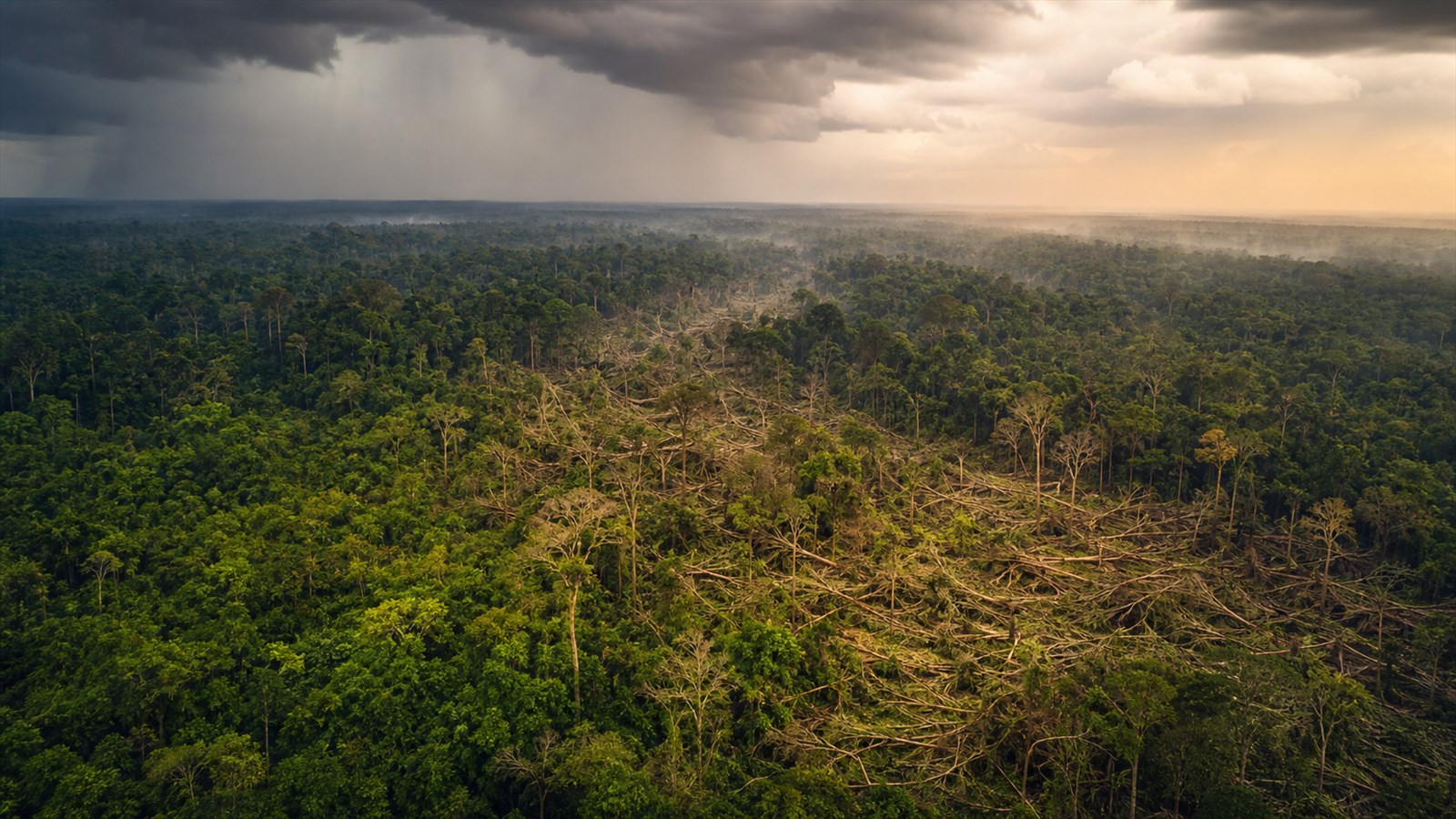
Ecosystems Sweden's boreal forests
Tree rings link rising CO2 to declining nitrogen availability in boreal forests
What happened
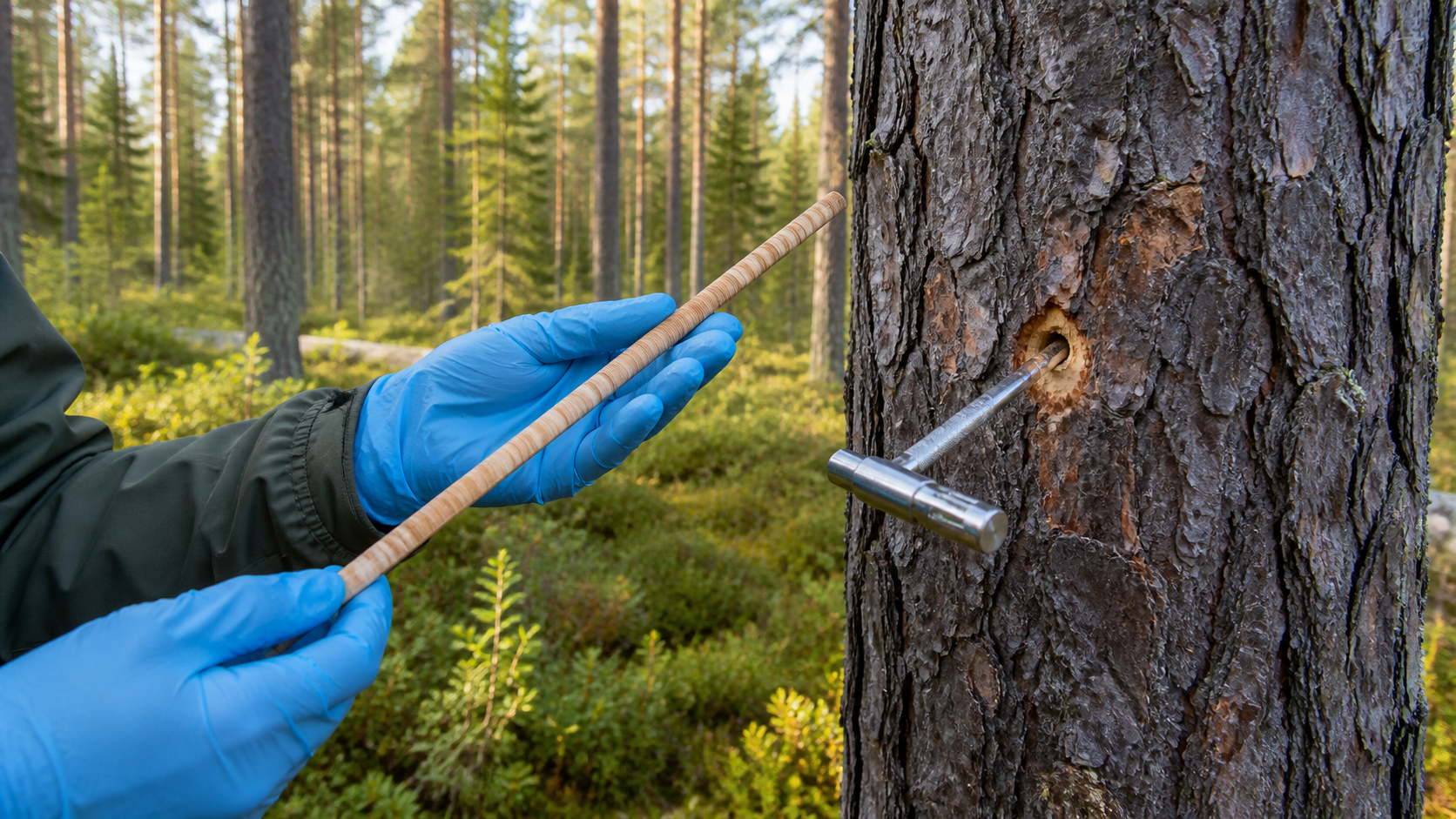
Researchers analyzed nitrogen isotopes in 1,609 archived tree cores collected across Sweden and spanning 1961 through 2018. Nitrogen-isotope values declined across the study area, and rising atmospheric carbon dioxide was the strongest statistical predictor among the tested influences, consistent with growing nitrogen limitation in these boreal forests.
Why it matters
Nitrogen scarcity could constrain how much additional carbon northern forests store as atmospheric carbon dioxide rises, weakening assumptions about a continuously expanding land carbon sink. The isotope record is observational evidence and a nutrient-availability proxy; it does not yet show that the measured decline has reduced forest growth or carbon uptake, and the Swedish result should not be generalized to every boreal forest without further testing.
What to watch
- Direct measurements linking changing nitrogen availability to tree growth, mortality, soil processes, and net carbon uptake.
- Comparable tree-ring and ecosystem studies across North American, Scandinavian, and Russian boreal forests under different nitrogen-deposition histories.
Sources & evidence
- Rising atmospheric CO2 reduces nitrogen availability in boreal forestsPeer-reviewed Article in Nature 650, published February 18, 2026. The observational natural-gradient study used nitrogen isotopes from 1,609 Swedish National Forest Inventory tree cores covering 1961-2018 and mixed-effects models across a large deposition gradient. The isotope trend supports declining nitrogen availability and identifies atmospheric carbon dioxide as the strongest tested predictor, but it does not directly demonstrate reduced forest growth or future carbon-sink strength.
Continue learning with ACC
Explore ACC's ecosystems guide