ACC News Brief
Clean Industry China
Full-system changes beat single fixes in a China plastics model
What happened
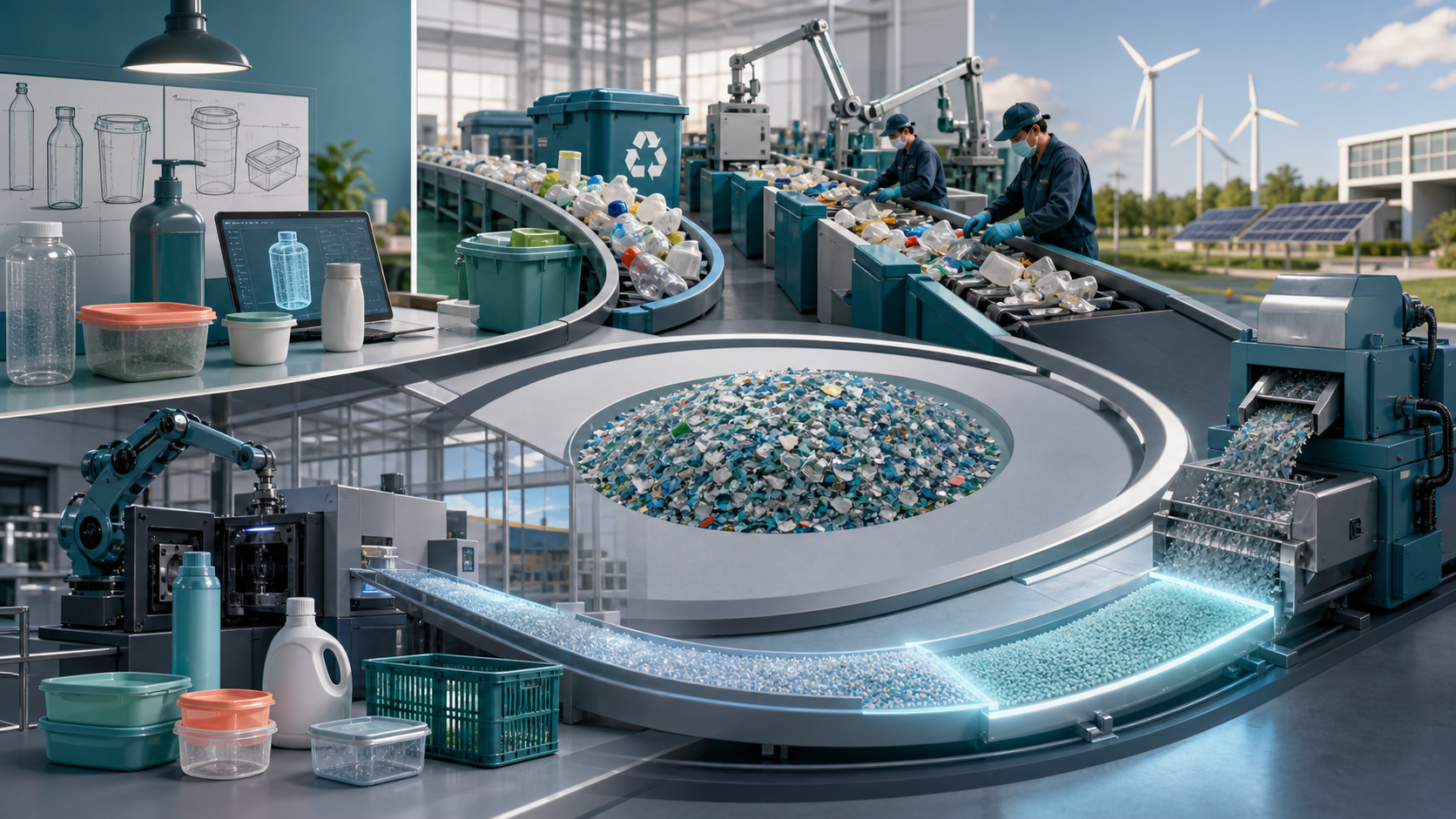
A peer-reviewed model tracking 14 plastic types found that demand reduction, better product design, stronger collection and recycling, and cleaner energy performed best together. Against the modeled 2060 business-as-usual case, the combined scenario cut environmental leakage by 80 percent and net greenhouse-gas emissions by 63 percent while modeled system costs were 24.8 percent lower.
Why it matters
Plastic policy can shift harm between litter, resource use, and emissions, so coordinated life-cycle action can be stronger than one disposal or recycling measure. These percentages are modeled possibilities—not achieved national outcomes—and depend on demand, technology, policy, and cost assumptions.
What to watch
- Actual policy adoption and measured changes in leakage, greenhouse gases, demand, recycling quality, and substitution.
- Textile plastics, incineration emissions, and whether modeled cost savings persist during implementation.
Sources & evidence
- Strategies for synergistic reduction of plastic leakage and greenhouse gas emissions in ChinaPeer-reviewed Article, Nature Communications 17 (2026), published February 25, 2026. The 2060 results are modeled scenarios rather than implemented or observed national reductions.
Continue learning with ACC
Explore ACC's climate solutions pathways