ACC News Brief
Clean Industry Netherlands
OPERATING PROJECT - capture volumes are expected, not measured output
Dutch ammonia plant begins a cross-border carbon-capture operation
What happened
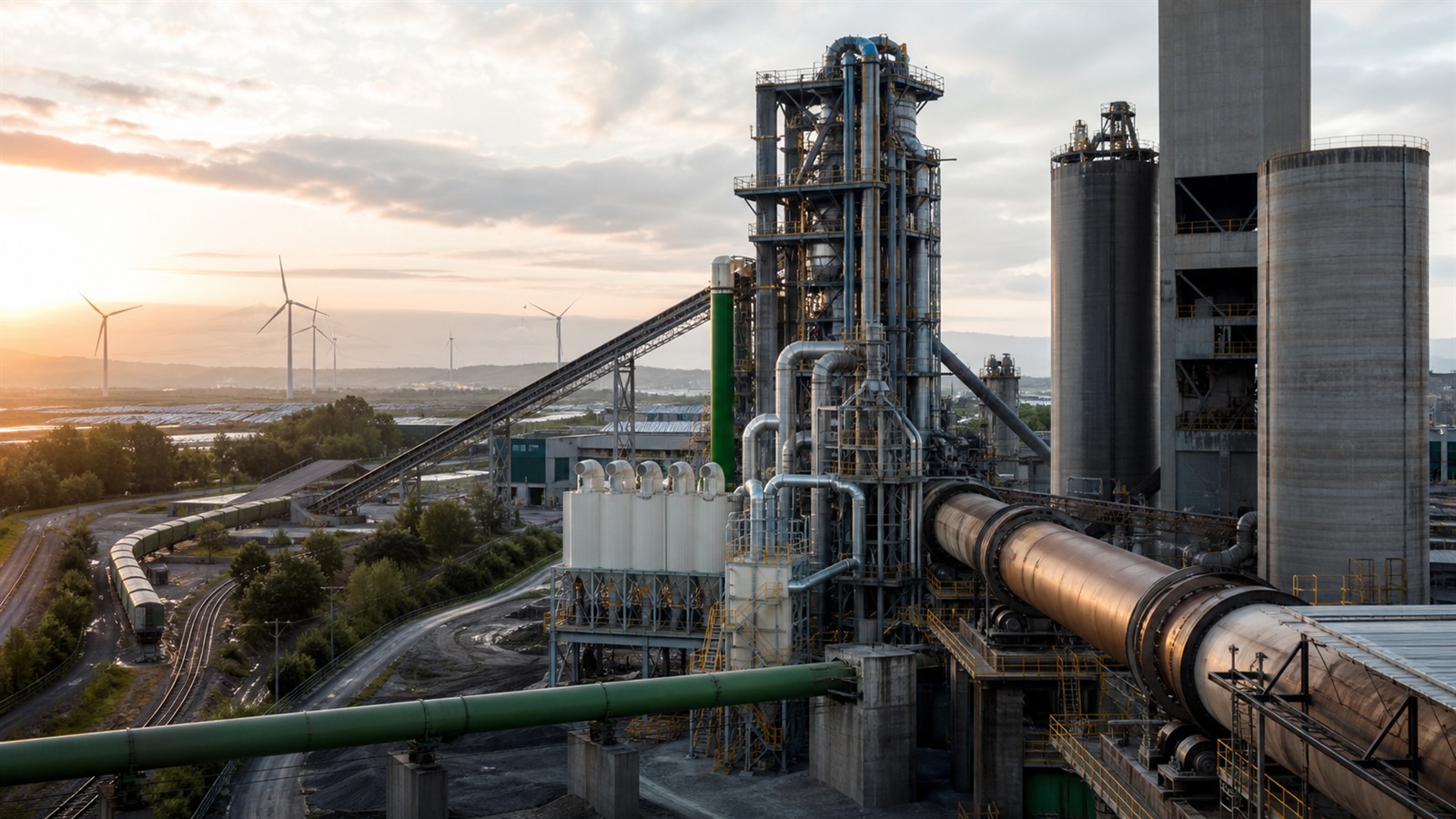
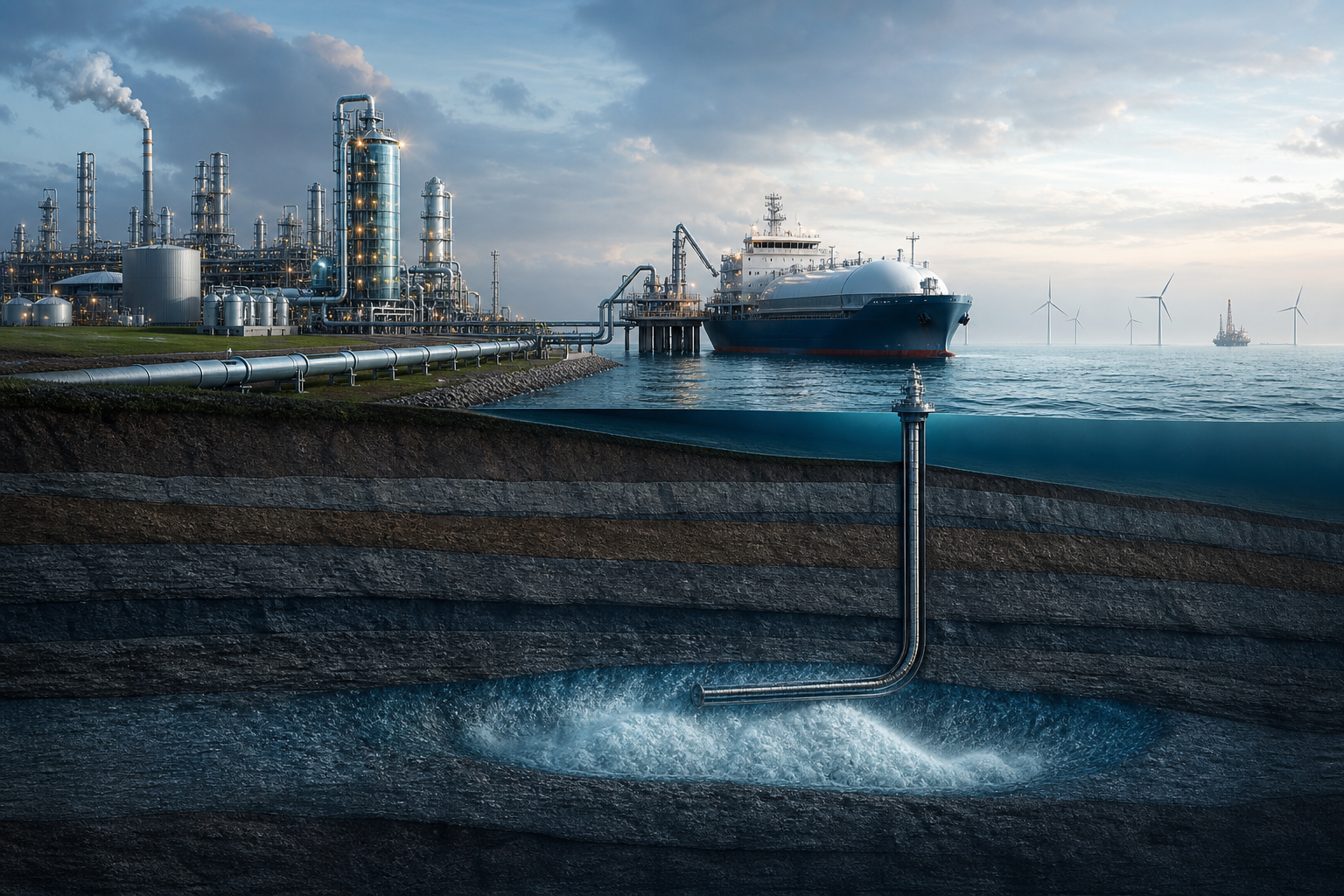
The European Commission says the Yara Sluiskil ammonia and fertilizer plant has started operating a carbon-capture project. Captured carbon dioxide is to be liquefied, shipped to Norway, and stored beneath the North Sea through the Northern Lights facility. The project is expected to capture up to 800,000 tonnes a year and about 12 million tonnes over 15 years, but those quantities are project expectations rather than measured operating results.
ACC context
The facility's inauguration establishes an operating milestone, not proof that the forecast annual or 15-year capture totals have been achieved. Carbon capture also does not make fertilizer production emission-free.
Why it matters
Carbon capture may address some process emissions from hard-to-abate industries, while real climate value depends on verified capture rates, transport and storage performance, energy use, leakage control, and the remaining emissions from production.
What to watch
- Verified annual capture, transport, injection, and permanent-storage data after operations ramp up.
- Energy use, lifecycle emissions, monitoring, and any leakage or downtime.
- How much of the plant's total emissions the system captures and what emissions remain.
Sources & evidence
- Commission inaugurates Europe's largest industrial carbon capture and storage facility in the NetherlandsEuropean Commission energy announcement published September 7, 2026, reporting the start of operations and expected capture volumes.
Continue learning with ACC
Compare climate-solution pathways and their evidence