ACC News Brief
Climate Solutions Global
LED efficiency is entering a smarter, repairable second wave
What happened
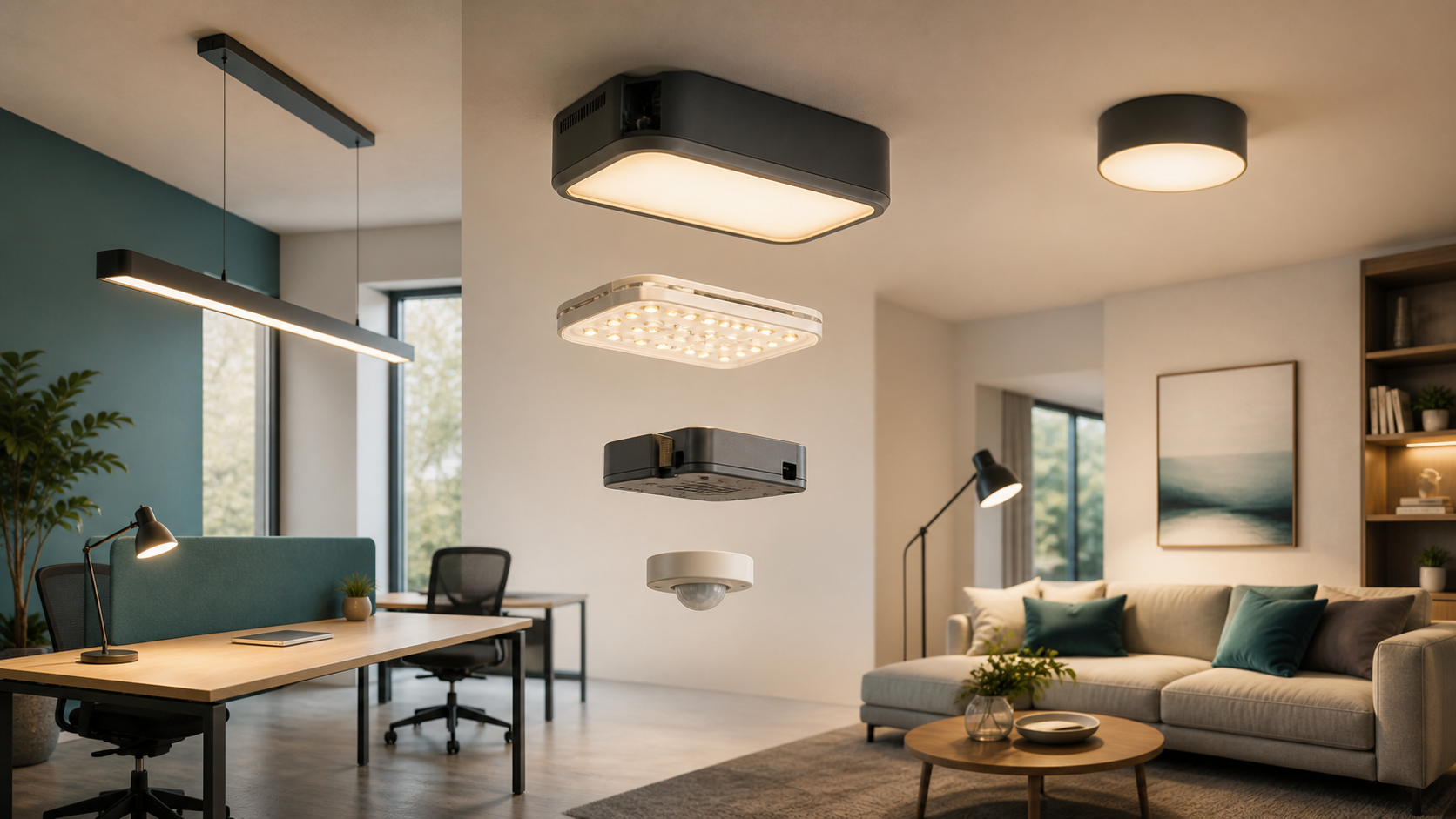
International Energy Agency analysis says efficient lighting has helped hold building-lighting electricity use roughly steady even as global floor area grew. The next gains could come from remaining LED upgrades, occupancy and daylight controls, and modular fixtures whose drivers, optics, and control units can be repaired or replaced.
Why it matters
Lighting accounted for about 2,200 terawatt-hours, or 8 percent of global electricity use, in buildings and outdoor applications in 2024. The IEA estimates indoor building-lighting demand would have been about 70 percent higher if efficacy and market shares had remained at decade-old levels, but that is a counterfactual estimate rather than directly measured savings.
What to watch
- Stronger performance standards, affordable upgrades in lower-income markets, and measured savings from interoperable controls.
- Whether modular repair, reuse, and recycling extend product life without vendor lock-in or rebound from more intensive lighting use.
Sources & evidence
- The next wave of LED lighting: Smarter, circular and more efficientInternational Energy Agency analytical commentary, published March 6, 2026. The page identifies its market-share inputs and counterfactual method; its avoided-use estimate is not a direct meter reading. Licensed by the IEA under CC BY 4.0.
Continue learning with ACC
Explore ACC's buildings and transport guide