ACC News Brief
Climate Solutions Global
Joint planning can reduce conflicts between new forests and wind power
What happened
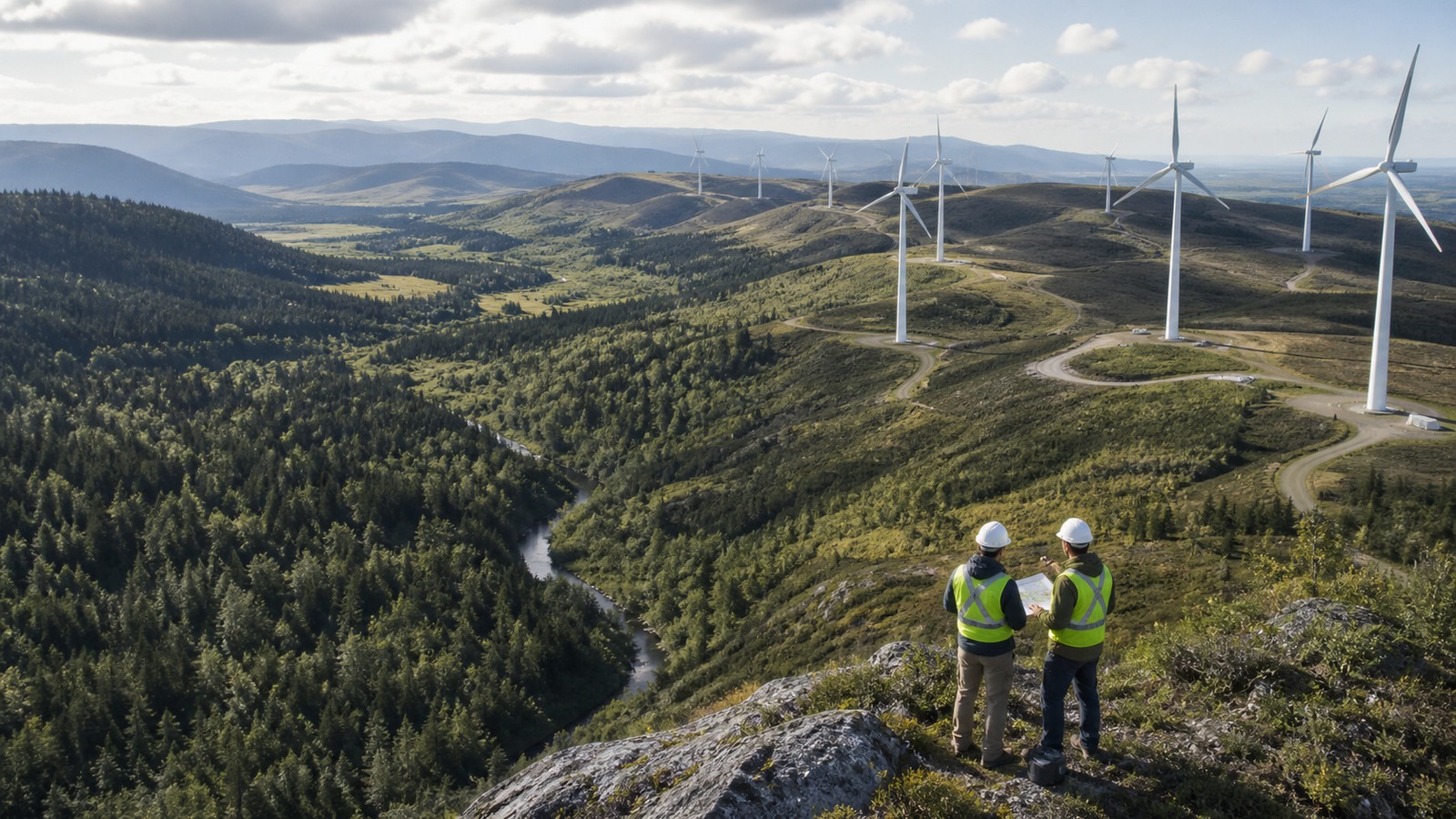
A peer-reviewed Nature Communications modeling study examined a physical tradeoff between large-scale forestation and onshore wind. In its maximum global forestation scenario, 1.508 billion hectares stored an estimated 90.7 billion tonnes of carbon in biomass but reduced modeled onshore wind technical potential by 19.5% as added surface roughness slowed winds. The effect varied sharply by region, with tropical forestation offering high carbon gains and relatively small wind losses, while modeled tradeoffs were larger in Europe and the contiguous United States.
Why it matters
Forests and wind power are both valuable climate solutions; the lesson is to plan them together, not choose one globally. Regional siting can prioritize forest recovery where carbon and ecosystem gains are strong while keeping the best wind resources productive.
What to watch
- Regional studies that add biodiversity, water, land tenure, community priorities, transmission, and actual project economics to the atmospheric model.
- Planning rules that protect existing ecosystems and avoid treating modeled forestation potential as automatically available land.
Sources & evidence
- Regional priorities in implementing forestation and wind energy as climate solutions in facing their trade-offsOpen-access, peer-reviewed Nature Communications article, DOI 10.1038/s41467-026-71674-8, published April 10, 2026. Results come from coupled land-atmosphere simulations and technical-potential estimates, not observed global deployment.
Continue learning with ACC
Explore ACC's practical climate-solutions pathways