ACC News Brief
Climate Solutions Global
Carbon removal can protect climate refuges—or crowd them out

What happened
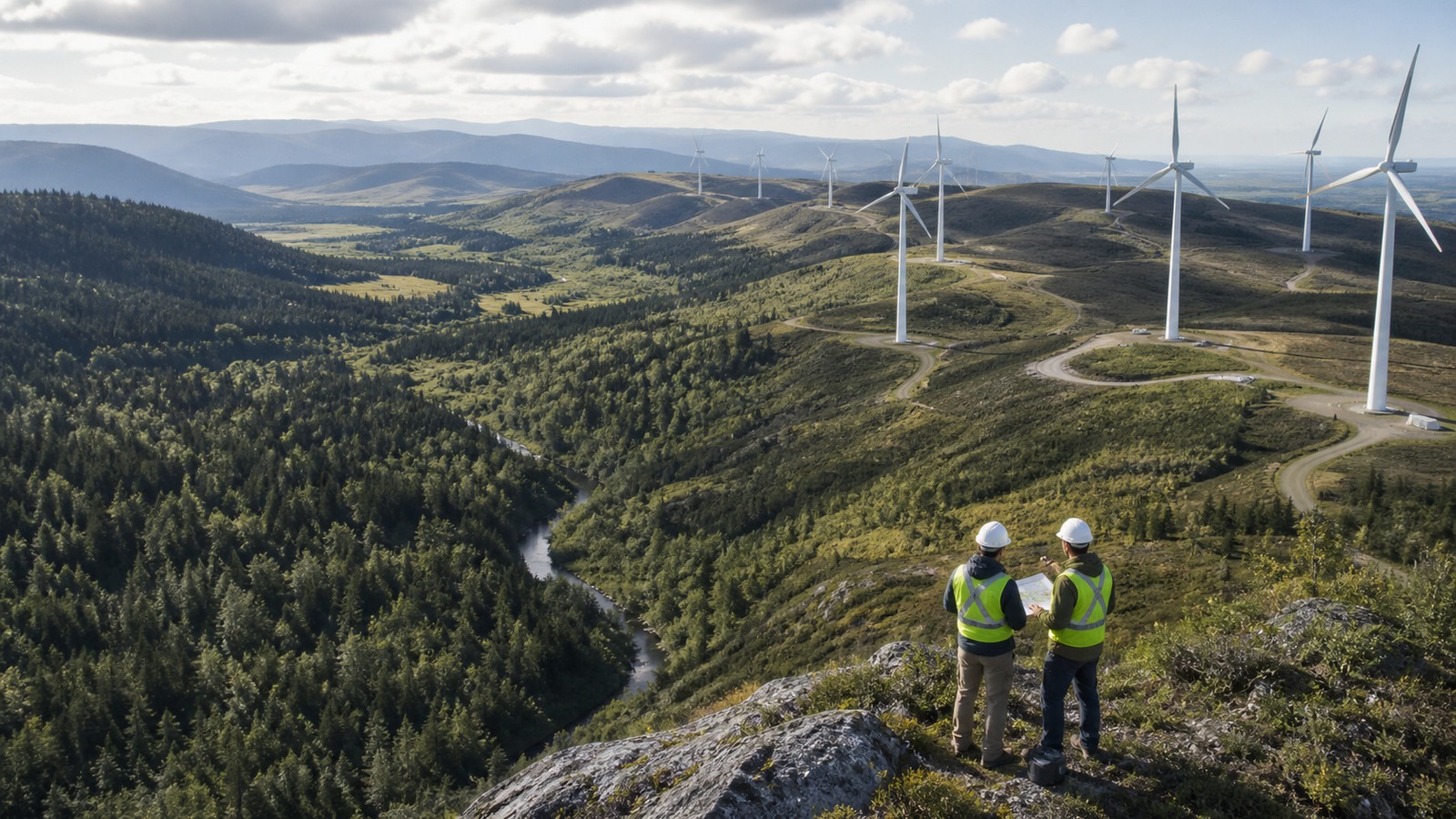
A peer-reviewed analysis combined five climate-policy models with biodiversity data covering about 135,000 species and 70 climate-refugia hotspots. Land-intensive carbon removal could reduce biodiversity losses by limiting warming, but the modeled land demand for forestation and bioenergy also overlapped refuges: less than 6% under current-policy scenarios, rising to as much as 9% in 2°C pathways and 13% in 1.5°C pathways.
Why it matters
Carbon removal is not automatically beneficial or harmful to biodiversity. Its outcome depends on how much land is used, where projects are placed, which species are planted, and whether rapid emissions cuts reduce reliance on land-intensive approaches.
What to watch
- Whether climate-planning models begin treating biodiversity and land rights as core constraints instead of after-the-fact safeguards.
- Greater use of degraded-land restoration and lower-land-demand removal approaches alongside faster direct emissions cuts.
- Project-level evidence on habitat quality, permanence, food production, and effects on local and Indigenous communities.
Sources & evidence
- Biodiversity implications of land-intensive carbon dioxide removalPeer-reviewed Article in Nature Climate Change, published January 30, 2026. The study compares modeled carbon-removal land use with climate-refugia data; overlap is a scenario indicator, not proof that projects occupy or damage those locations. This brief uses the current article, which includes a later author correction.
Continue learning with ACC
Explore ACC's climate solutions pathways