ACC News Brief
Clean Energy China
Offshore wind can pair decarbonization with local grid benefits
What happened
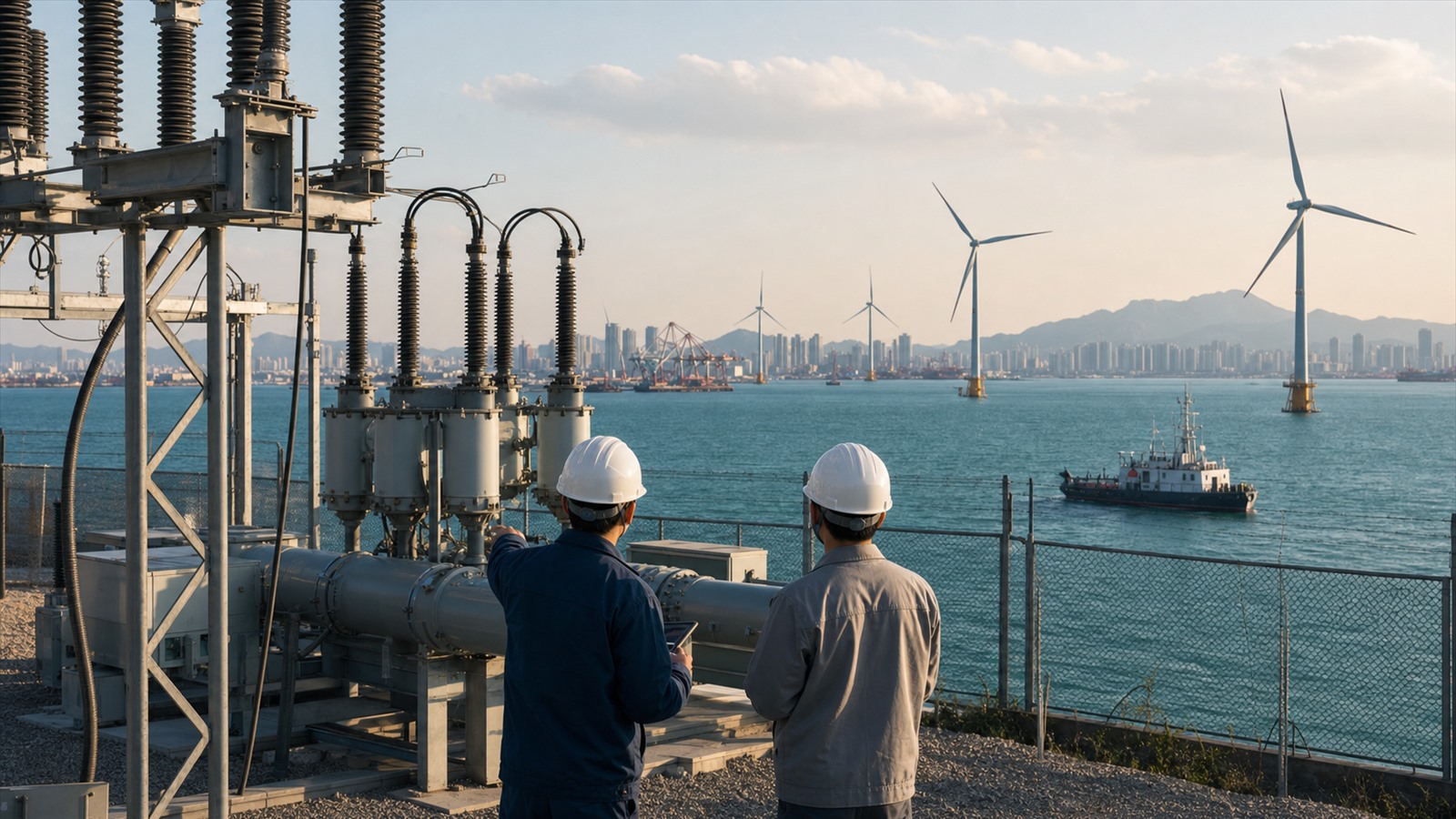
A peer-reviewed power-system study modeled how faster offshore-wind deployment could support China's coastal provinces through greater energy self-sufficiency, lower storage requirements, and more local investment and employment. Across scenarios, offshore wind supplied 3% to 18% of China's electricity in 2050 and could turn some coastal provinces from net electricity importers into exporters. These are GridPath modeling results, not a forecast or evidence that the modeled capacity will be built.
Why it matters
Clean-energy plans can gain broader support when they address local reliability, jobs, and investment as well as national emissions goals. Offshore wind near coastal demand centers could complement solar and reduce pressure on long-distance transmission, provided marine and community impacts are handled responsibly.
What to watch
- National and provincial targets, turbine and port investment, grid connections, costs, and the operating performance of projects that actually reach construction.
- Marine spatial conflicts, ecological monitoring, permitting, public acceptance, and whether local communities share in employment and economic benefits.
Sources & evidence
- Aligning offshore wind deployment with local priorities to accelerate power system decarbonizationPeer-reviewed Communications Earth & Environment article, DOI 10.1038/s43247-026-03533-9, published April 21, 2026. The results come from long-term GridPath scenarios and sensitivity tests; future costs, demand, policy, public acceptance, permitting, and localized ecological effects remain uncertain.
Continue learning with ACC
Explore ACC's renewable energy and grid guide