ACC News Brief
Climate Science Global
Climate models may understate desert dust's longwave heating
What happened
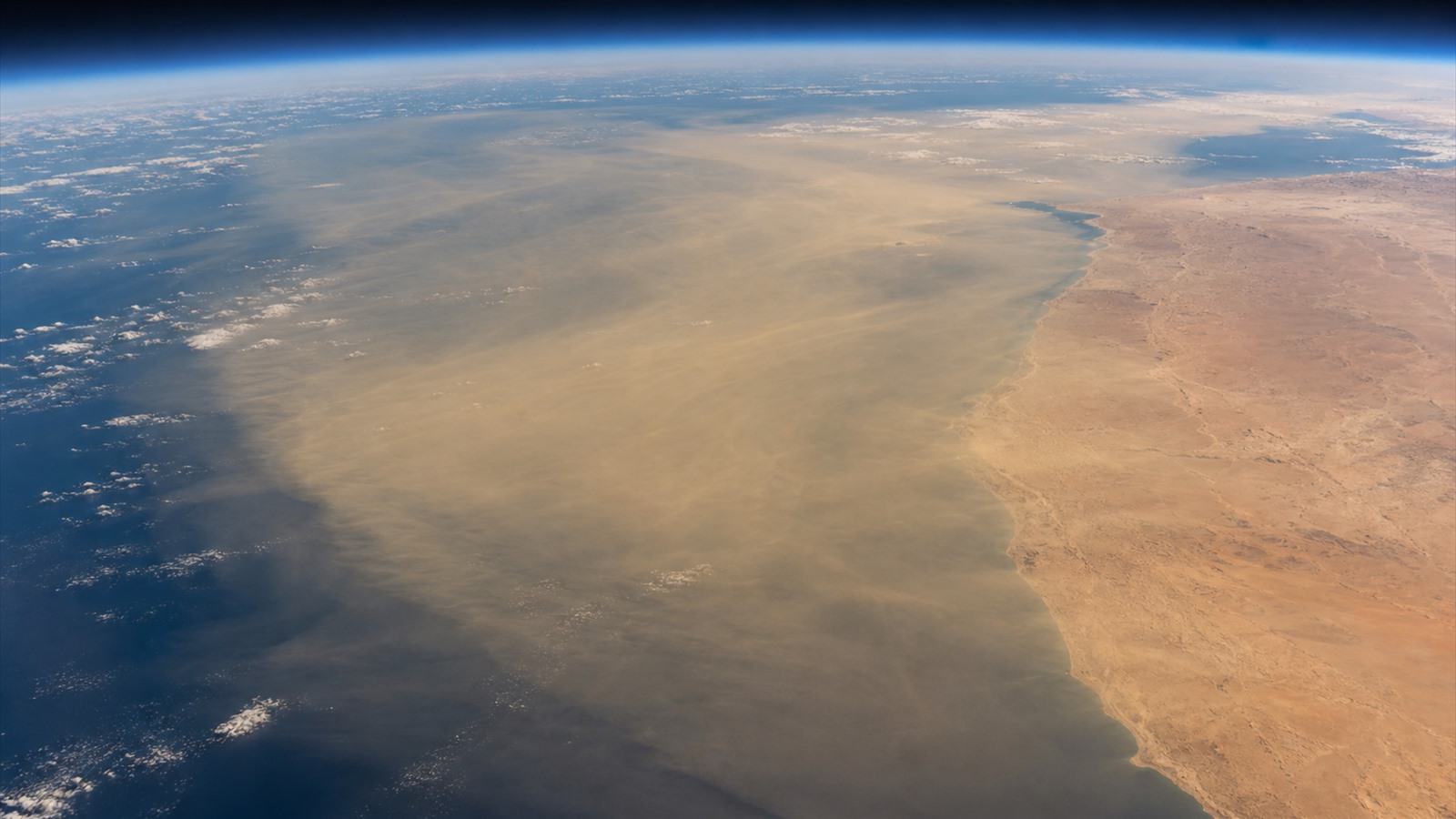
An observation-constrained analytical model estimates that desert dust's scattering and absorption of longwave radiation adds 0.25 plus or minus 0.06 watts per square meter of top-of-atmosphere heating, with a 90% confidence interval, about twice the roughly 0.13 watts per square meter represented by current climate models. The authors trace much of the gap to omitted longwave scattering and underrepresented super-coarse dust. This result covers dust's longwave effect only; uncertain shortwave cooling means the sign and size of dust's total net global radiative effect remain unresolved.
Why it matters
A model blind spot can distort estimates of surface energy, clouds, precipitation, and circulation. Closing it will not change the basic greenhouse-gas evidence, but it can improve weather and regional-climate predictions and give scientists a more complete account of Earth's energy balance.
What to watch
- Climate-model tests that add longwave scattering and realistic super-coarse dust, then compare regional energy, cloud, and precipitation results with observations.
- New measurements of dust size, altitude, optical properties, and shortwave cooling that can resolve whether dust's combined global effect is net warming or cooling.
Sources & evidence
- Desert dust exerts twice the longwave radiative heating estimated by climate modelsPeer-reviewed open-access Nature Communications article 17, 3191, DOI 10.1038/s41467-026-70952-9, published April 28, 2026. The result comes from a data-driven analytical model constrained by observations and applies to the global annual-mean longwave direct radiative effect at the top of the atmosphere; it is not a direct global calorimetric measurement or dust's total net forcing.
Continue learning with ACC
Explore ACC's climate evidence and data guide