ACC News Brief
Climate Science Global
A warmer atmosphere is tightening a global limit on plant carbon uptake
What happened
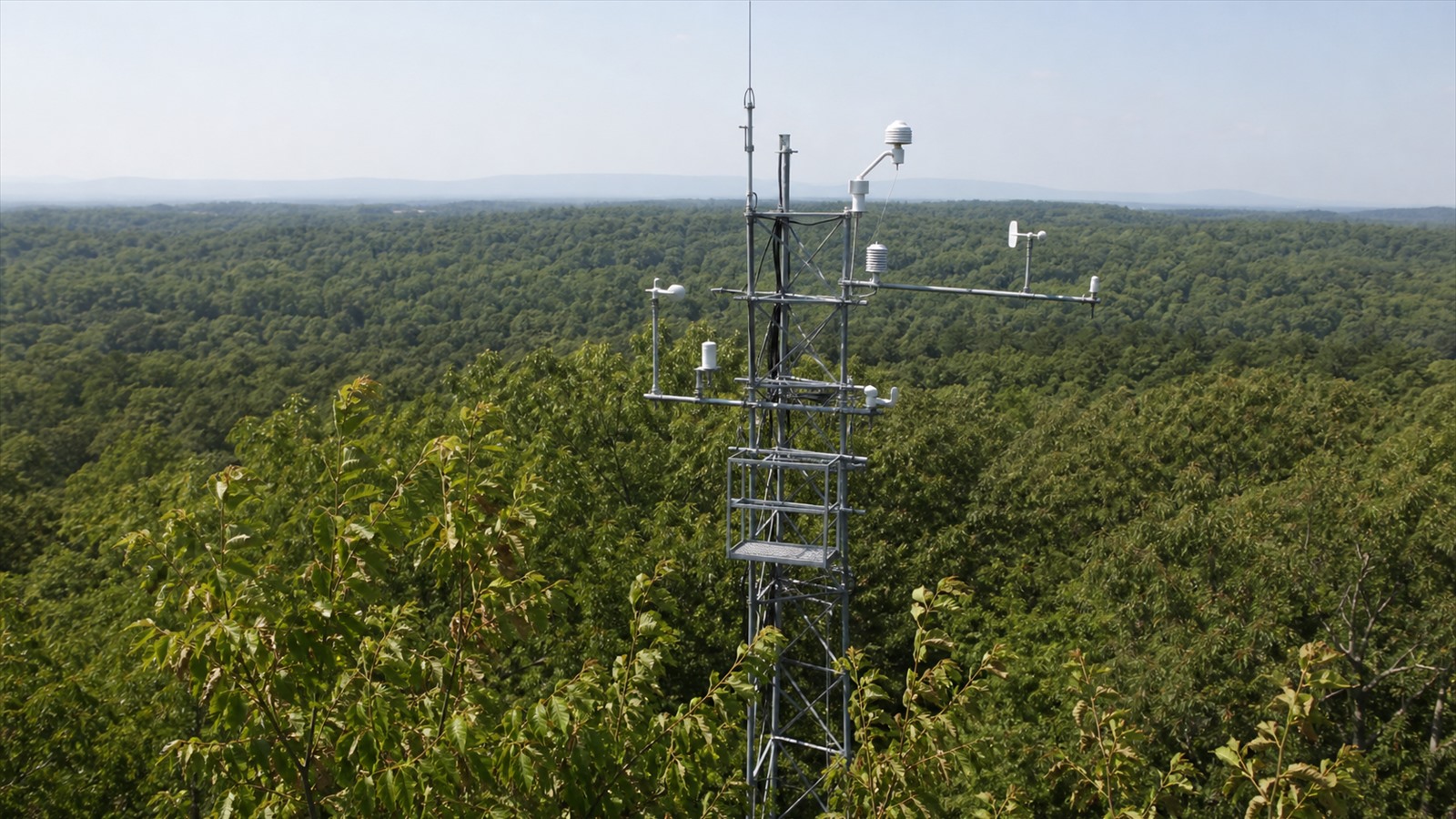
A global analysis combining observationally constrained productivity estimates, satellite retrievals, dynamic vegetation models, and daily records from 156 flux towers finds that atmospheric dryness, measured as vapor-pressure deficit, dominated gross-primary-productivity variability across 66% of vegetated land outside drought and 59% during drought. Soil moisture dominated the remaining 34% and 41%, with large regional shifts. Higher temperatures and more intense or prolonged drought were associated with a stronger atmospheric-dryness constraint: plants close stomata to conserve water, which also limits photosynthesis. The analysis identifies statistical dominance, not an exact forecast of future carbon loss.
Why it matters
Land ecosystems are an important carbon sink, but their uptake is not guaranteed. Limiting warming reduces the rise in atmospheric water demand, while diverse, well-managed ecosystems may improve resilience. Neither point makes ecosystem stewardship a substitute for cutting emissions; it explains why both are needed.
What to watch
- Earth-system models that represent plant hydraulic traits and reproduce observed differences among humid forests, drylands, and drought periods.
- Longer flux-tower and satellite records that separate atmospheric-dryness and soil-moisture effects and test how fire, windthrow, pests, and regeneration alter the relationship.
Sources & evidence
- Warming climate amplifies vapor pressure deficit limits on gross primary productivityPeer-reviewed open-access Nature Communications article 17, 6149, first published April 30, 2026, DOI 10.1038/s41467-026-72549-8. It integrates observationally constrained productivity estimates, satellite retrievals, dynamic vegetation models, regression and sensitivity tests, and daily observations from 156 flux towers. The results are multi-dataset statistical attribution, not a controlled experiment or quantified forecast of future sink loss.
Continue learning with ACC
Explore ACC's climate evidence and data guide