ACC News Brief
Food & Nature Global
Global analysis finds farm policy can improve cropland, unevenly
What happened
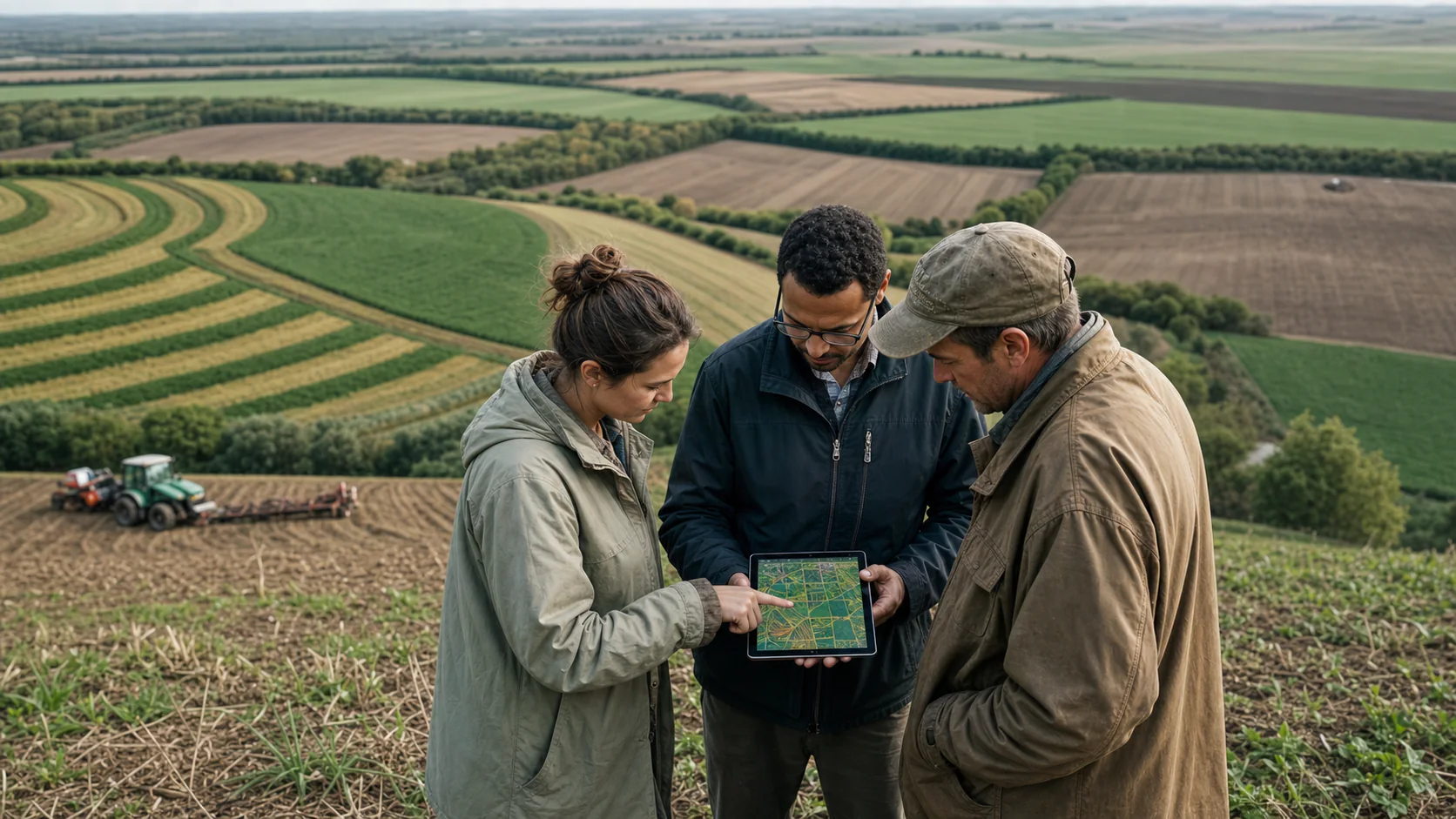
Researchers combined about 83 million satellite-based cropland-condition measurements from 2001 to 2019 with national policy histories, then used border and country-level quasi-experimental comparisons. The study estimated that additional agri-environmental policy was associated with roughly 2% better cropland condition near borders and about 1.5% across whole countries, while a dynamic analysis estimated an average improvement near 5% over two decades. Results varied from negligible to more than 20% among countries; policy counts are an imperfect measure of implementation strength, and this was not a randomized trial.
Why it matters
The global evidence suggests that public policy can measurably protect the productive land people depend on, but design, budgets, governance, and enforcement determine whether a policy becomes more than a promise.
What to watch
- Whether countries strengthen the two policy types with the clearest measured effects in this study: agri-environmental payments and soil or land-use regulations.
- Field evidence showing how specific practices, farmer access, enforcement, and long-term funding translate the satellite signal into durable soil, biodiversity, water, and food-security gains.
- Replication with newer observations, more direct measures of policy intensity, and local checks where the study found little or no statistically significant effect.
Sources & evidence
- Agri-environmental policies have reduced cropland degradation globallyPeer-reviewed Nature Food research article, DOI 10.1038/s43016-026-01359-4, published May 18, 2026. Researchers at ETH Zurich used satellite observations and two quasi-experimental methods across 160 countries; the estimates remain heterogeneous and depend on how policy effort and cropland condition are measured.
- Data and code for the global cropland-policy analysisZenodo research repository containing the study's shared data and code, published by the authors in 2026.
Continue learning with ACC
Explore ACC's regenerative food and land guide