ACC News Brief
Food & Nature China
Grassland restoration raised maize resilience in a northern China study
What happened
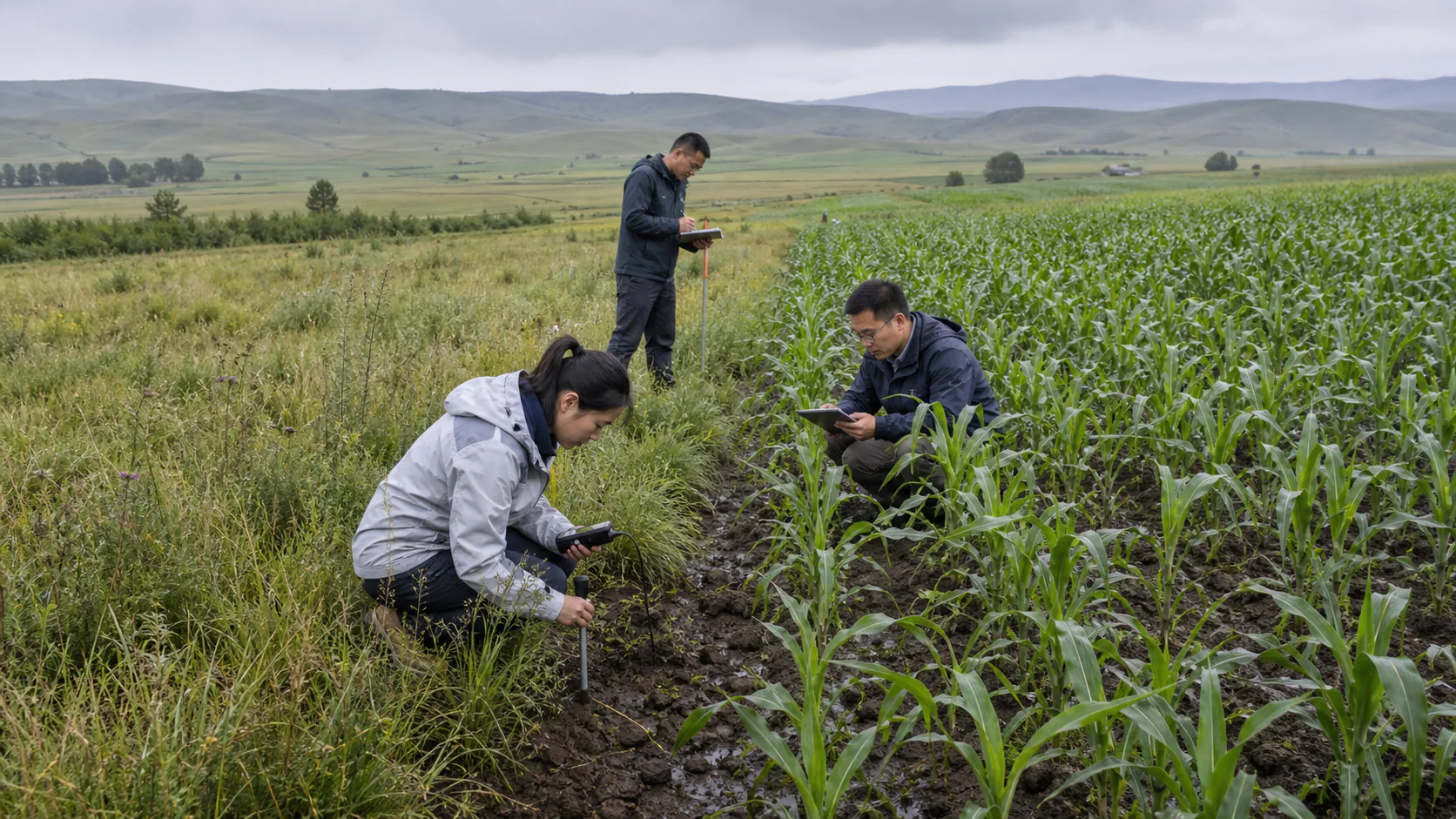
A peer-reviewed county-level study used a difference-in-differences design to evaluate China's Grassland Ecological Compensation Policy. Restored grasslands were associated with a 0.1 degree Celsius reduction in growing-season temperature and 11.48 millimeters more precipitation; the authors estimated a 7.76 percent maize-yield increase and a 25.9 percent reduction in crop-shortfall risk. The analysis is quasi-experimental, not randomized, and applies to the Northern Spring Maize Region.
Why it matters
The study shows how ecological restoration can support habitat, local climate regulation, and food security together rather than treating conservation and production as automatically competing goals.
What to watch
- Replication outside northern China and whether the temperature, rainfall, yield, and shortfall effects persist under stronger warming.
- Water-balance, biodiversity, livestock, herder-income, and land-rights outcomes that are not captured by maize yield alone.
Sources & evidence
- Grassland restoration increases crop yields through local climate regulationPeer-reviewed quasi-experimental study, Nature Climate Change, DOI 10.1038/s41558-026-02663-4, published June 3, 2026.
- Public data and analysis codeZenodo research record cited by the paper for public supporting data and the R and Stata analysis code.
Continue learning with ACC
Explore ACC's ecosystems guide