
ACC News Brief
Climate Solutions Italy
Intermittent aeration cuts energy use in a municipal wastewater pilot
What happened
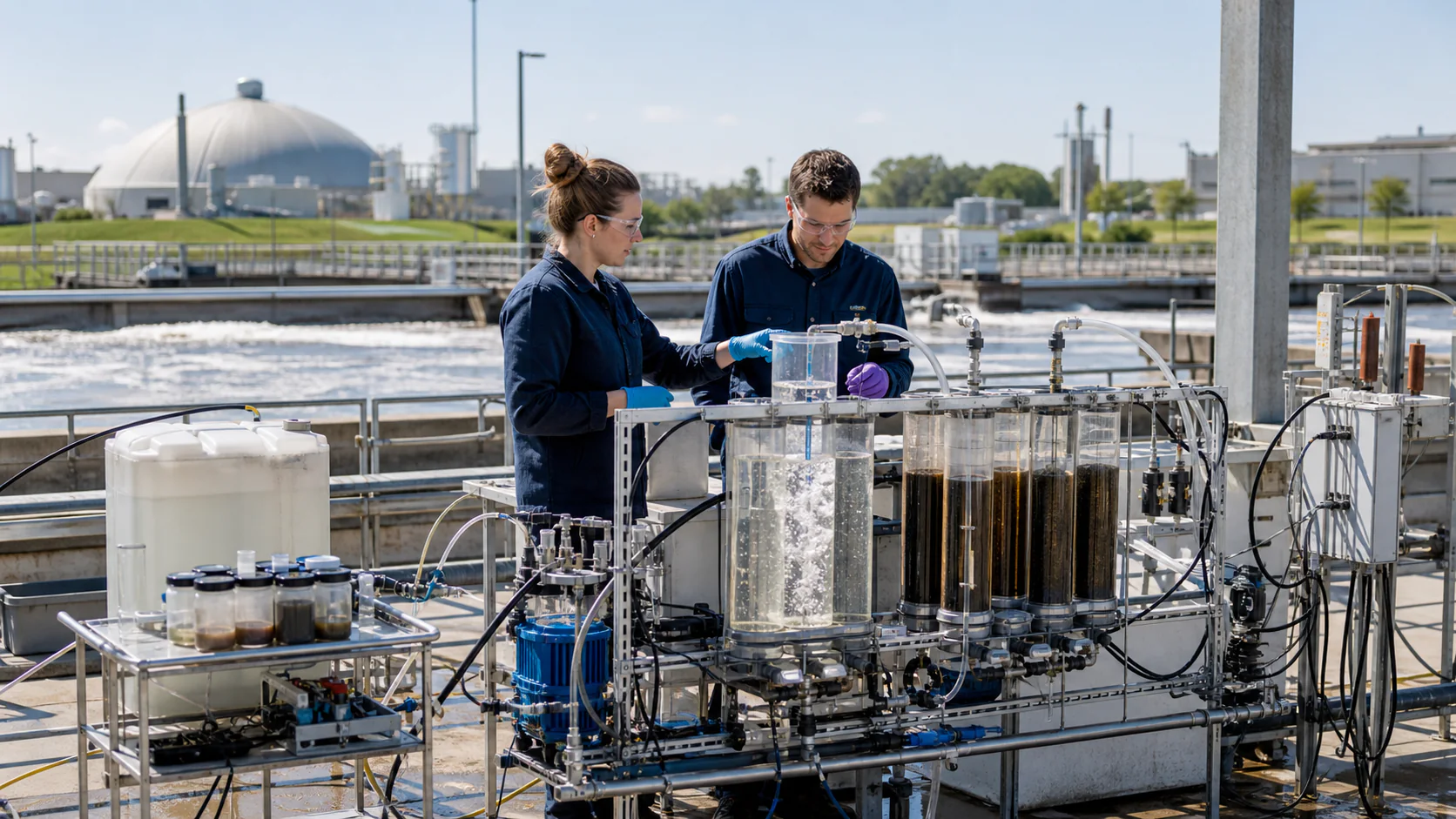
A 104-day pilot-scale moving-bed biofilm reactor treated real municipal wastewater while researchers compared intermittent aeration strategies. Under the most carbon-limited test condition, the system removed 70 percent of chemical oxygen demand, 95 percent of ammonium, and 84 percent of total nitrogen; extending the non-aerated period cut blower energy demand by 67 percent and estimated total plant energy use by 34 percent.
Why it matters
Aeration is a major electricity load at wastewater plants. Smarter cycling could lower energy use while maintaining nutrient removal, but these results come from one pilot rather than a full-scale multi-site deployment, and the study did not directly measure nitrous oxide or methane.
What to watch
- Full-scale tests across seasons, changing influent, and different treatment-plant designs.
- Effluent consistency, maintenance, actual facility electricity use, and direct greenhouse-gas measurements.
Sources & evidence
- Comparing Intermittent Aeration Strategies in a Pilot-Scale Moving-Bed Biofilm Reactor Treating Real Municipal Wastewater Under Variable Carbon and Nitrogen LoadingsPeer-reviewed pilot study, Water, DOI 10.3390/w18121467, published June 14, 2026; 104 days of operation with real municipal wastewater.
Continue learning with ACC
Explore ACC's climate resilience guide