
ACC News Brief
Resilience United States
Climate Central maps how large U.S. cities are reducing urban heat
What happened
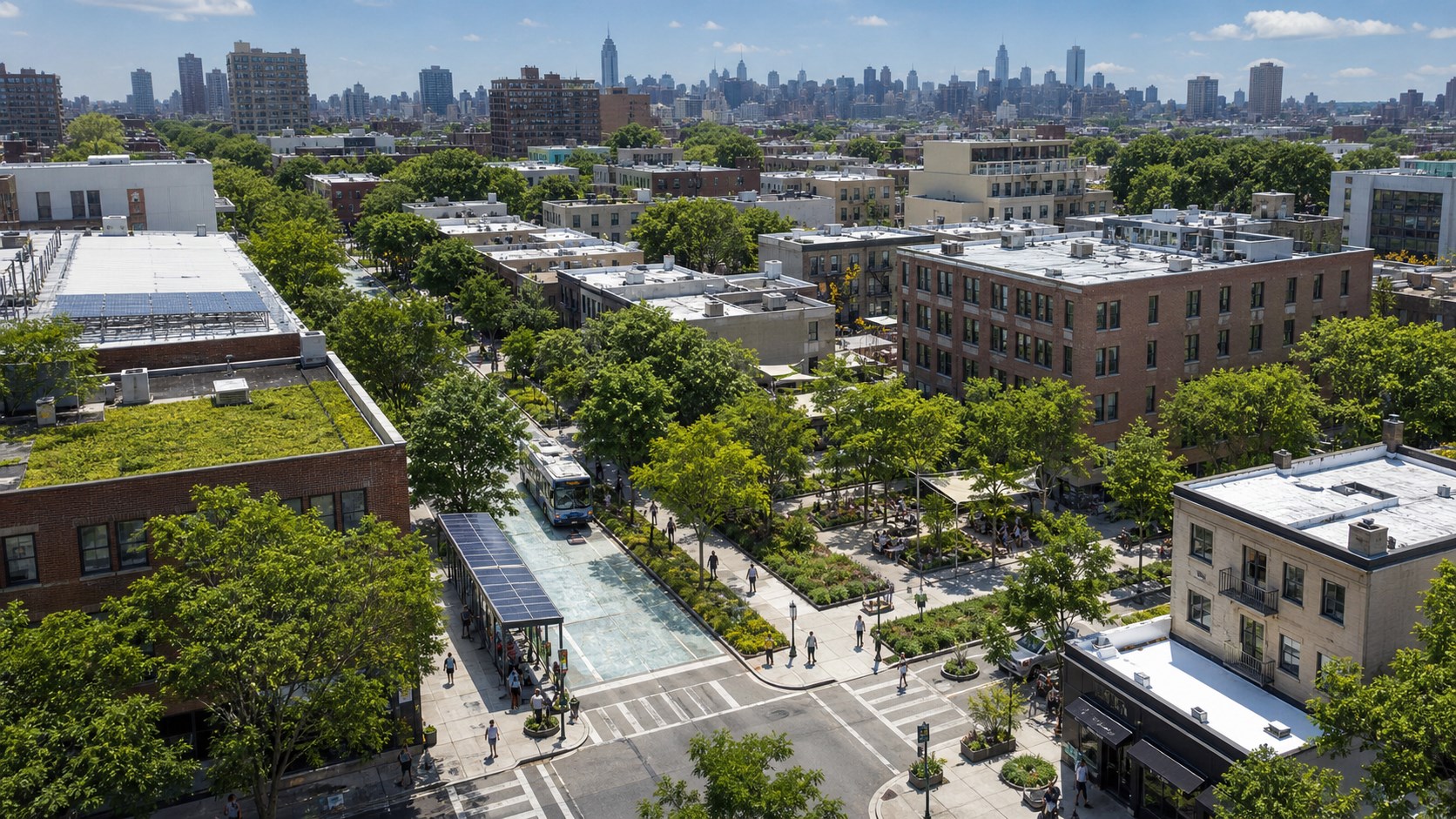
Climate Central released a practical urban-heat resource covering 65 major U. S. cities, showing that residents experience an average of 8 degrees Fahrenheit of extra heat from the built environment while also highlighting responses cities are already using.
Why it matters
The useful takeaway is that heat adaptation is not abstract: trees, shade, water features, cool roofs and pavements, cooling centers, and community programs can lower risk while deeper emissions cuts address the root cause.
What to watch
- Further verified reporting or data from Climate Central and other primary sources.
- How this develops in United States, especially around Urban Heat, Cooling, Public Health.
Continue learning with ACC
Explore ACC's climate resilience guide