ACC News Brief
Resilience & Adaptation Global
WMO projects target weather-observation gaps in vulnerable countries
What happened
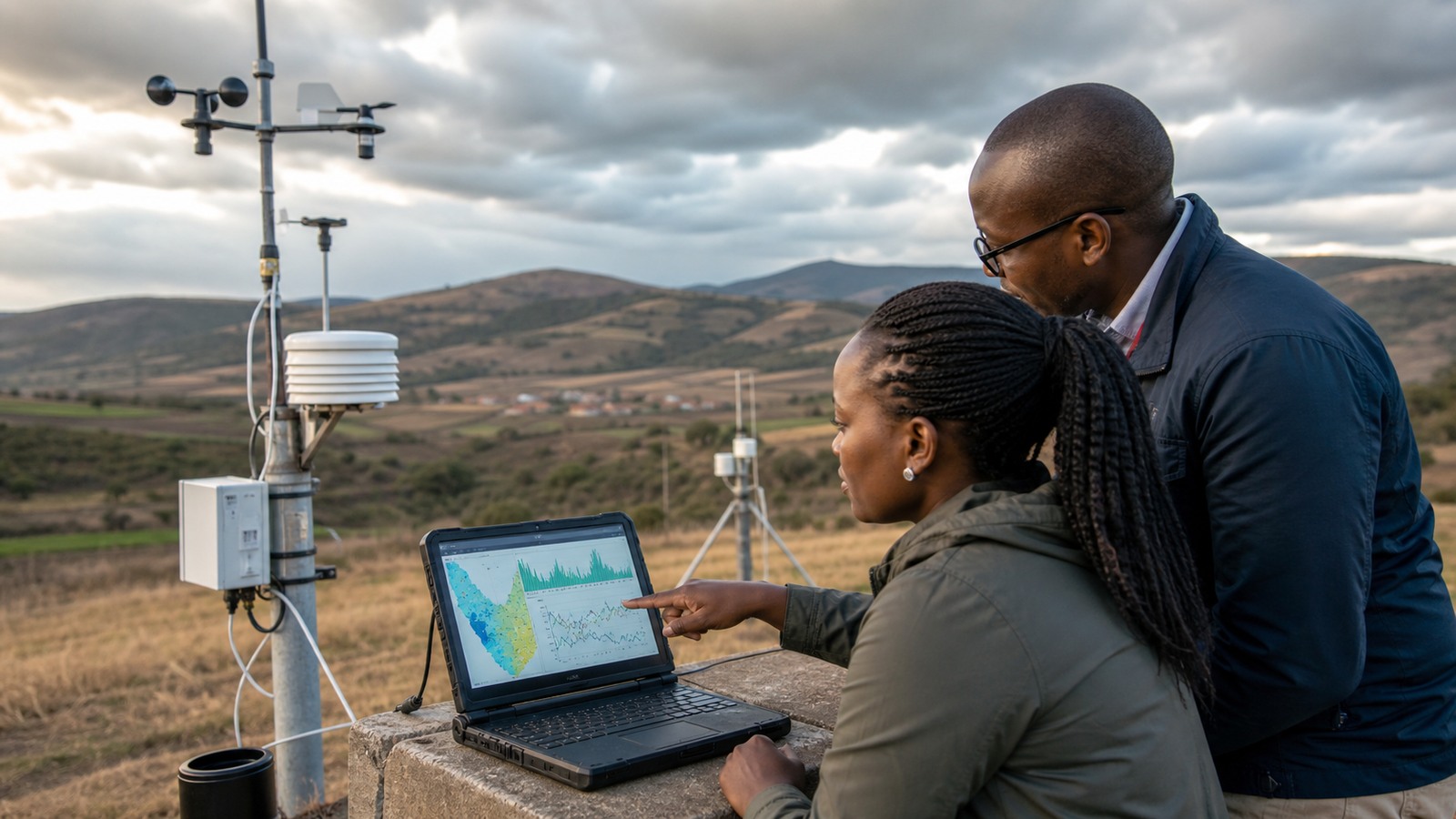
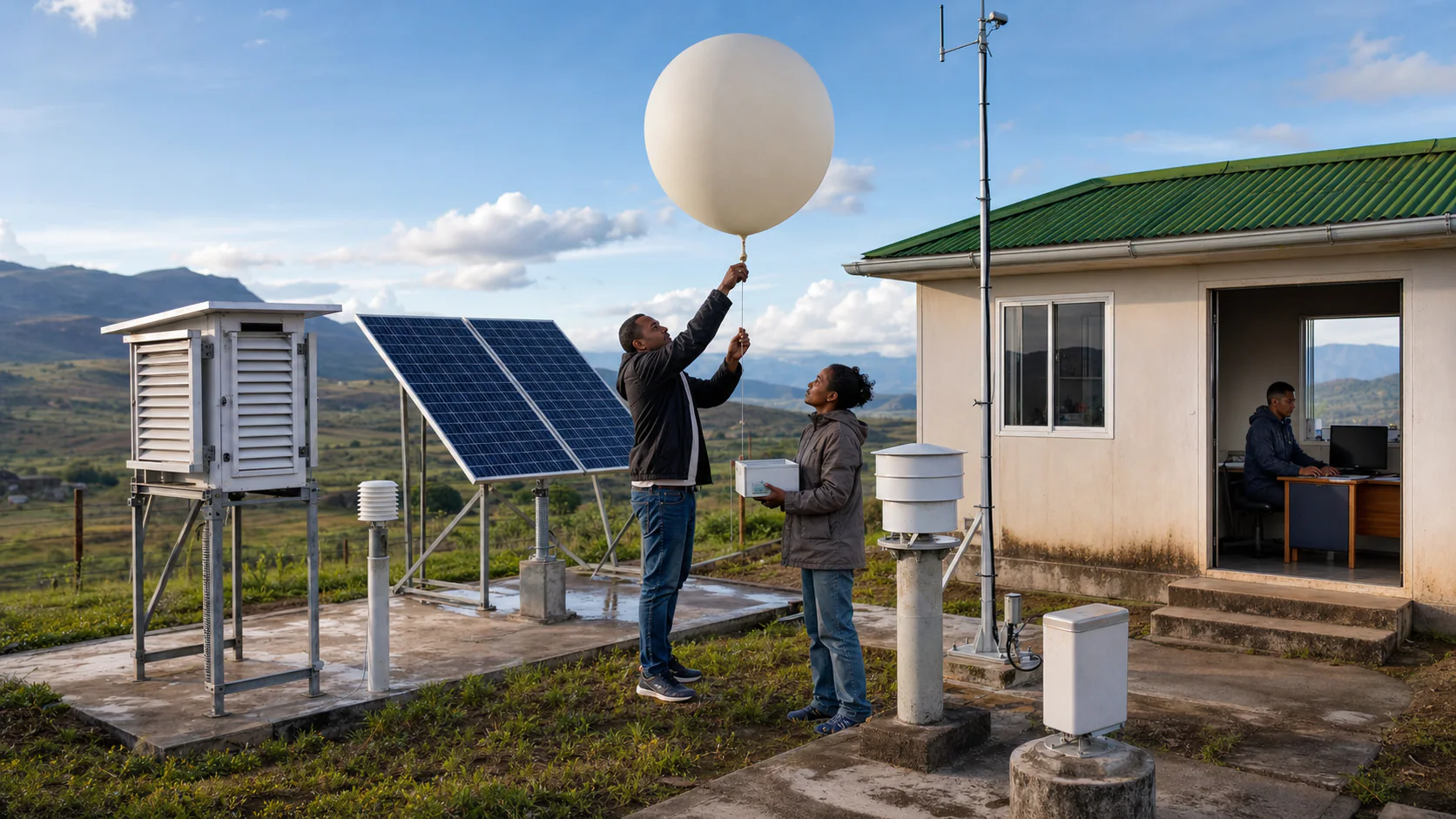
The World Meteorological Organization reported that nearly 90% of observations required by the Global Basic Observing Network remain missing across 77 least developed countries and small island developing states. A July 20 update describes Systematic Observations Financing Facility projects including Bhutan's first upper-air station, solar-backed forecasting operations in Madagascar, and site preparation for new stations in the Solomon Islands. Twenty-six countries are in the facility's investment phase, but completing installations is only the first step toward sustained data delivery.
Why it matters
Weather forecasts and early warnings depend on observations shared across borders. Filling data gaps can improve services for farmers, fishers, aviation, and disaster managers in participating countries while also strengthening the global models every region uses.
What to watch
- How many stations become operational, meet international reporting standards, and reliably exchange observations.
- Long-term funding for maintenance, power, communications, calibration, staffing, and technical training after construction.
- Evidence that the added data improve forecast skill, warning lead time, and access to usable services for exposed communities.
Sources & evidence
- SOFF in action: What it takes to strengthen global weather observationsWorld Meteorological Organization magazine article published July 20, 2026, describing observation gaps and current projects in Bhutan, Madagascar, and the Solomon Islands.
Continue learning with ACC
Explore ACC's climate resilience and early-warning guide