ACC News Brief
Resilience & Adaptation uMkhanyakude District, KwaZulu-Natal, South Africa
Hybrid model strengthens drought forecasts for a South African district
What happened
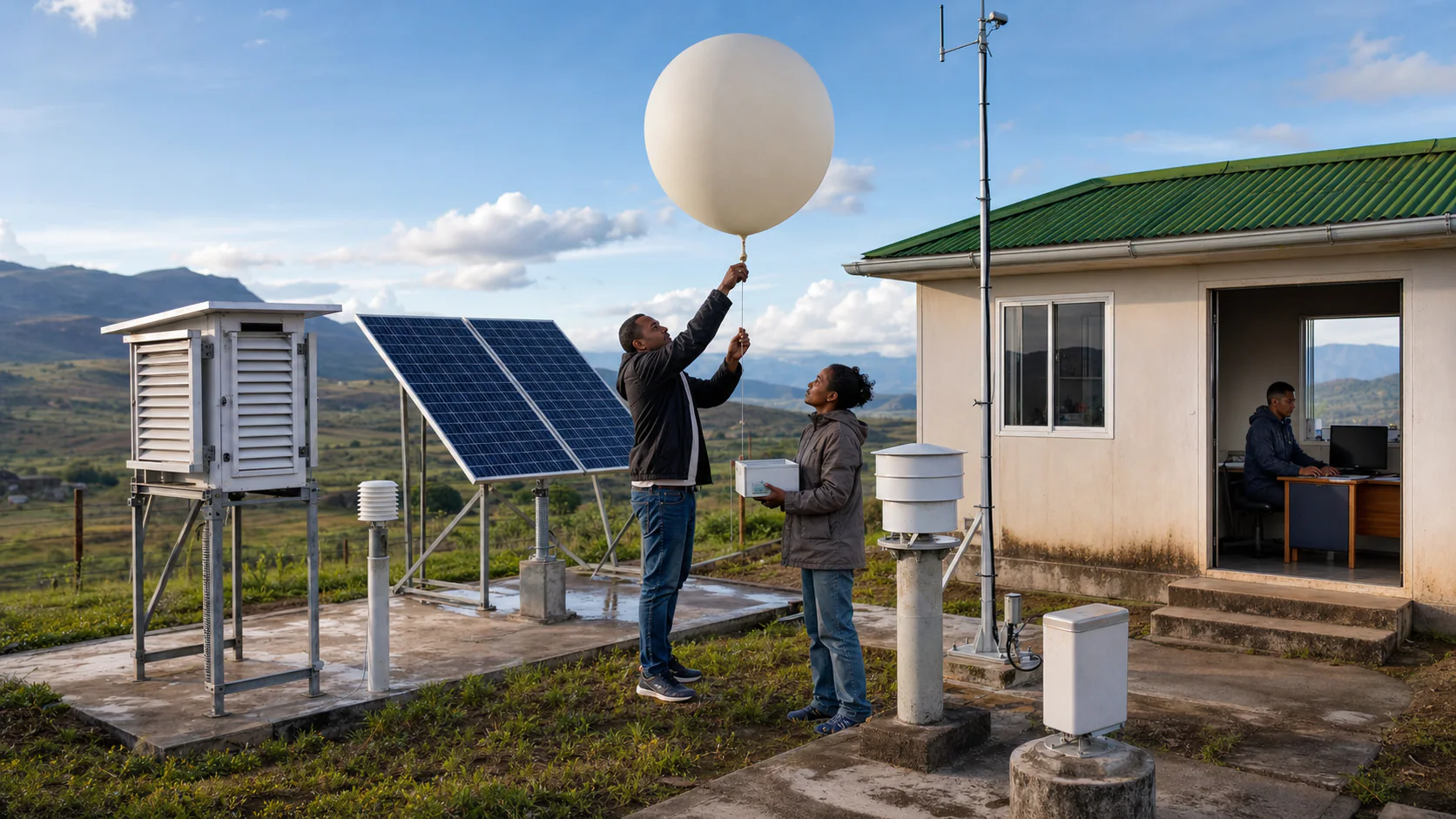
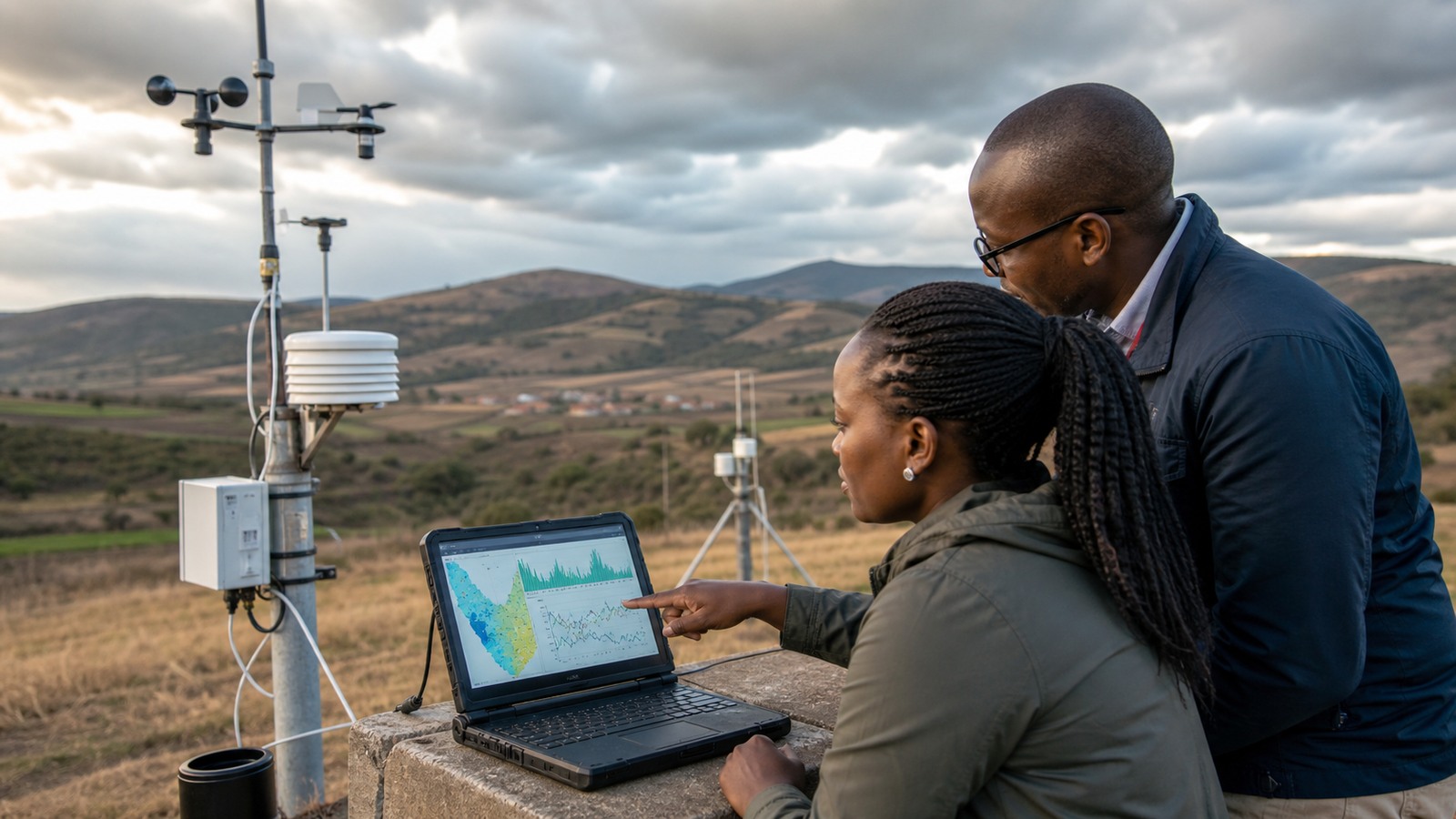
A peer-reviewed Scientific Reports study used daily rainfall records from six weather stations from 1980 through 2023 to analyze drought in South Africa's uMkhanyakude District. A hybrid model combining signal smoothing, a temporal convolutional network, and long short-term memory produced R-squared values of 0.95 to 0.99 across the study's precipitation-index time scales and outperformed the comparison models under its tests. It remains a research model that needs operational and geographic validation.
Why it matters
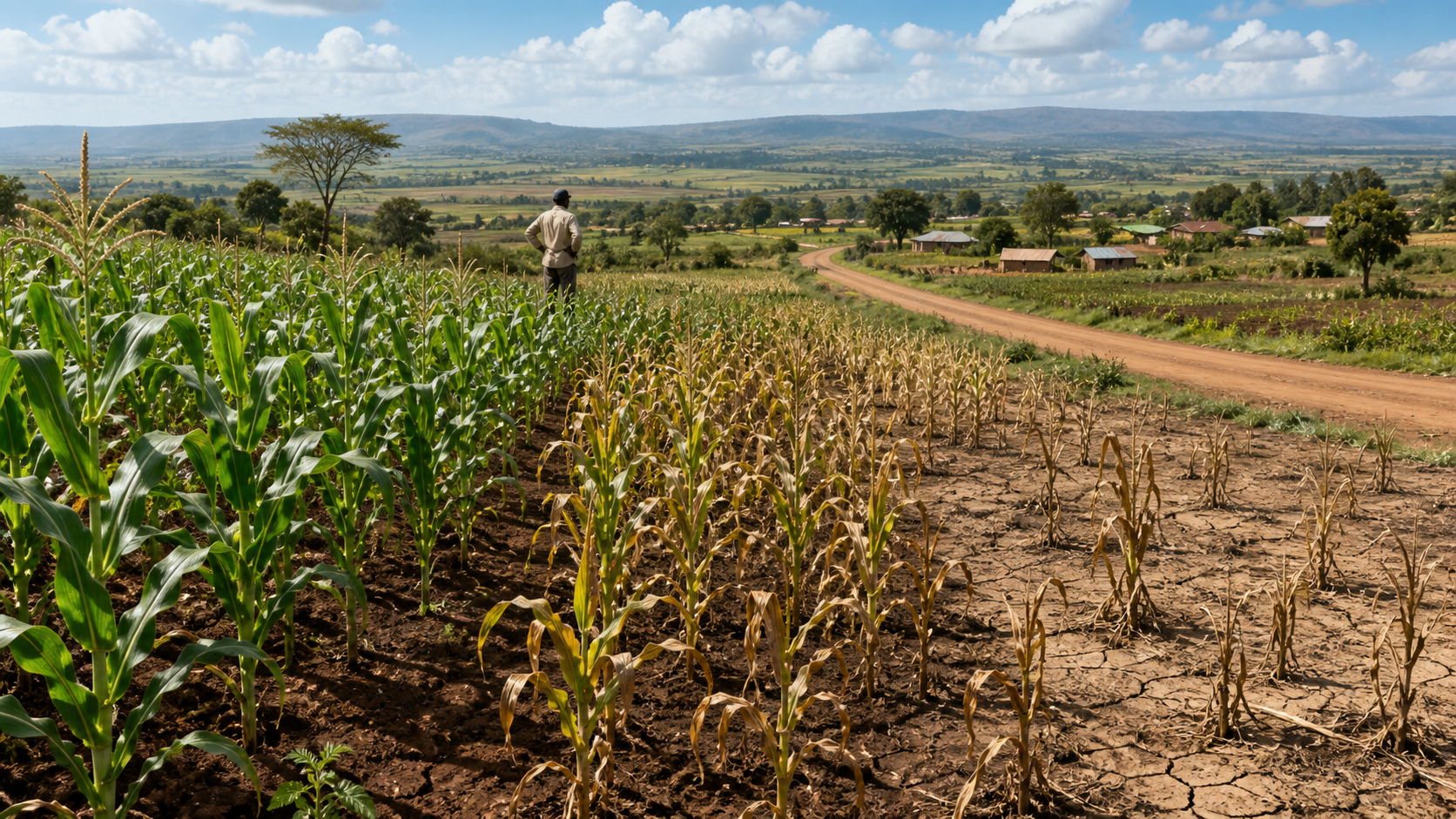
Earlier, more reliable drought warnings can help farmers, water managers, and public agencies act before shortages become emergencies. The study offers a promising tool built from long local rainfall records, while clearly identifying the next step: prove that it works reliably in real forecasting operations.
What to watch
- Out-of-sample and real-time trials using additional climate drivers, missing-data conditions, and independent weather stations.
- Co-design with local farmers and water agencies so warnings are timely, understandable, and connected to practical response resources.
Sources & evidence
- Assessing trends and forecasting meteorological drought in South Africa using Savitzky-Golay enhanced hybrid deep learningOpen-access, peer-reviewed Scientific Reports article, DOI 10.1038/s41598-026-46664-x, published April 10, 2026. The model was evaluated on historical station records; the authors call for transferability tests and operational early-warning research.
Continue learning with ACC
Explore ACC's practical climate-solutions pathways