ACC News Brief
Climate Impacts Upper Colorado River Basin, United States
Record-low snowpack forces Colorado ranchers to haul water daily
What happened
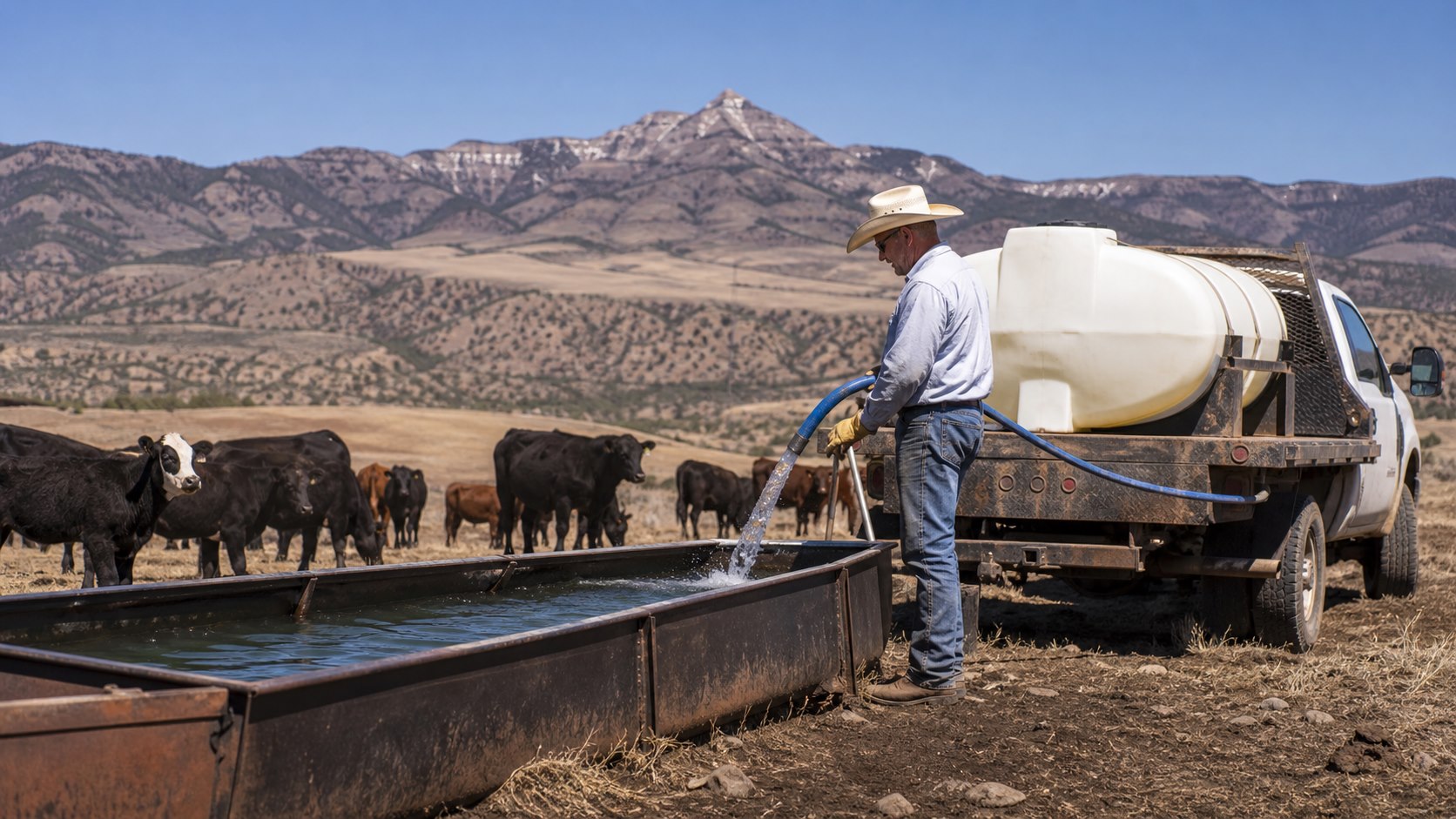
The Associated Press reported that ranchers across the U.S. Rockies are hauling water after the Upper Colorado River Basin recorded its lowest snowpack on record. At one Colorado ranch, supplying 800 cow-calf pairs required eight trips in three vehicles over nine hours. The work illustrates how reduced snowmelt can turn a long-standing water source into a daily transport, labor, and cost problem.
Why it matters
Mountain snowpack functions as seasonal water storage for farms, ranches, ecosystems, and communities. When it fails, the effects extend beyond a dry landscape to animal care, household income, road use, groundwater pressure, and the future viability of rural operations.
What to watch
- Late-summer streamflow, stock-water availability, and whether emergency hauling expands across the basin.
- State and federal drought assistance for ranchers facing higher fuel, labor, and infrastructure costs.
- Longer-term investment in water storage, grazing plans, soil health, and drought-resilient ranch operations.
Sources & evidence
- Water hauling is the new chore no rancher asked forAssociated Press report published July 25, 2026, on record-low Upper Colorado River Basin snowpack and its effects on livestock operations.
Continue learning with ACC
Explore ACC's climate resilience guide