ACC News Brief
Conservation California, United States
Prescribed fire cut giant sequoia mortality odds 77%, study finds
What happened
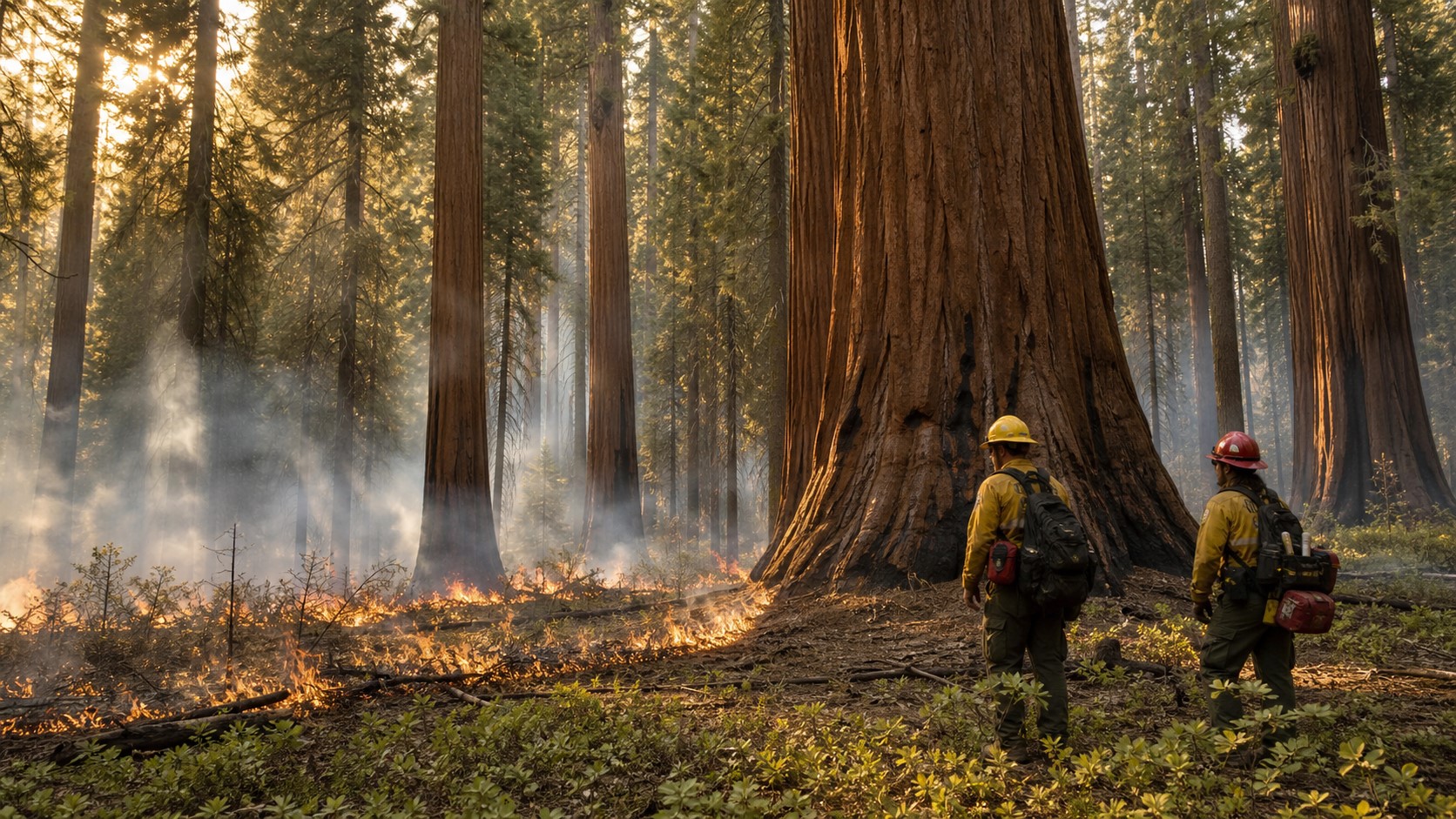
A Nature Communications study of 26,403 giant sequoias across 19 groves found that prescribed burns completed within the previous decade reduced the odds of tree death by about 77% during the 2020 Castle Fire and 2021 KNP Complex Fire. Treated trees were nearly four times more likely to survive. The researchers estimate that earlier burns prevented about 1,888 deaths and that universal treatment could have saved roughly 3,888 additional sequoias.
Why it matters
Giant sequoias evolved with fire, but decades of fuel buildup, drought, and increasingly severe wildfires can produce conditions that even ancient trees cannot survive. Carefully planned prescribed fire is one evidence-backed way to reduce surface fuels and restore a more resilient forest structure before an extreme event.
What to watch
- Whether land managers expand the pace and geographic reach of prescribed burning in giant sequoia groves.
- How smoke planning, tribal knowledge, staffing, weather windows, and community protection shape future burns.
- Long-term survival, regeneration, and habitat outcomes in treated and untreated groves.
Sources & evidence
- The best way to save giant sequoias may be more fireUniversity of California, Davis research release published by ScienceDaily on July 26, 2026, summarizing the Nature Communications study.
- Previous prescribed burns saved thousands of ancient sequoias during historically unprecedented wildfiresPeer-reviewed study record describing the 26,403-tree analysis, mortality estimates, and prescribed-fire effect.
Continue learning with ACC
Explore ACC's ecosystems and nature guide