ACC News Brief
Conservation Persian Gulf and global ports
Stranded Hormuz ships could spread invasive marine species worldwide
What happened
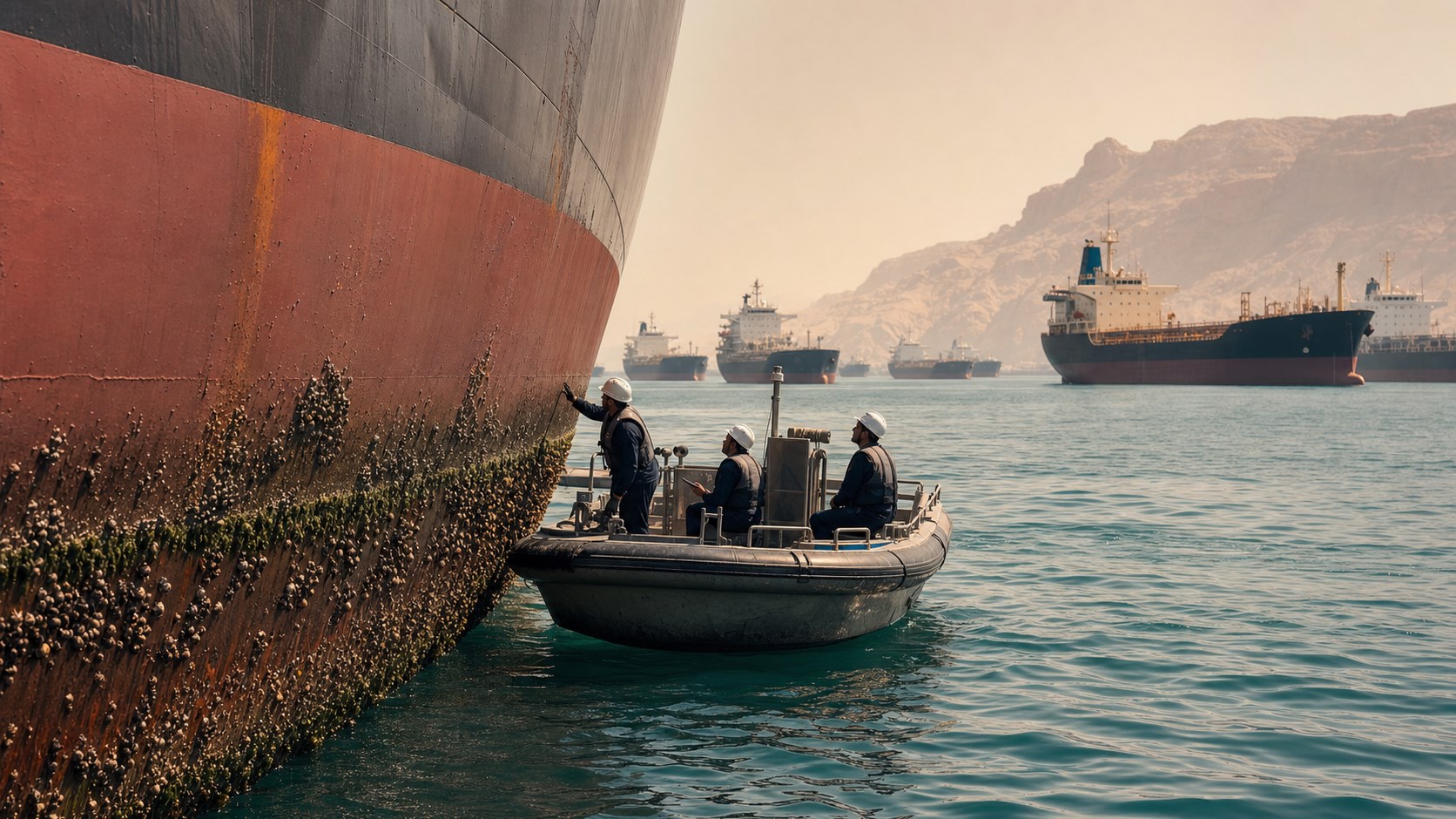
Marine biologists warn that more than 1,500 commercial vessels held in the Gulf for months can accumulate dense biofouling communities on their hulls. If shipping resumes without inspection and cleaning, barnacles, algae, mussels, microbes, parasites, and pathogens could reach ports worldwide through hulls and ballast water.
Why it matters
Invasive species can displace native wildlife, spread disease, damage reefs and seagrass, disrupt fisheries, and clog industrial cooling systems. Prevention at departure and early detection at destination are far cheaper and more effective than managing an established invasion.
What to watch
- Whether ship operators can inspect and clean hulls before vessels leave the Gulf.
- Monitoring and rapid-response plans at warm, high-salinity destination ports.
- Progress on the International Maritime Organization's planned biofouling rules.
Sources & evidence
- Ships stuck in strait of Hormuz pose 'super-spreader' biodiversity threat, scientists warnGuardian biodiversity report published July 29, 2026, citing marine biologists and International Maritime Organization guidance.
Continue learning with ACC
Explore ACC's ecosystems and conservation guide