ACC News Brief
Climate Science United Kingdom
Record-dry July leaves familiar British landscapes visibly transformed
What happened
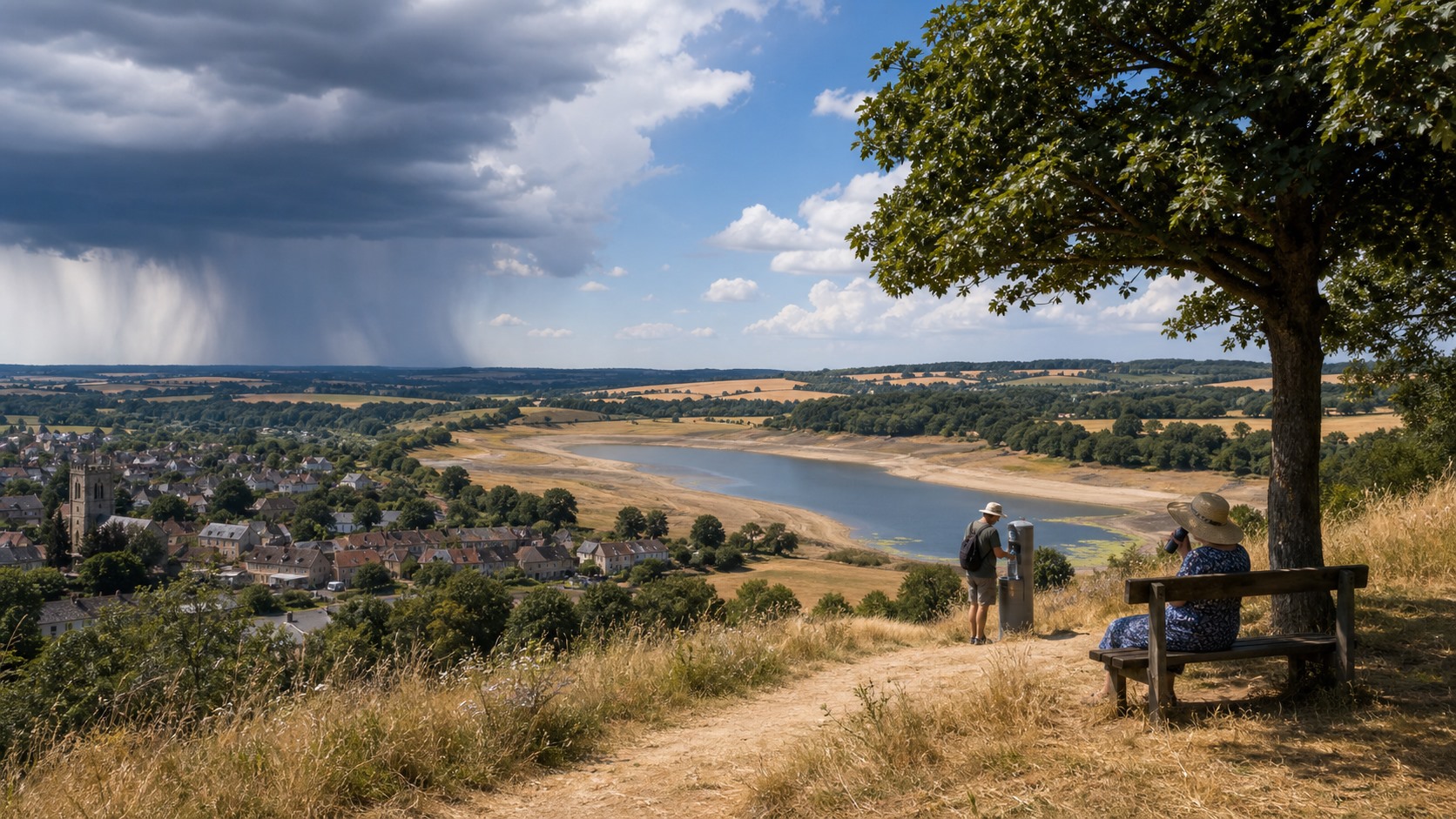
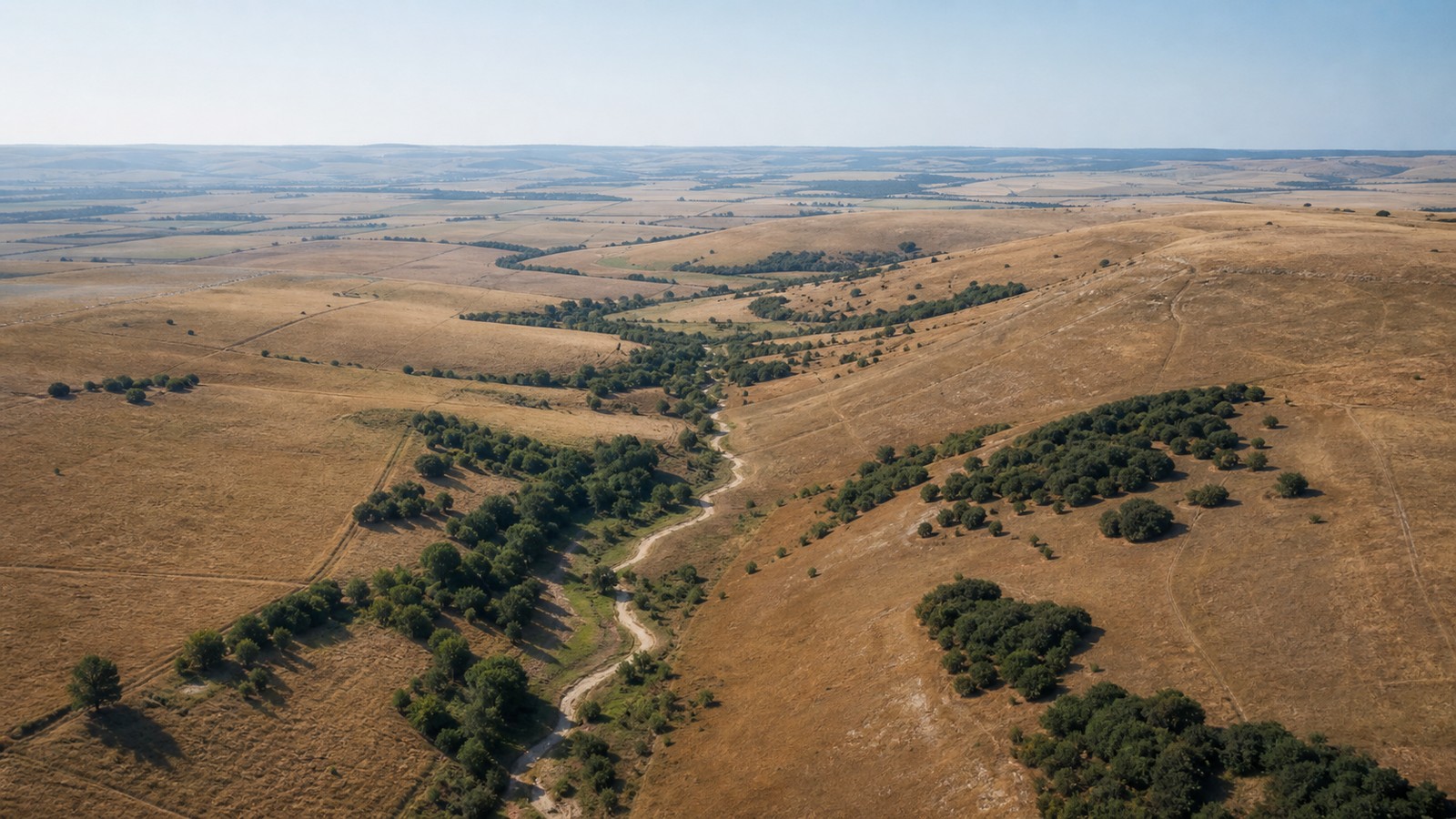
Half of England and all of Wales were in drought after repeated heatwaves and exceptionally low July rainfall turned parks, protected areas, and farmland brown. England received about 7% of its long-term average July rainfall, southern England about 1%, and the Thames at Reading reached its lowest recorded level.
Why it matters
Visible landscape change is an early signal of wider stress on soils, rivers, wildlife, agriculture, and wildfire risk. Long-term planning must pair emissions reductions with water conservation, habitat connectivity, urban shade, healthy catchments, and drought-ready public services.
What to watch
- Final Met Office rainfall records and how quickly rivers and soils respond to later rain.
- Ecological impacts in protected areas, chalk streams, wetlands, and urban green space.
- Whether drought plans incorporate projections for hotter and potentially much drier summers.
Sources & evidence
- Relentless UK heatwaves turn 'green and pleasant land' brownGuardian climate report published August 2, 2026, citing the Environment Agency, Natural Resources Wales, and Met Office projections.
Continue learning with ACC
Explore ACC's changing climate guide