ACC News Brief
Food & Nature Mongolia and Global Rangelands
WCS puts wildlife corridors at center of land-restoration agenda
What happened
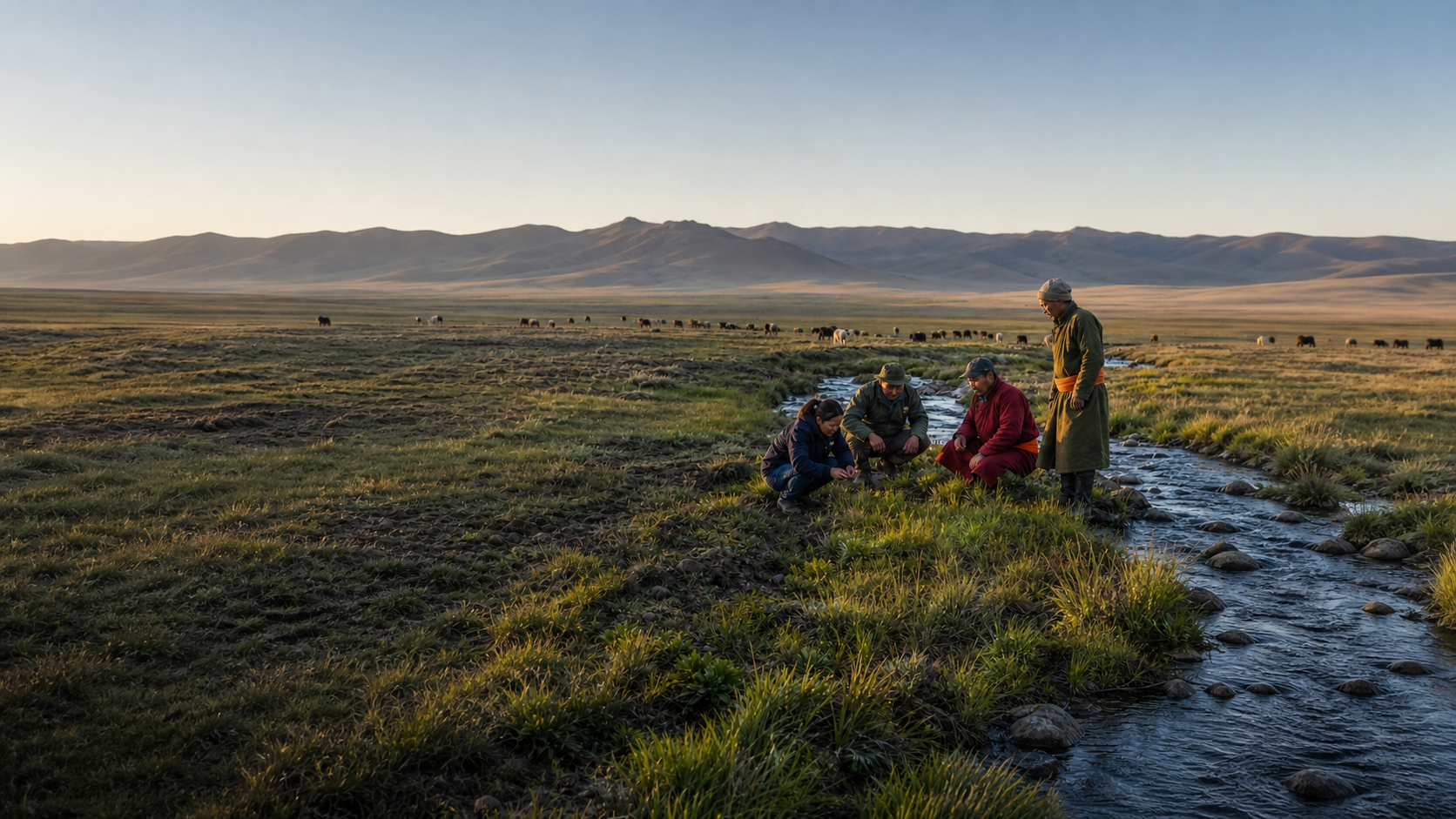
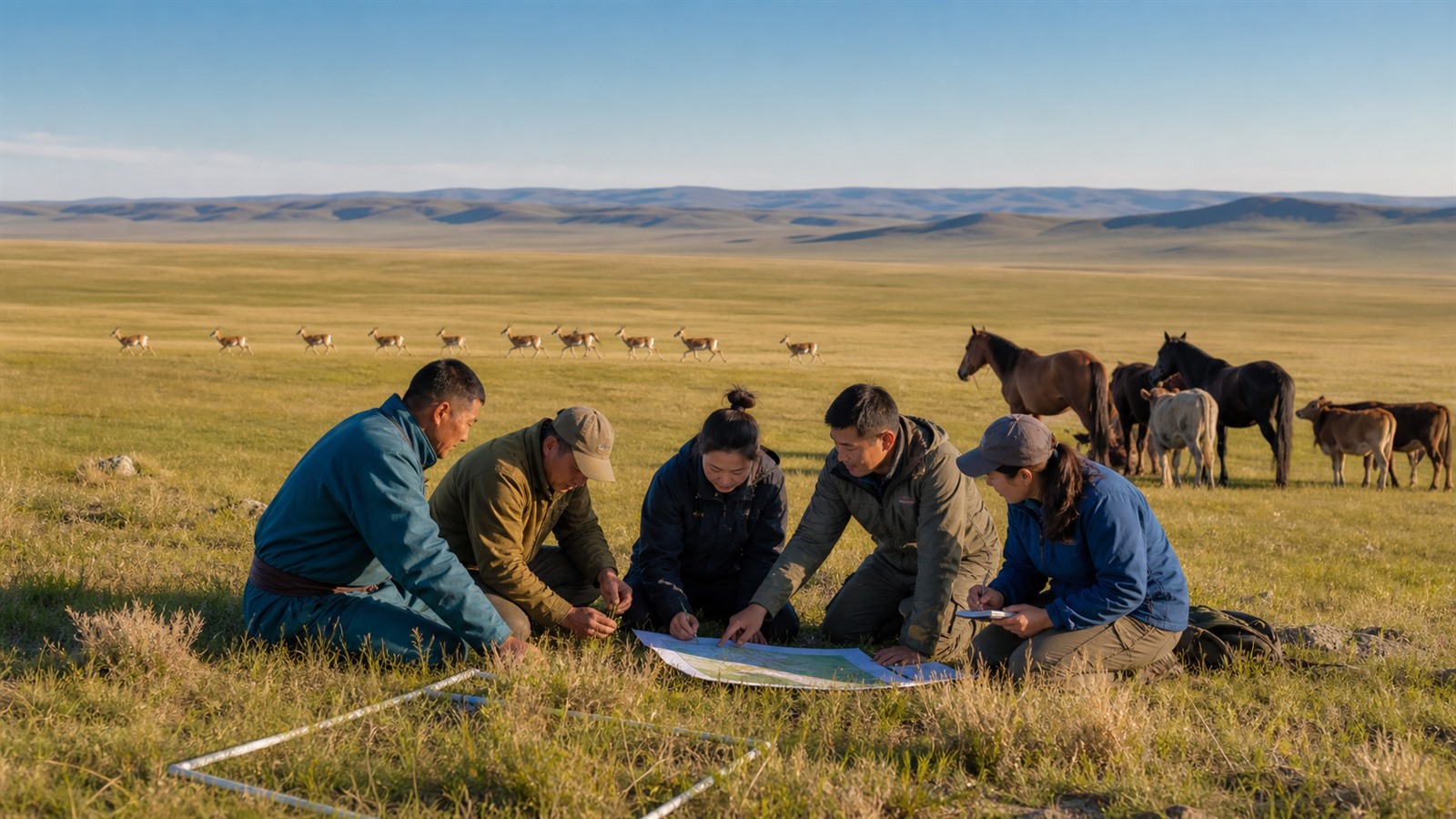
The Wildlife Conservation Society is bringing rangeland science and wildlife-conservation priorities to the UN Convention to Combat Desertification's COP17 in Mongolia. WCS says successful restoration must protect functioning ecosystems, wildlife migration corridors, climate resilience, and decision-making grounded in science and local knowledge.
Why it matters
Rangelands sustain pastoral livelihoods, store carbon, support biodiversity, and connect migratory species across large landscapes. Restoration projects can miss those functions when they focus only on vegetation totals rather than ecological integrity and the needs of people and wildlife.
What to watch
- Whether COP17 decisions explicitly protect migration corridors and intact rangeland ecosystems.
- How governments include Indigenous Peoples, pastoralists, and local communities in restoration plans.
- Whether restoration funding tracks biodiversity, livelihoods, and resilience alongside land area.
Sources & evidence
- As Global Land Degradation Accelerates, WCS Brings Science and Wildlife Conservation Expertise to UNCCD COP17 in MongoliaWildlife Conservation Society release published August 3, 2026, outlining its COP17 priorities and work across rangelands in 17 countries.
Continue learning with ACC
Explore ACC's ecosystems guide