ACC News Brief
Environmental Health New York City, United States
New York City fights order for faster sewage-overflow warnings
What happened
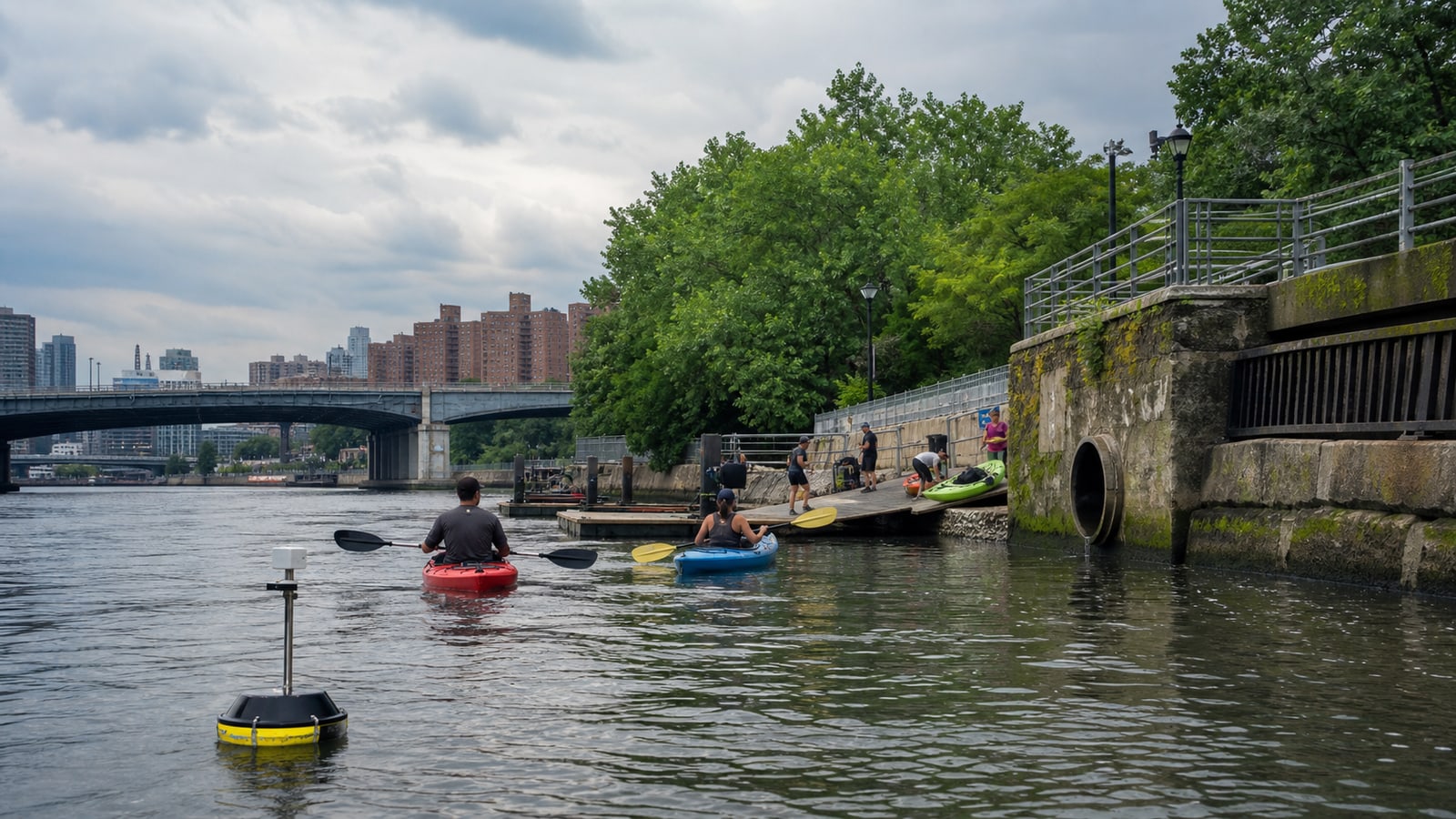
New York City agencies are appealing a court order requiring prompt public notice when untreated or partly treated sewage may enter local waterways. Inside Climate News reports that about 60% of the city's sewers combine stormwater and sewage, and state data estimate 20.25 billion gallons of combined-sewer overflow reached waterways in 2024.
Why it matters
Cleaner urban waterways are drawing more swimmers, paddlers, and anglers, but heavier rainfall can overwhelm combined sewers and create health risks that are difficult to see. Timely, location-specific alerts help people avoid exposure while long-term tunnels, tanks, green roofs, rain gardens, and marshes reduce overflow volume.
What to watch
- Whether New York's highest court takes the city's appeal and how it interprets the notification law.
- Whether alerts identify affected water bodies quickly enough for recreation decisions.
- How planned storage tunnels and green infrastructure change overflow frequency and volume.
Sources & evidence
- As More New Yorkers Use the City's Waterways for Recreation, Officials Fight Sewage Notification OrderInside Climate News report published August 5, 2026, on combined-sewer overflows, public warnings, health risks, and infrastructure responses.
Continue learning with ACC
Explore ACC's climate resilience guide