ACC News Brief
Ecosystems & Wildlife Global mountain forests
Tree water strategies help explain opposing mountain range shifts
What happened
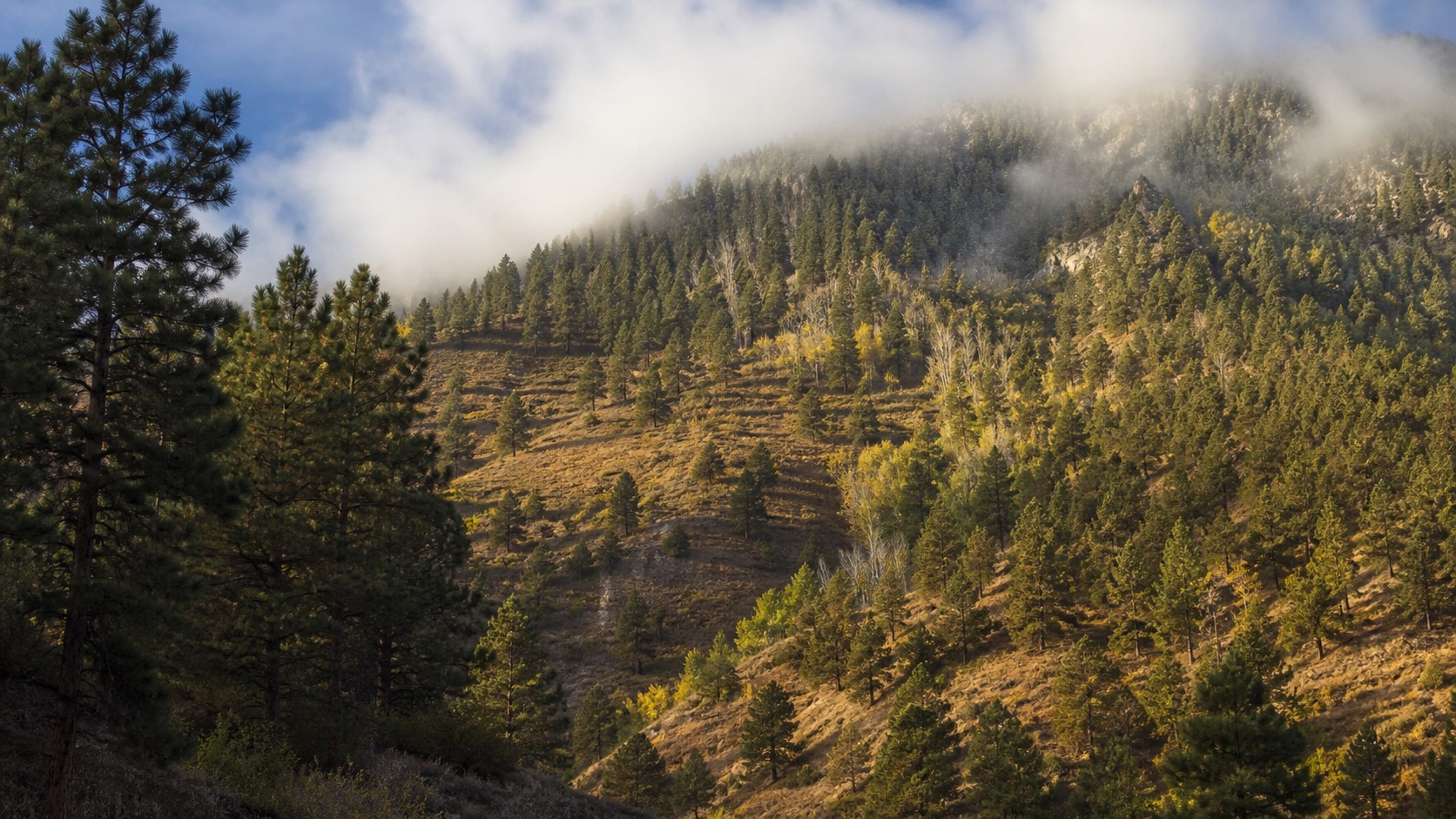
A Nature Climate Change study combined tree-ring records from more than 121,000 trees, climate-growth data from 3,057 forest sites, hydraulic traits, and observed elevation shifts across 102 mountain tree species. Species with efficient but climate-sensitive water transport tended to shift upslope faster, while more drought-protective species were more likely to persist or expand downslope.
Why it matters
Mountain forests store carbon, regulate water, and support exceptional biodiversity. The findings show that warming rate alone cannot predict where trees will move; conservation planning also needs species physiology, drought tolerance, and the shrinking area available near summits.
What to watch
- Independent tests of the hydraulic-trait framework in additional mountain regions.
- Whether high-elevation refuges become crowded or disconnected as upslope habitat narrows.
- Forest-management plans that match species selection and protection to water-use traits.
Sources & evidence
- Hydraulic traits reveal why some mountain trees move uphill while others shift downhillUniversity of Vermont report published by Phys.org on August 7, 2026, summarizing the global dataset, mechanism, and conservation implications.
- Hydraulic traits govern opposing range shifts of montane trees under warmingPeer-reviewed Nature Climate Change study underlying the reported results.
Continue learning with ACC
Explore ACC's ecosystems guide