ACC News Brief
Food & Agriculture United States
Food-waste recycling could cut climate impact but spread plastic without better packaging
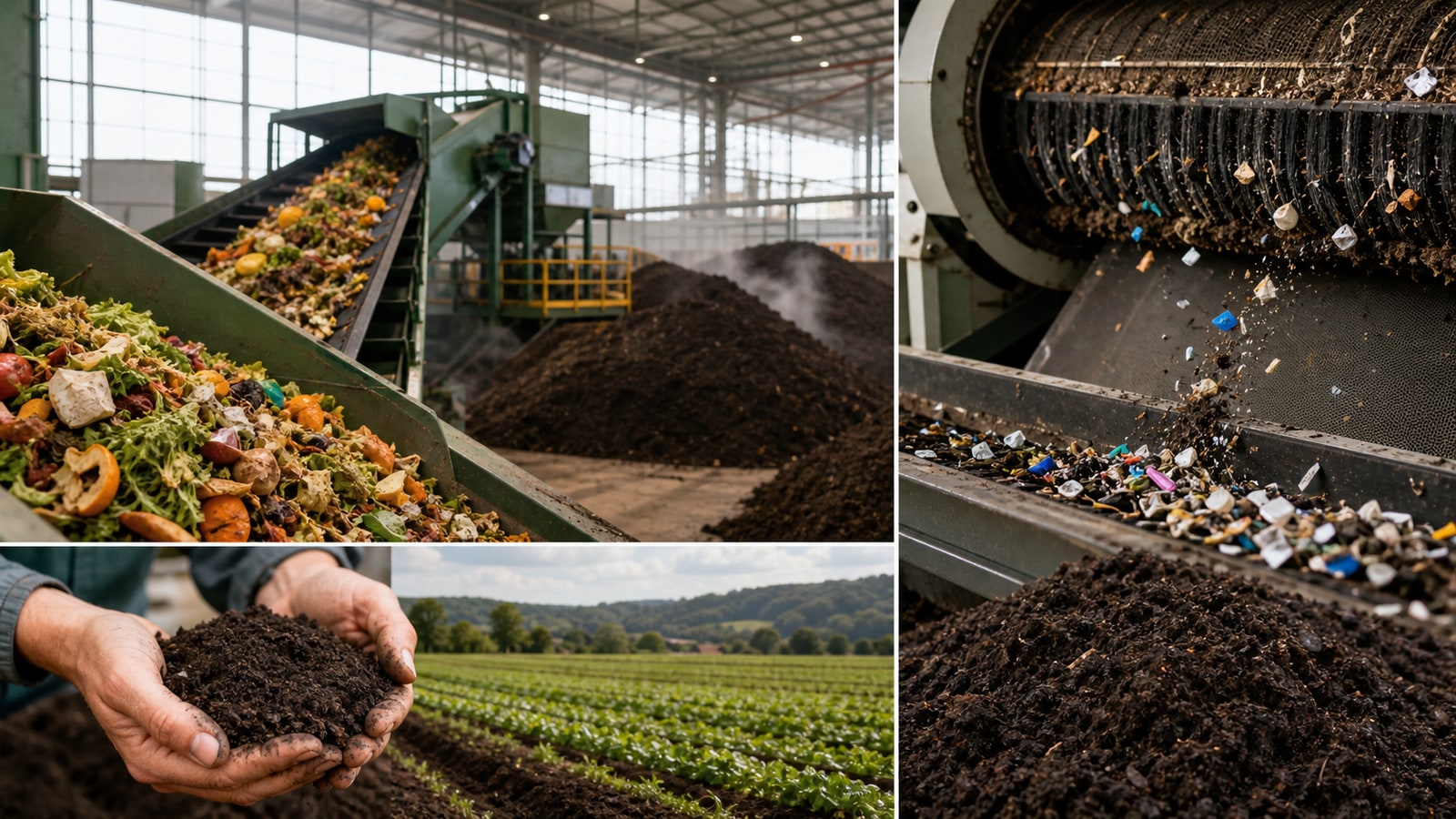
What happened
A Nature Food study modeled major expansion of U.S. food-waste recycling and estimated an 89% to 99% reduction in climate impacts compared with landfilling. The same analysis warned that contaminated compost and digestate could introduce about 20,000 metric tons of plastic into agricultural soils each year without packaging and sorting reforms.
Why it matters
Keeping food out of landfills can avoid methane and recover nutrients or energy, but a climate solution should not transfer plastic pollution into soil. These are modeled national scenarios, not measured annual outcomes, so implementation quality, source separation, packaging rules, and contamination controls determine the real result.
What to watch
- Policies that prevent plastic packaging and serviceware from entering organics streams.
- Standard contamination testing for compost and digestate before agricultural use.
- Measured methane, energy, soil, and plastic outcomes as collection programs expand.
Sources & evidence
- Plastic pollution could undermine climate gains from food-waste recyclingGuardian report published August 9, 2026, summarizing the modeled climate benefits and plastic-contamination risk.
- Plastic contamination offsets environmental benefits of food waste recyclingPeer-reviewed Nature Food study published July 23, 2026, underlying the national scenario estimates.
Continue learning with ACC
Explore ACC's sustainable living guide