ACC News Brief
Food & Agriculture Global
Healthier diets could cut farm emissions, but transition costs matter
What happened
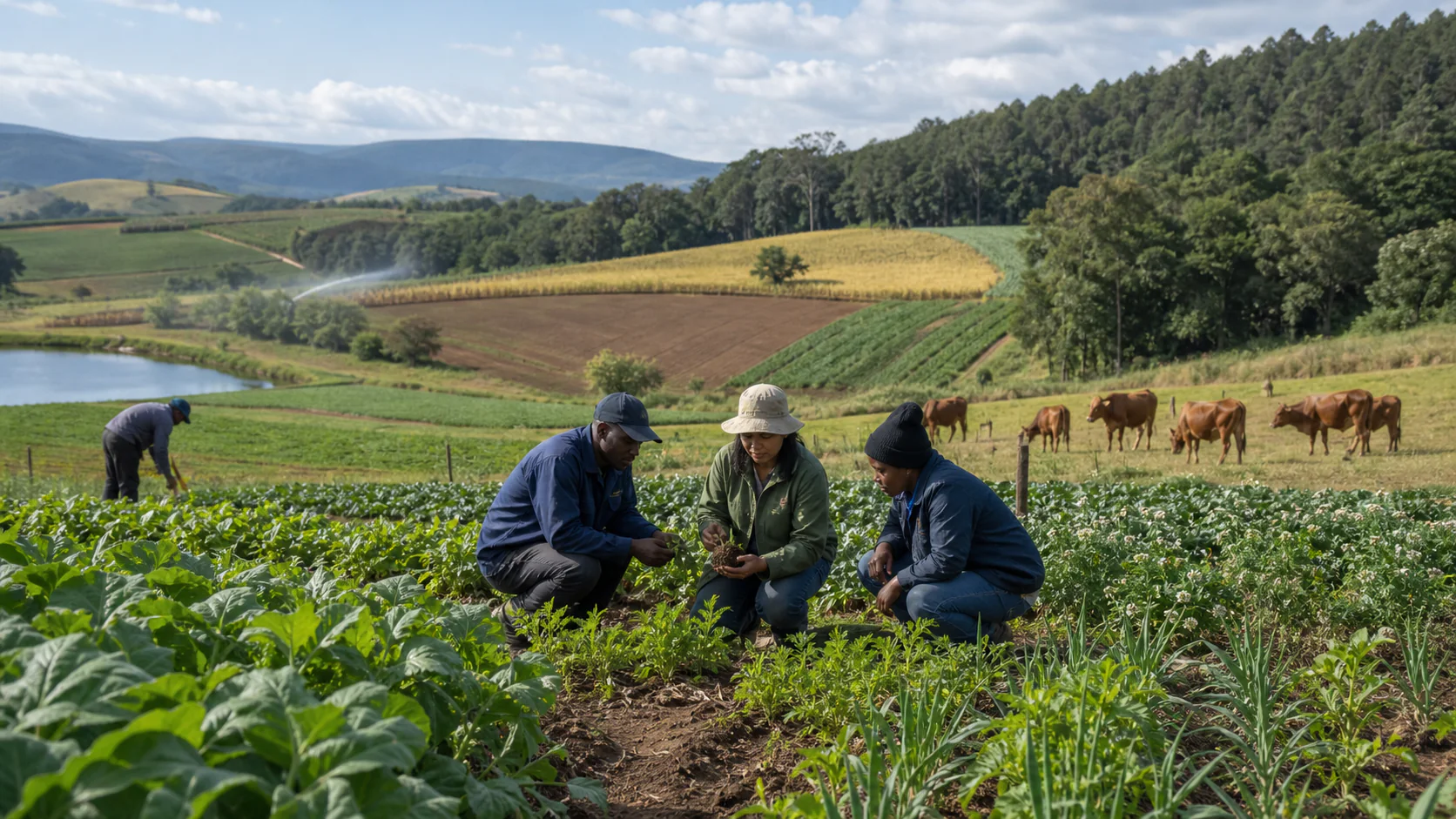
A Nature modeling study summarized by the London School of Hygiene & Tropical Medicine finds that healthier diets, higher agricultural efficiency, and less food waste could reduce net carbon dioxide emissions from land-use change by 85% relative to 2020 by 2050. The scenario also reduces farmland use by up to 6% compared with current trends, while shifting production away from livestock and toward fruits, vegetables, nuts, and legumes. This is a modeled pathway with strong assumptions, not a forecast, and the authors warn that livestock-dependent regions and workers would face major economic disruption without a just transition.
Why it matters
Food systems connect health, land, forests, methane, livelihoods, and affordability. The study shows the size of a possible climate benefit while making clear that dietary change alone is not a plan unless farmers, workers, and food-insecure households can participate fairly.
What to watch
- Policies that cut food waste and improve access to nutritious food without raising household costs.
- Just-transition support for livestock-dependent regions, small farms, and food-system workers.
- How results change when models use more realistic assumptions about consumer preferences, trade, and implementation costs.
Sources & evidence
- A healthier global diet could cut farm emissions by 85%ScienceDaily summary dated July 23, 2026, based on London School of Hygiene & Tropical Medicine research published in Nature.
- Nature study on healthy diets and food-system emissionsPeer-reviewed Nature research cited by the university summary.
Continue learning with ACC
Explore ACC's ecosystems and food-systems guide