ACC News Brief
Clean Energy United States
EIA sees rising U.S. electricity demand as solar and wind generation climb
What happened
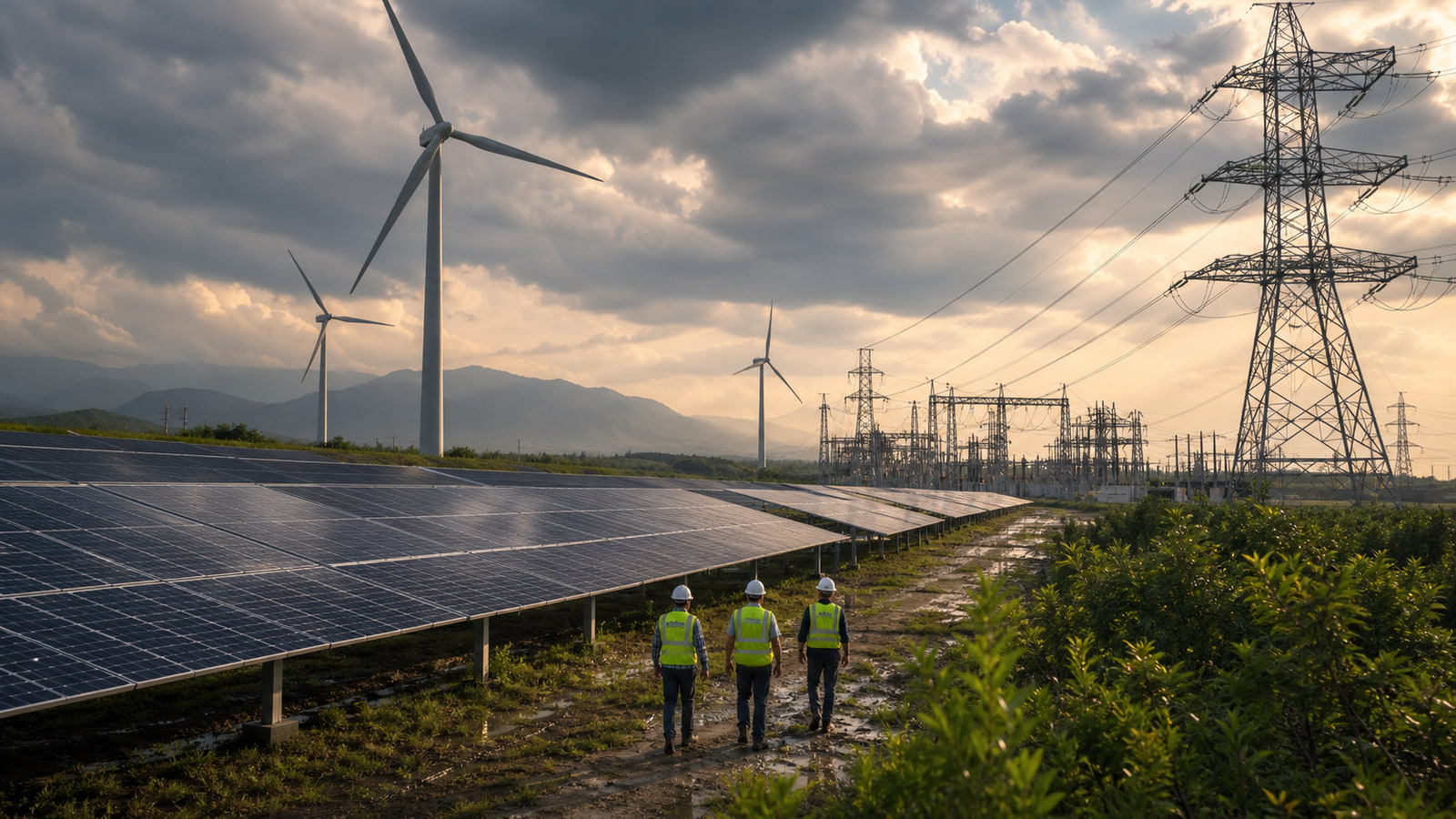
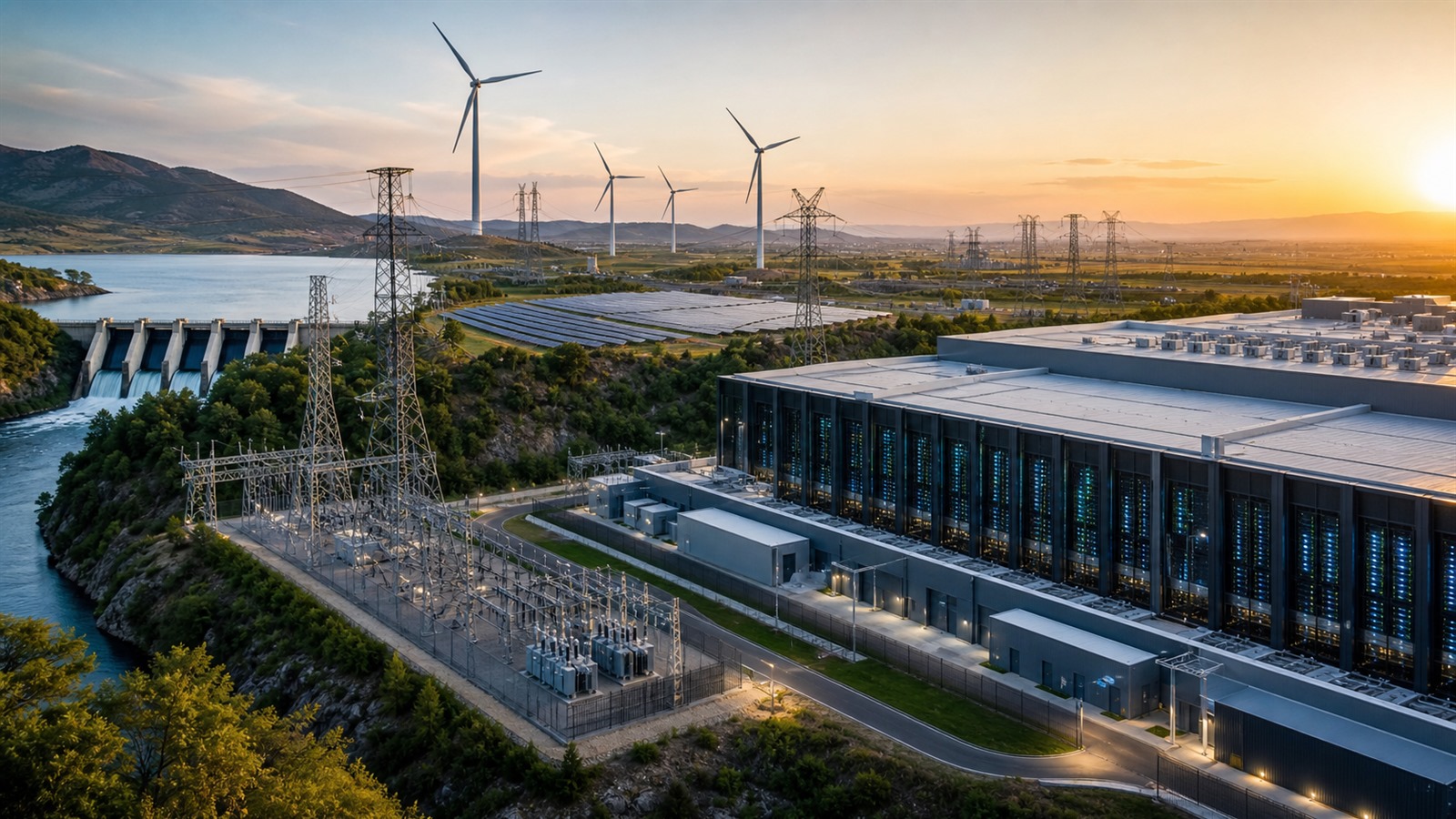
The U.S. Energy Information Administration's August Short-Term Energy Outlook projects rising electricity use, partly because of data centers. It also reports that first-half 2026 generation rose 21% for solar, 9% for hydropower, 6% for wind, 2% for natural gas, and little for coal compared with the first half of 2025.
Why it matters
Fast load growth can strain generation, transmission, and interconnection planning even while clean-energy output expands. EIA forecasts solar at 8% of U.S. generation in 2026 and 9% in 2027, but these figures are model outputs that can change with policy, projects, weather, and demand.
What to watch
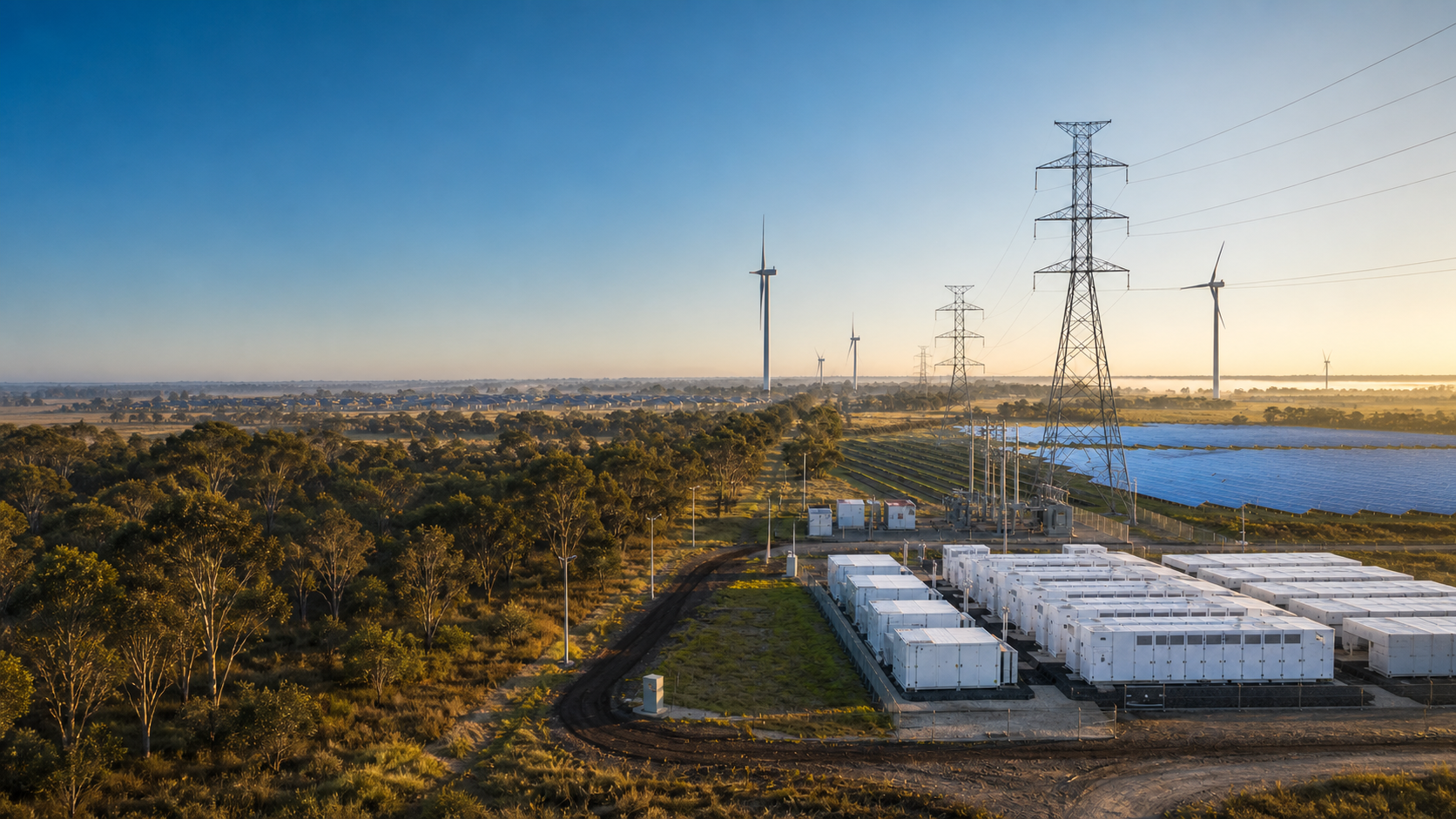
- Whether utilities can connect new generation, storage, and transmission quickly enough to meet concentrated data-center demand.
- How Texas load forecasts change after the governor's announced pause on new data-center development.
- Whether renewable generation gains reduce fossil generation or are absorbed by overall demand growth.
Sources & evidence
- Short-Term Energy OutlookU.S. Energy Information Administration outlook released August 11, 2026; forecasts were completed August 6 and remain subject to revision.
Continue learning with ACC
Explore ACC's AI and data-center energy guide