ACC News Brief
Climate Resilience Nepal / China-Nepal border region
Ongoing disaster - casualty figures and the proposed initiating trigger remain preliminary
Nepal flood disaster exposes cascading mountain-warning gaps
What happened
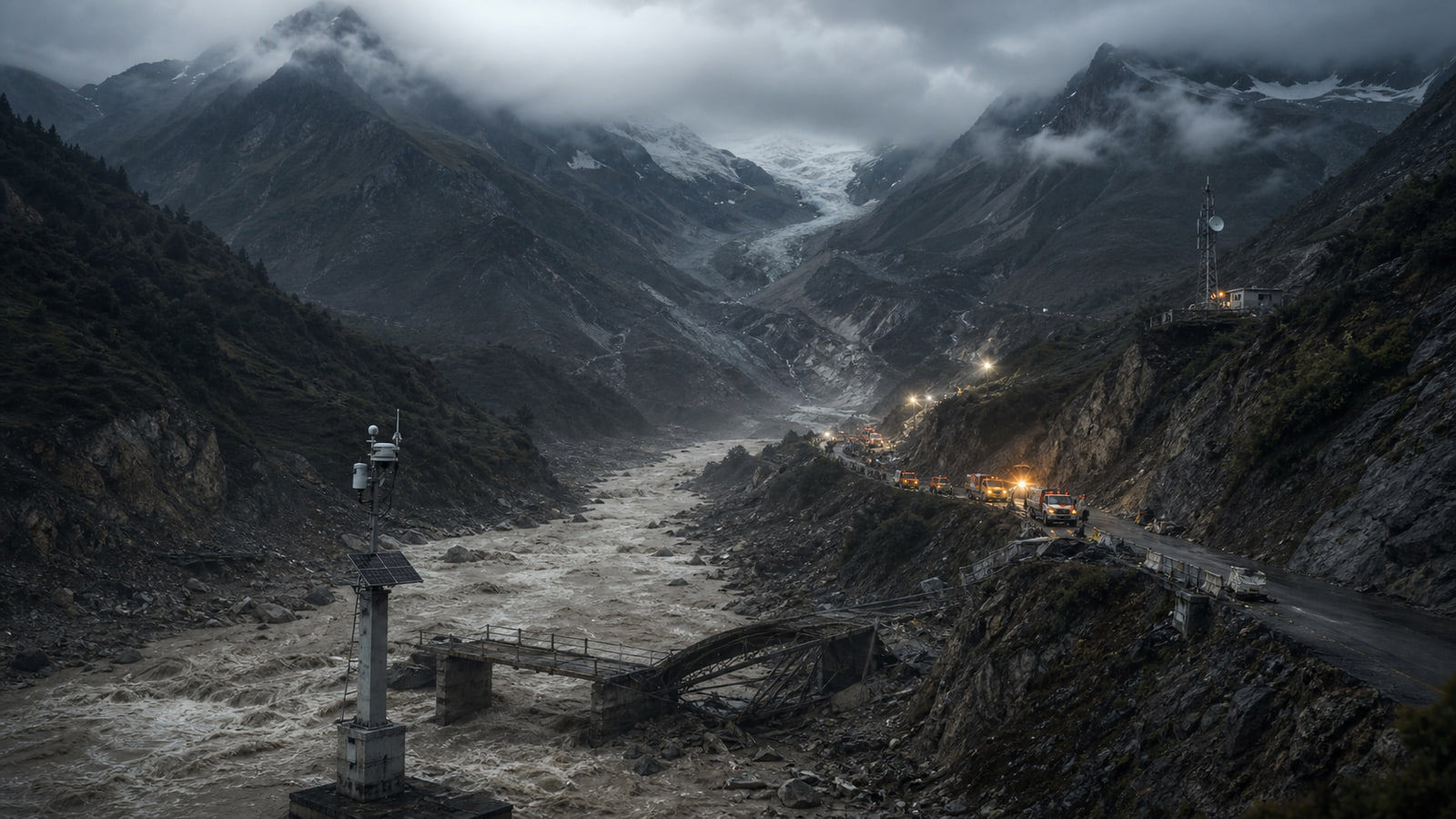
A devastating August 26 flash flood in Nepal triggered a major rescue and relief operation. Nepal's disaster authority reported 359 bodies recovered and 73 people injured as of 6:20 p.m. local time on August 27, while about 10,000 households needed immediate relief. WMO said investigators were examining whether an ice-rock avalanche and temporary landslide dam produced the sudden surge; that trigger remained preliminary, and search operations were ongoing.
ACC context
Warming is changing glaciers, permafrost, snow, and high-mountain risk across the Hindu Kush Himalaya, but this source does not establish climate-change attribution for this individual disaster. ACC separates that broader risk context from the still-unresolved event trigger.
Why it matters
High-mountain disasters can cascade from slope failure or ice instability into blocked rivers, sudden flood waves, damaged gauges, severed roads, and downstream humanitarian emergencies across borders. WMO cited a reported nine-meter river rise in 30 minutes, showing how little warning time communities may have when observation and communication systems fail.
What to watch
- Updated casualty and missing-person figures from Nepalese authorities as rescue work continues.
- The joint scientific investigation into the initiating event, including whether a temporary landslide dam formed.
- Persistent rainfall, secondary flood and landslide risk, and restoration of damaged monitoring stations and cross-border data exchange.
Sources & evidence
- Flood tragedy in Nepal highlights cross-border and cascading risksWorld Meteorological Organization update dated August 27, 2026, citing Nepal's disaster authority and clearly labeling the proposed ice-rock-avalanche trigger as under investigation.
Continue learning with ACC
Explore how monitoring, early warnings, infrastructure, and preparedness reduce climate risk