ACC News Brief
Climate Science Eastern Alps, Austria
Observed glacier change — the timing of a future icefall break remains uncertain
One narrow icefall still connects Austria's Pasterze Glacier
What happened
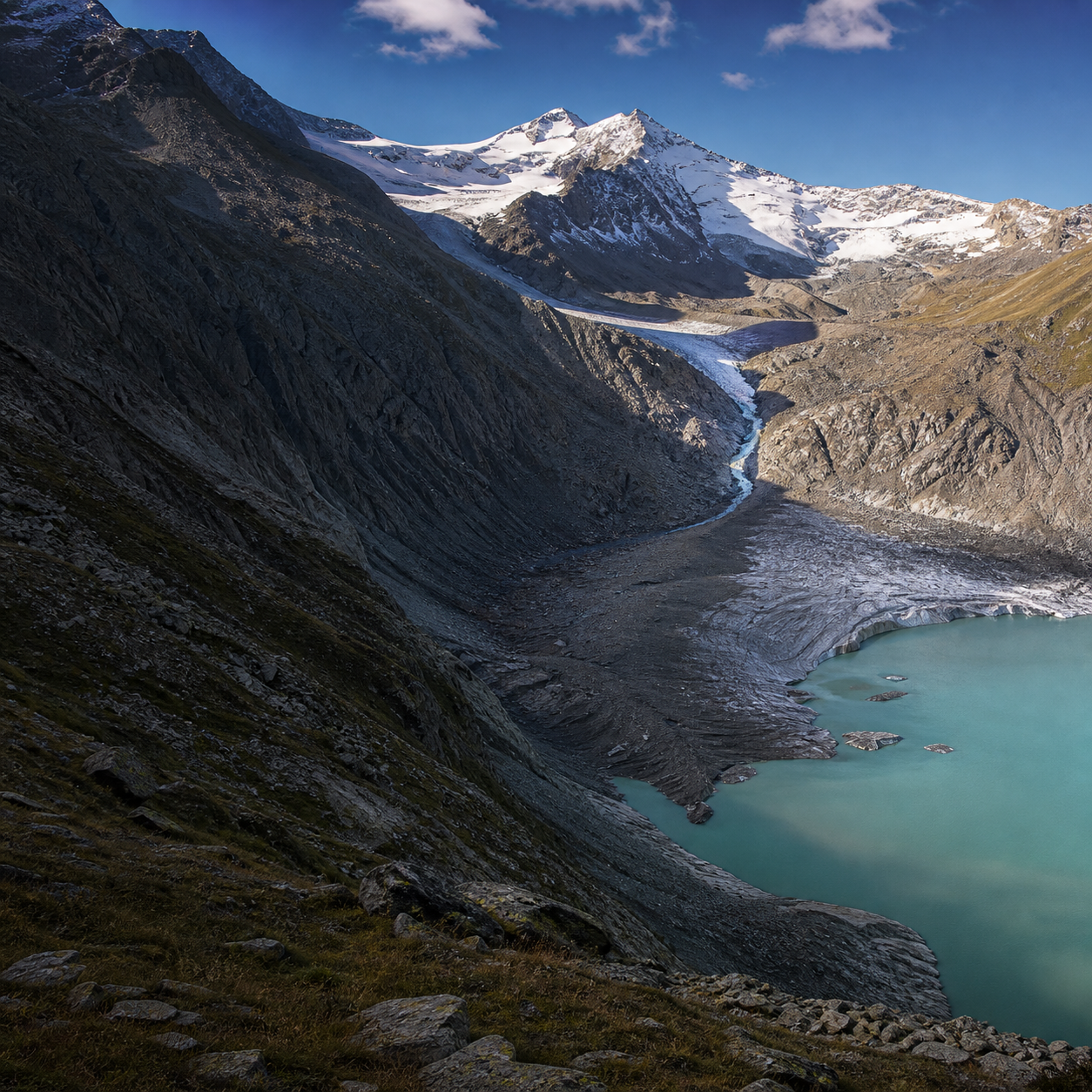
NASA Earth Observatory's comparison of Landsat imagery from 1985 and August 15, 2026 shows that one icefall now connects the upper and lower portions of the Pasterze, Austria's largest glacier. Researchers measured the remaining Hufeisenbruch icefall narrowing from nearly 900 meters in 1998 to about 120 meters in 2025. A proglacial lake now occupies terrain that was previously filled by ice.
ACC context
ACC reports the satellite and field evidence as an observed regional change. It avoids predicting a specific collapse date and does not substitute this one glacier for a global ice assessment.
Why it matters
The images and field measurements document a major physical change in an Alpine glacier that has been retreating for generations. The remaining connection was still intact in mid-August 2026, and its eventual break would change the glacier's structure, but the exact timing remains weather-dependent and uncertain.
What to watch
- Field observations of the Hufeisenbruch icefall through autumn 2026 and the following melt seasons.
- Changes in ice flow, glacier length, volume, and the growth and stability of the proglacial lake.
- Local hazard assessments, including lake evolution and the possibility of outburst flooding, without treating collapse timing as certain.
Sources & evidence
- Pasterze Hangs on as Austria's Largest GlacierNASA Earth Observatory feature dated August 31, 2026, using Landsat imagery and field measurements. It confirms the remaining icefall was intact in mid-August and describes future break timing as uncertain.
Continue learning with ACC
See how warming is changing ice, oceans, and regional hazards