ACC News Brief
Environmental Health Global Atmosphere
OBSERVATIONAL AND MODEL SYNTHESIS - health burdens remain cited estimates
WMO links wildfire smoke, heat, and ozone in its 2026 air-quality bulletin

What happened
The World Meteorological Organization's sixth Air Quality and Climate Bulletin reports that 2025 fine-particle concentrations were above their long-term average in northern Canada, parts of Russia, west-central Africa, and northwestern Spain, with fire activity a major influence. Four atmospheric-model products also showed below-average levels in China and above-average levels in India. The bulletin reviews how wildfire smoke and heat-favored ground-level ozone can erode air-quality gains.
ACC context
The geographic patterns combine observations with four modeling systems. Mortality and smoke-toxicity figures in the release come from cited studies, not a new direct WMO count.
Why it matters
Climate and air quality interact in both directions, so reducing combustion pollution, monitoring smoke, and preparing for heat-driven ozone can protect health while supporting climate goals.
What to watch
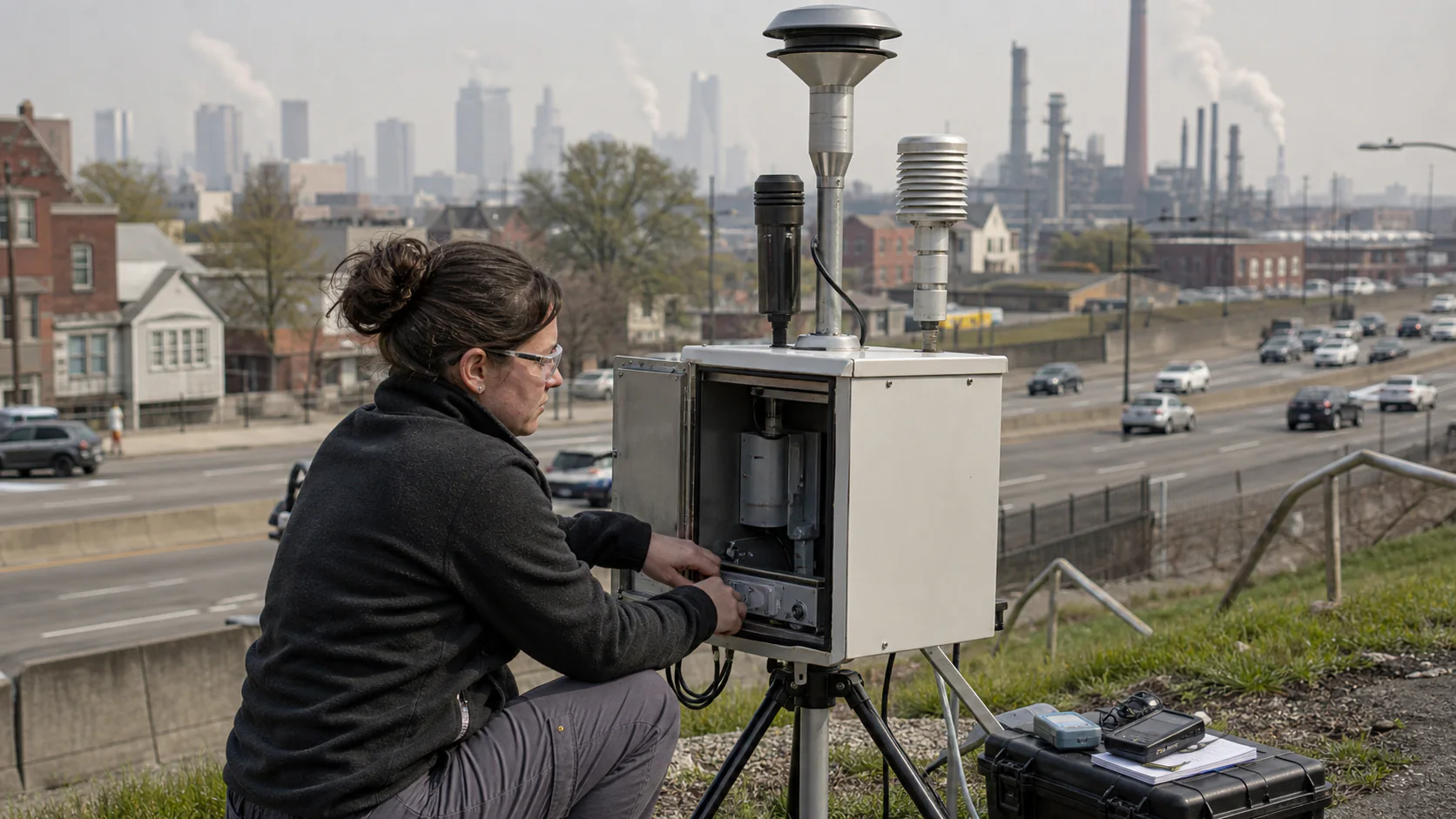
- Expanded ground and satellite monitoring for fine particles, ozone, black carbon, and atmospheric microplastics.
- Whether wildfire-smoke exposure continues to offset industrial and transport air-quality improvements.
- Policies that evaluate climate and air-quality effects together instead of shifting pollution between sectors.
Sources & evidence
- WMO bulletin shows air quality and climate interlinkagesWMO news release published September 7, 2026, summarizing the sixth Air Quality and Climate Bulletin.
- WMO Air Quality and Climate Bulletin No. 6WMO publication page for the September 2026 bulletin.
Continue learning with ACC
Learn how atmospheric pollutants affect climate and health