ACC News Brief
Resilience Global
A 373-study review estimated about 2°C of cooling from urban nature projects
What happened
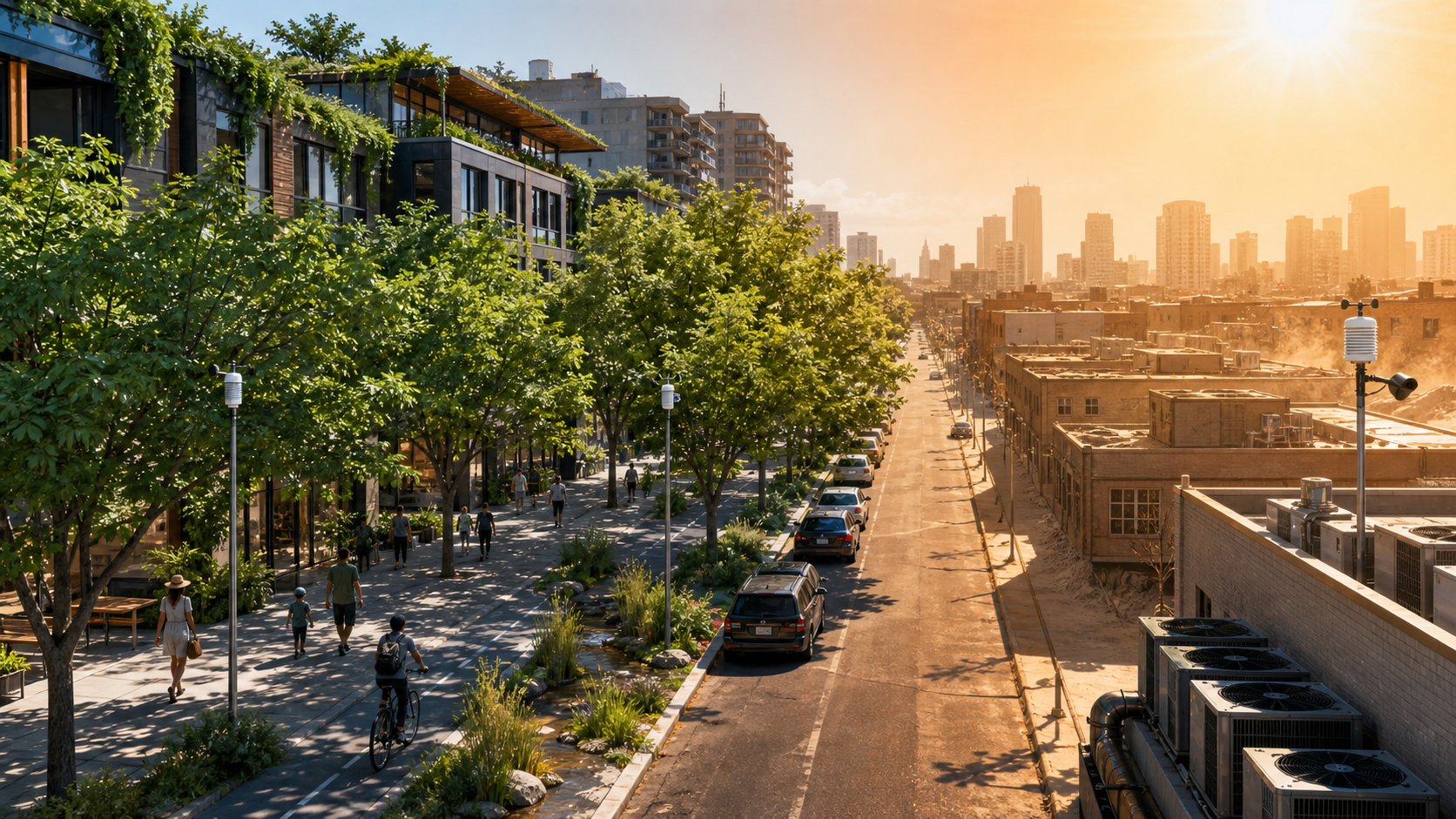
A systematic meta-analysis combined 373 peer-reviewed studies published from 2013 through 2025 across all 16 Köppen-Geiger climate zones. During hot periods, urban nature-based solutions were associated with a pooled daytime cooling estimate of 2.04 plus or minus 0.17 degrees Celsius and a 1.32 plus or minus 0.06 percent reduction in annual cooling loads. Neighborhood-scale interventions produced the largest pooled cooling estimate, while building-scale measures produced the largest pooled energy-saving estimate.
Why it matters
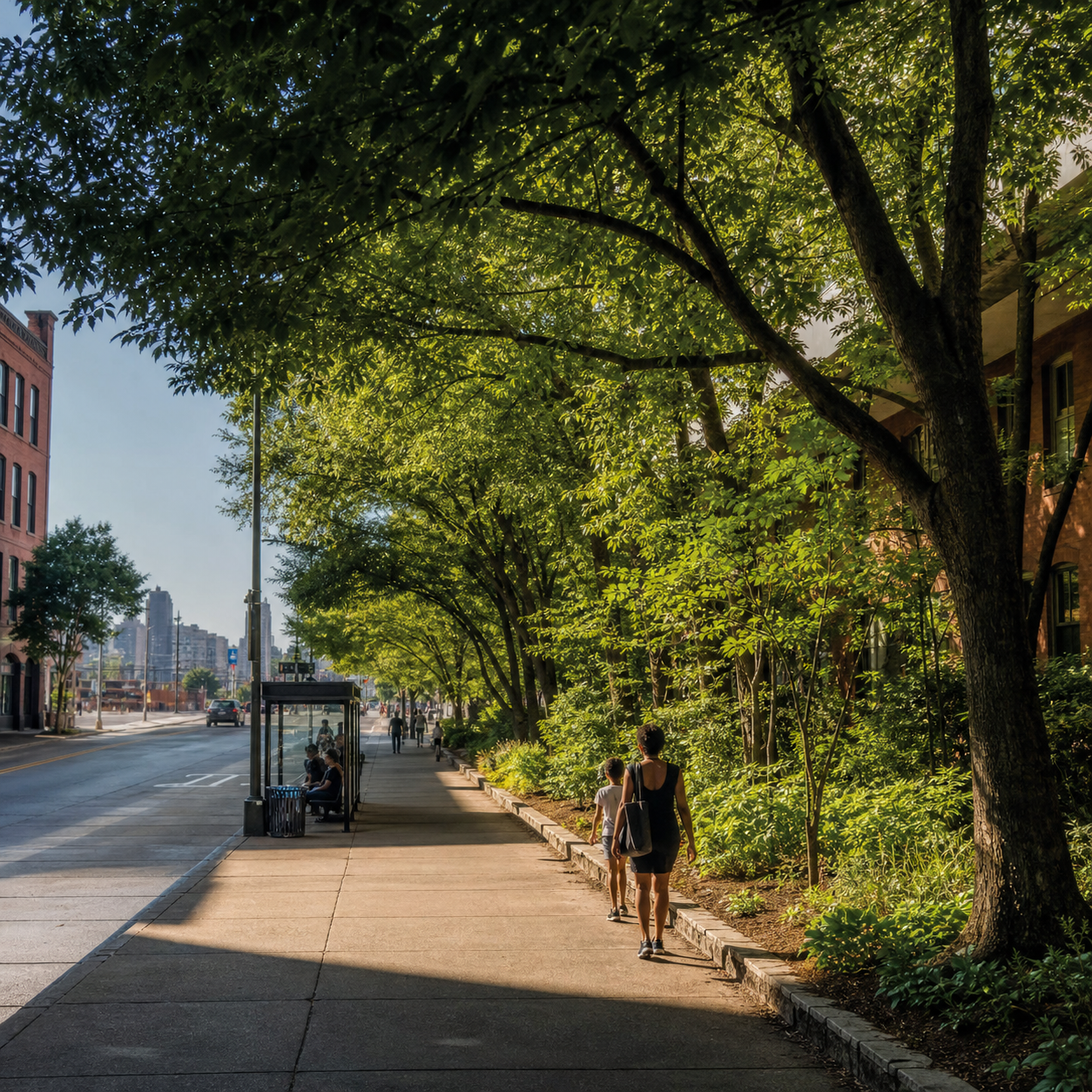
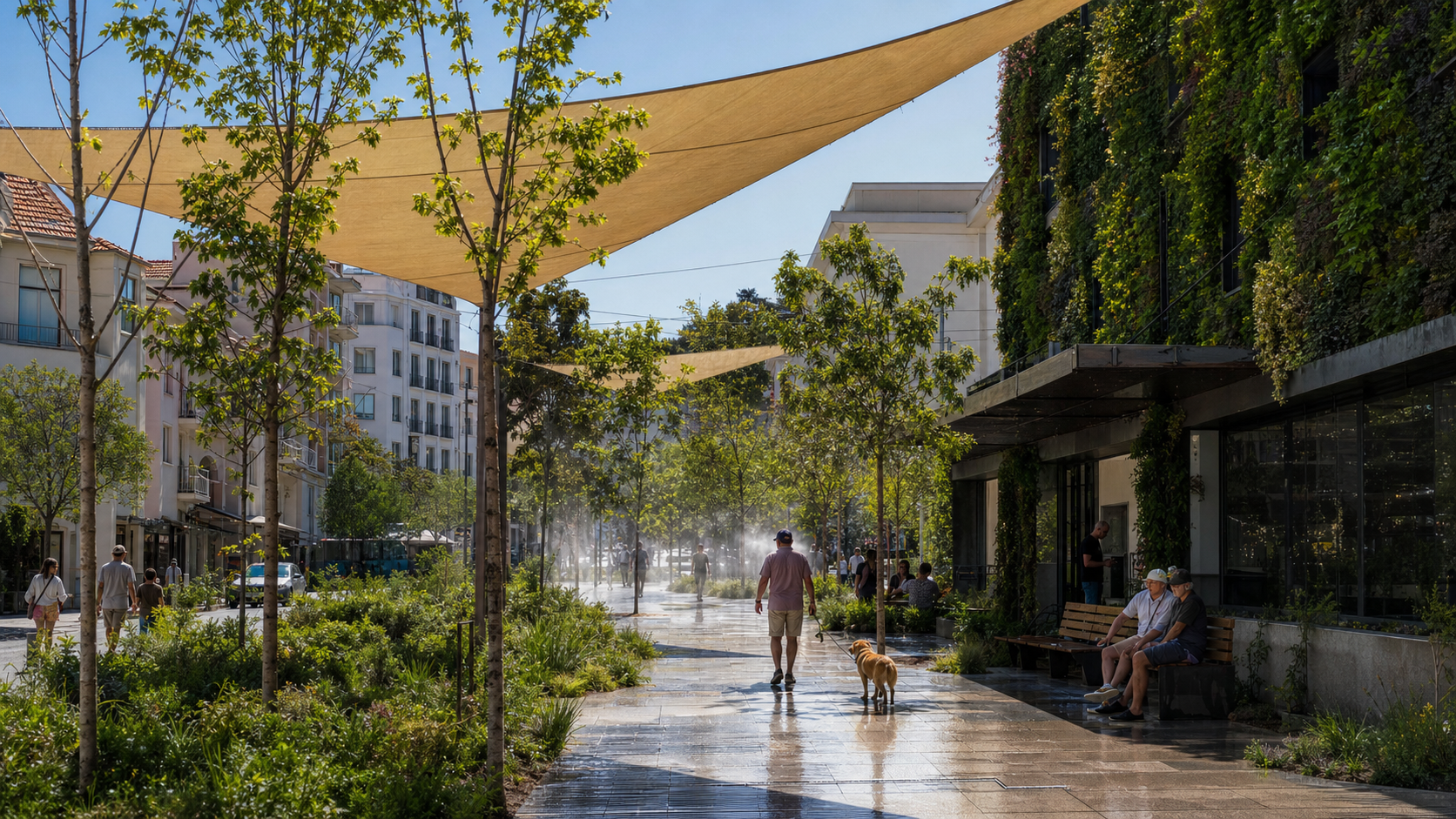
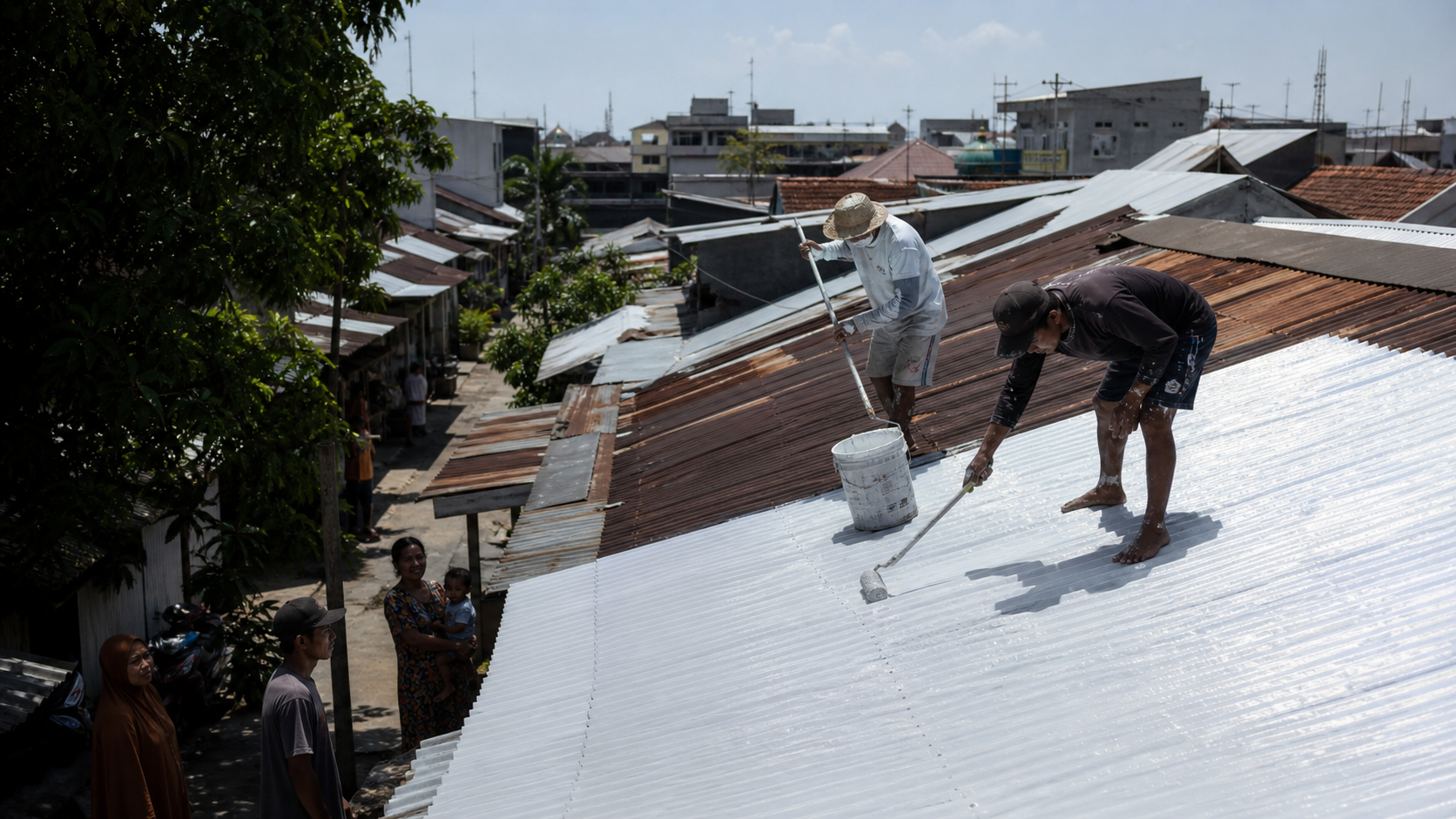
Trees, green roofs, parks, wetlands, and other nature-based measures can help cities manage heat, but their performance depends on climate, scale, design, maintenance, water availability, and who receives the benefits. This review provides comparative evidence for choosing measures that fit local conditions rather than treating every urban-greening project as interchangeable.
What to watch
- City-scale trials that measure both outdoor temperatures and actual building energy use during severe heat.
- Whether cooling benefits persist through drought, water restrictions, pests, and long-term maintenance demands.
- How cities distribute tree canopy, shade, and investment so that heat-vulnerable neighborhoods share the benefits.
Sources & evidence
- Urban cooling and energy-saving effects of nature-based solutions across types and scalesPeer-reviewed Nature Cities meta-analysis first published November 17, 2025, DOI 10.1038/s44284-025-00349-0. The reported cooling and energy values are pooled, context-dependent estimates across 373 studies, not performance guarantees for an individual project or city.
Continue learning with ACC
Learn how communities can prepare for climate hazards and build resilience