ACC News Brief
Clean Industry China
Thin water films accelerate carbon mineralization in laboratory waste tests
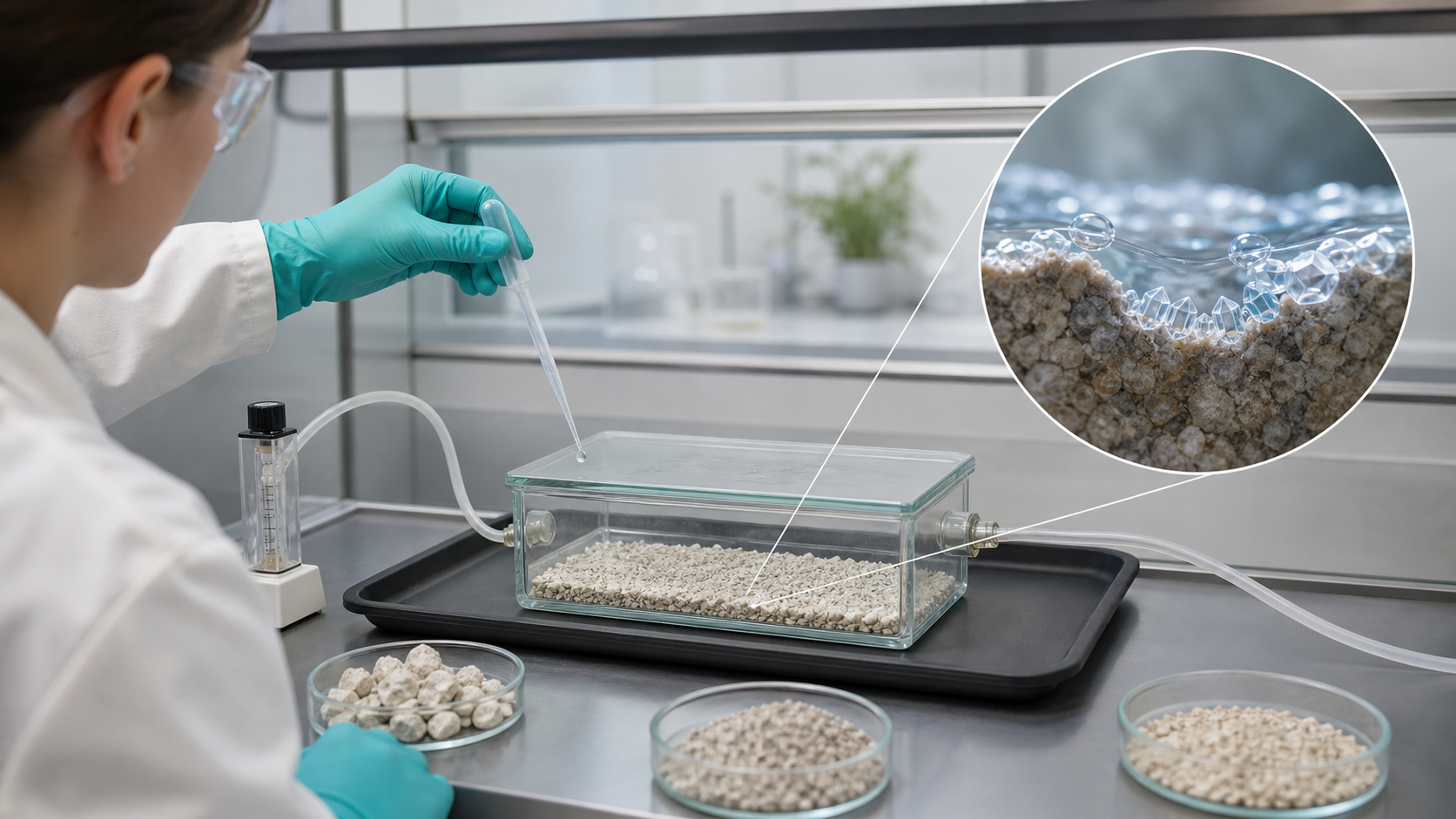
What happened
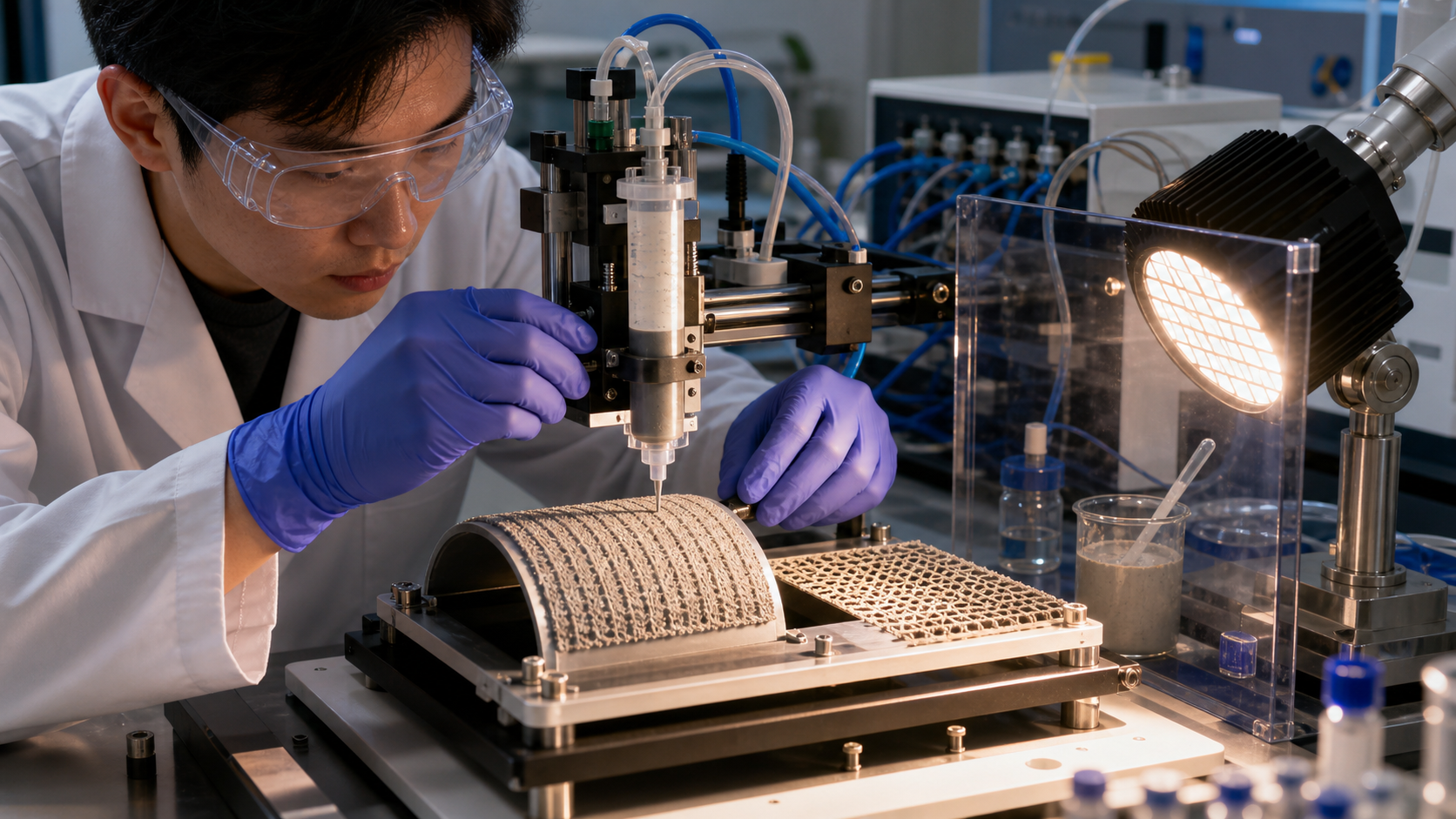
Researchers engineered an interfacial water film about eight nanometers thick on calcium hydroxide and completed laboratory carbonation within one hour, sixteen times faster than a bulk-water comparison. Tests with calcium-rich industrial residues included carbide slag that took up 314 grams of carbon dioxide per kilogram in one hour at 20 degrees Celsius and one atmosphere, but the reactor used controlled carbon-dioxide streams and the study did not demonstrate a commercial plant, net lifecycle removal, or project economics.
Why it matters
Turning carbon dioxide into stable carbonate minerals could pair durable storage with the treatment of some alkaline industrial wastes. Faster reactions and lower water use could improve that pathway, but its climate value depends on feedstock supply, gas preparation, energy, transport, contaminants, product handling, measurement, and whether the carbon is genuinely additional and durably stored.
What to watch
- Independent pilot tests with real flue gas or captured carbon dioxide, continuous material handling, variable waste chemistry, and contaminant controls.
- Full lifecycle accounting for film preparation, gas concentration, energy, water, transport, avoided waste treatment, and durable carbon storage.
- Cost, throughput, product quality, monitoring standards, and practical markets or disposal routes for the carbonated solids.
Sources & evidence
- Confinement-induced acceleration of CO2 mineralization through interfacial water thinningPeer-reviewed open-access Article in Nature Communications, published December 29, 2025, DOI 10.1038/s41467-025-67899-8; led by the University of Chinese Academy of Sciences with Central South University and Binzhou Institute of Technology collaborators. Results combine bench experiments and molecular simulations; ambient temperature and pressure do not mean the main one-hour result used untreated outdoor air, and no operating industrial removal system was demonstrated.
Continue learning with ACC
Explore ACC's climate solutions pathways