ACC News Brief
Clean Energy Canada
Neutral zinc-air battery runs 1,800 hours in ambient air in lab test
What happened
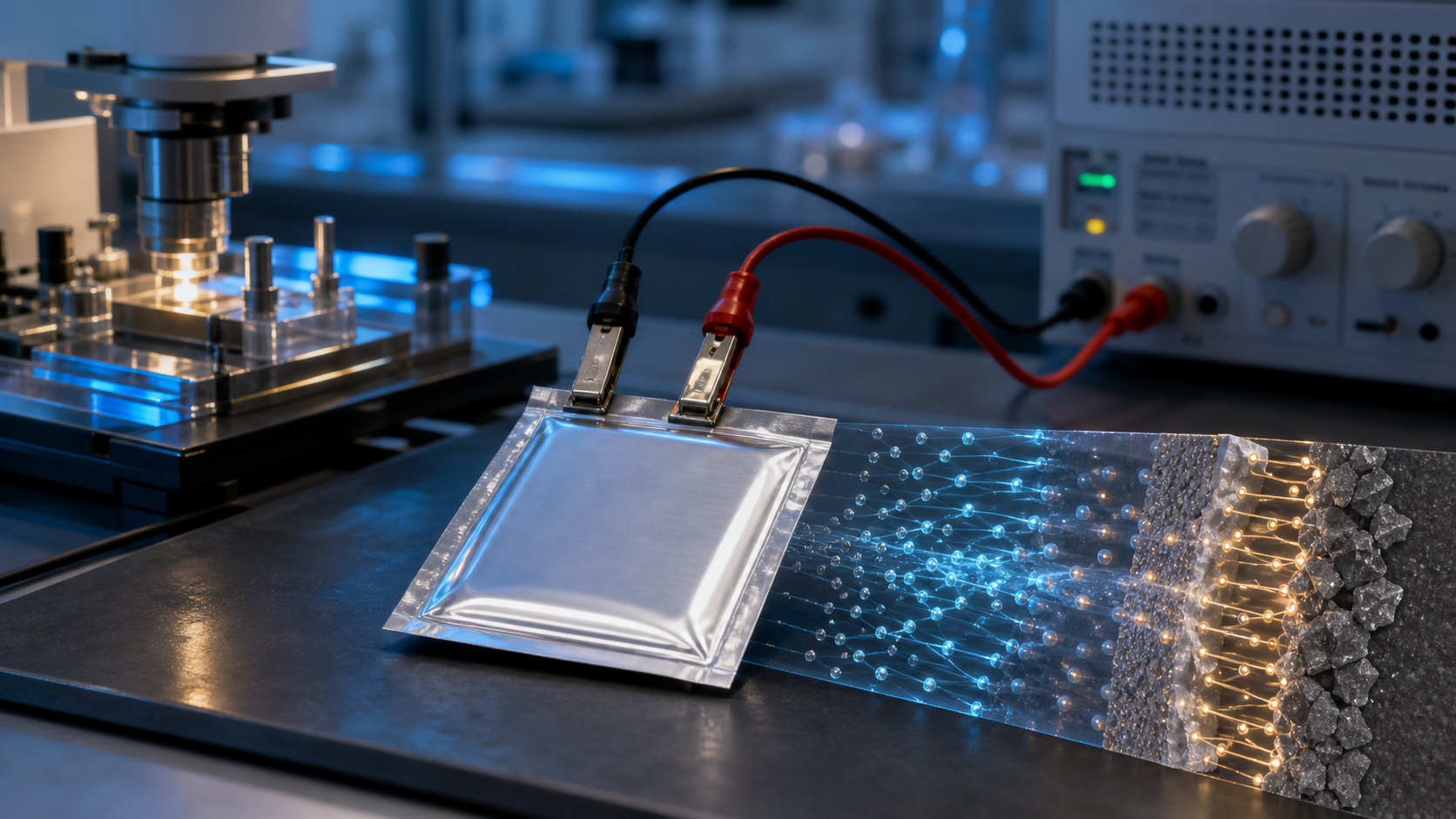
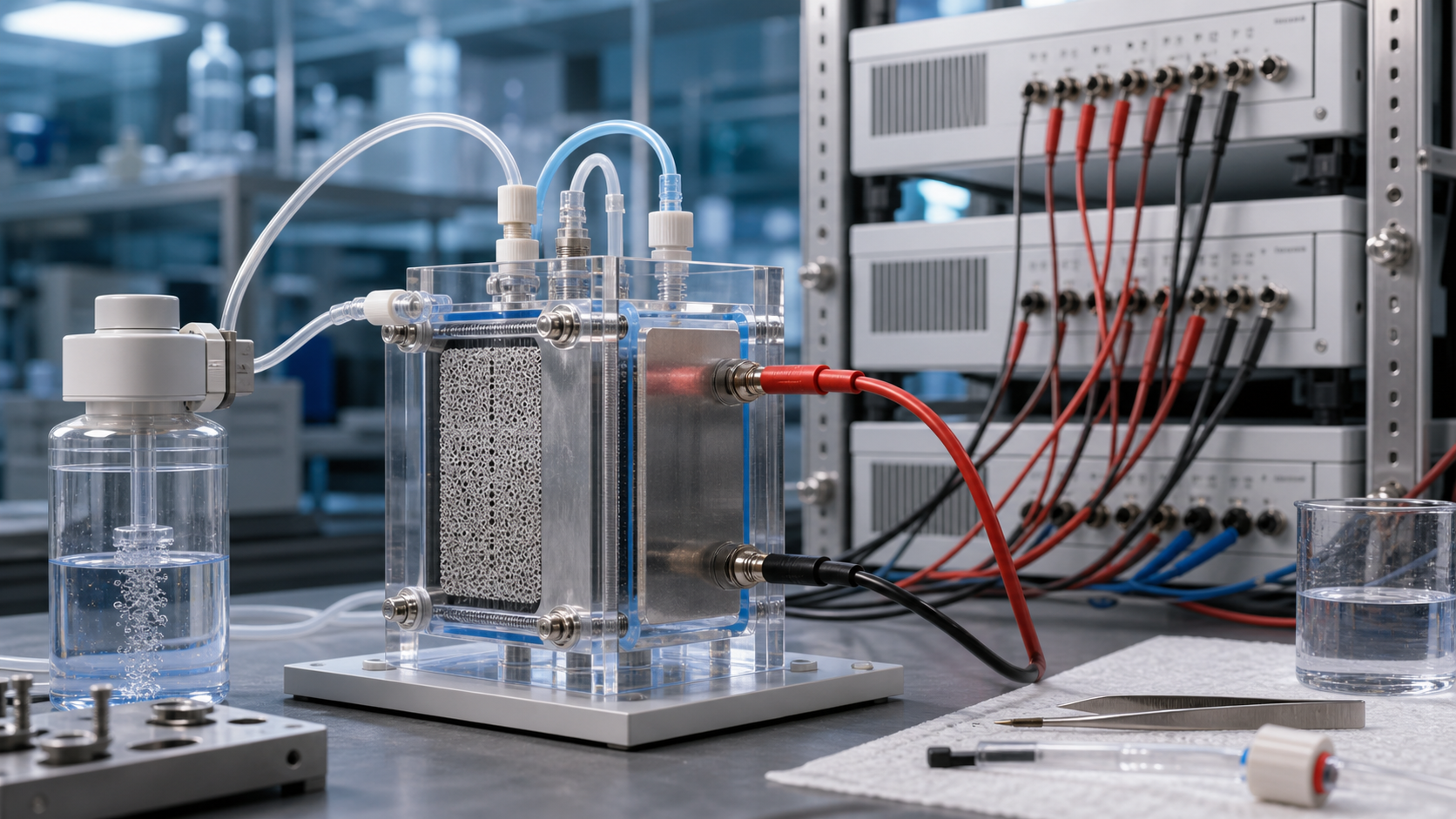
Researchers developed a neutral zinc-acetate electrolyte that breaks apart large ion clusters to improve zinc movement while limiting unwanted reactions. In laboratory cells operating in ambient air, the battery ran for more than 1,800 hours at a low current density with 61.4% round-trip efficiency; a small square prototype also delivered 60 milliamp-hours, but this remains an early battery demonstration rather than a grid-scale product.
Why it matters
Rechargeable zinc-air batteries use relatively abundant zinc and could eventually complement other storage chemistries if their durability, efficiency, and manufacturing economics improve. This study addresses a real electrolyte problem, but its low-current laboratory result cannot yet establish commercial lifetime, cost, safety, or performance in a full-size system.
What to watch
- Independent tests at higher current, greater energy throughput, and practical cell sizes.
- Full-cell round-trip efficiency, self-discharge, temperature range, air-electrode durability, and long-term electrolyte stability.
- Manufacturing cost, lifecycle impacts, recyclability, and performance against established storage technologies.
Sources & evidence
- Cluster level entropy enhancement in neutral acetate electrolytes enables economical and durable zinc air batteriesPeer-reviewed open-access Article in Nature Communications, published January 15, 2026. The unambiguous low-current result is more than 1,800 hours at 0.1 mA cm-2 and 61.4% round-trip efficiency in ambient air; the tests are laboratory-scale and do not establish commercial deployment.
- Source data for the zinc-air electrolyte studyThe study's linked Figshare research data record, used as supporting provenance for the reported electrochemical results.
Continue learning with ACC
Explore ACC's renewable electricity and grid guide