ACC News Brief
Food & Agriculture Southern Australia
Australian farm models show why climate practices work better in combinations
What happened
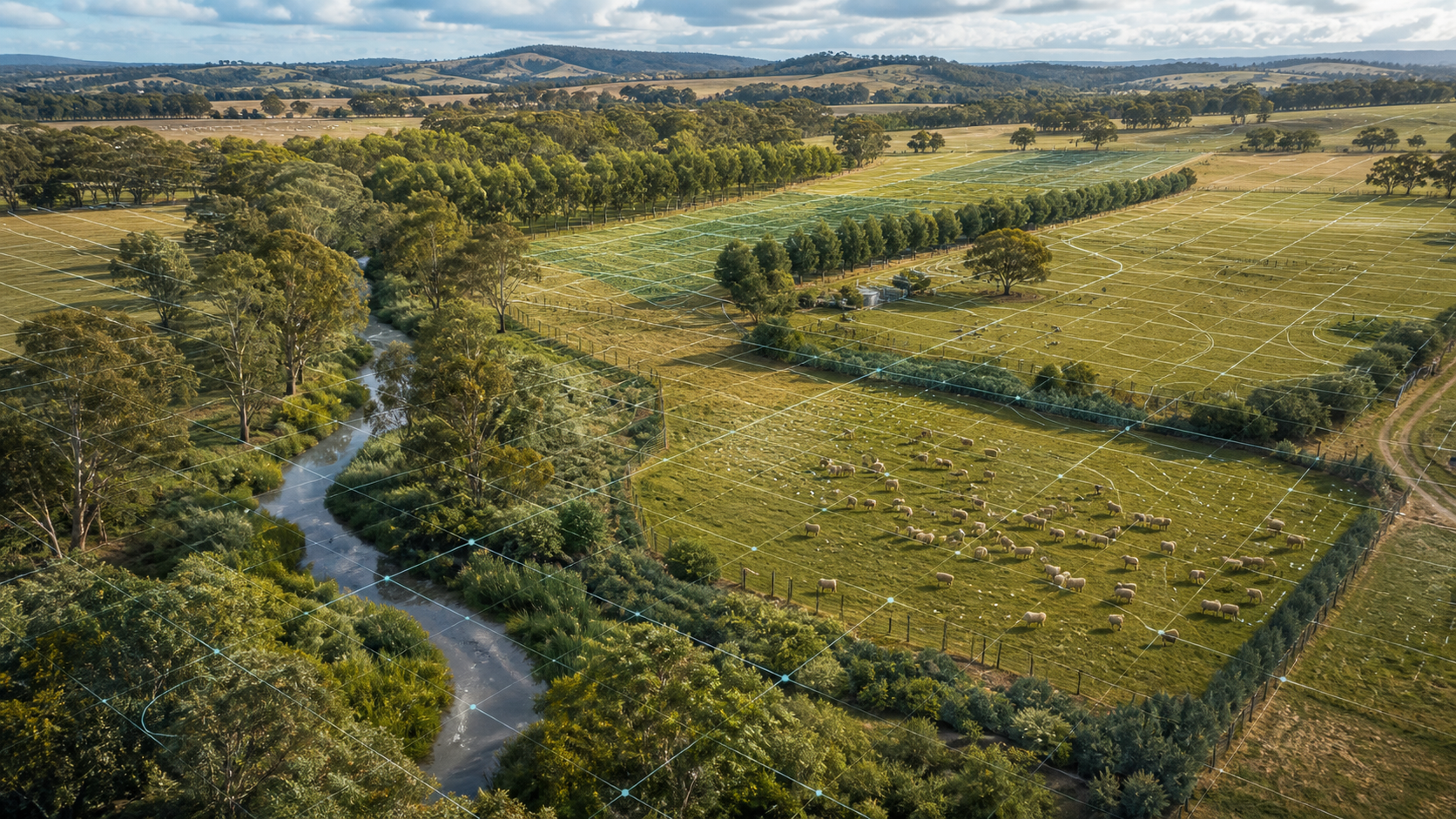
Researchers worked with seven sheep producers across southern Australia to model farm-specific changes in emissions, profitability, production, and biodiversity. Native-tree planting produced the greatest modeled abatement, while one farmer-designed change to livestock purchase and sale timing reduced modeled net farm emissions by 12%; combining complementary practices often performed better than applying one measure alone.
Why it matters
Agricultural climate measures can create benefits in one area and costs in another. Farm-specific planning can make those trade-offs visible, but modeled gains are not guaranteed field outcomes, tree and soil carbon can reverse or plateau, and methane reductions differ from temporary carbon storage.
What to watch
- Measured emissions, biodiversity, production, and profit after farmers adopt combined practices in the field.
- Long-term evidence on tree and soil-carbon permanence, reversal risk, and the land needed for sequestration.
- Feed-supplement cost, access, animal-health evidence, regulation, and performance under commercial grazing conditions.
Sources & evidence
- Tailoring Australian carbon farming can realise greater co-benefitsPeer-reviewed open-access Article in Nature Communications, published January 20, 2026. DOI: 10.1038/s41467-026-68628-5. The intervention results come from participatory simulations calibrated to seven real sheep farms and should not be presented as measured deployment outcomes.
Continue learning with ACC
Explore ACC's ecosystems and biodiversity guide