ACC News Brief
Climate Science Global atmosphere
A 1,100-year ice-core record adds a climate caution for hydrogen
What happened
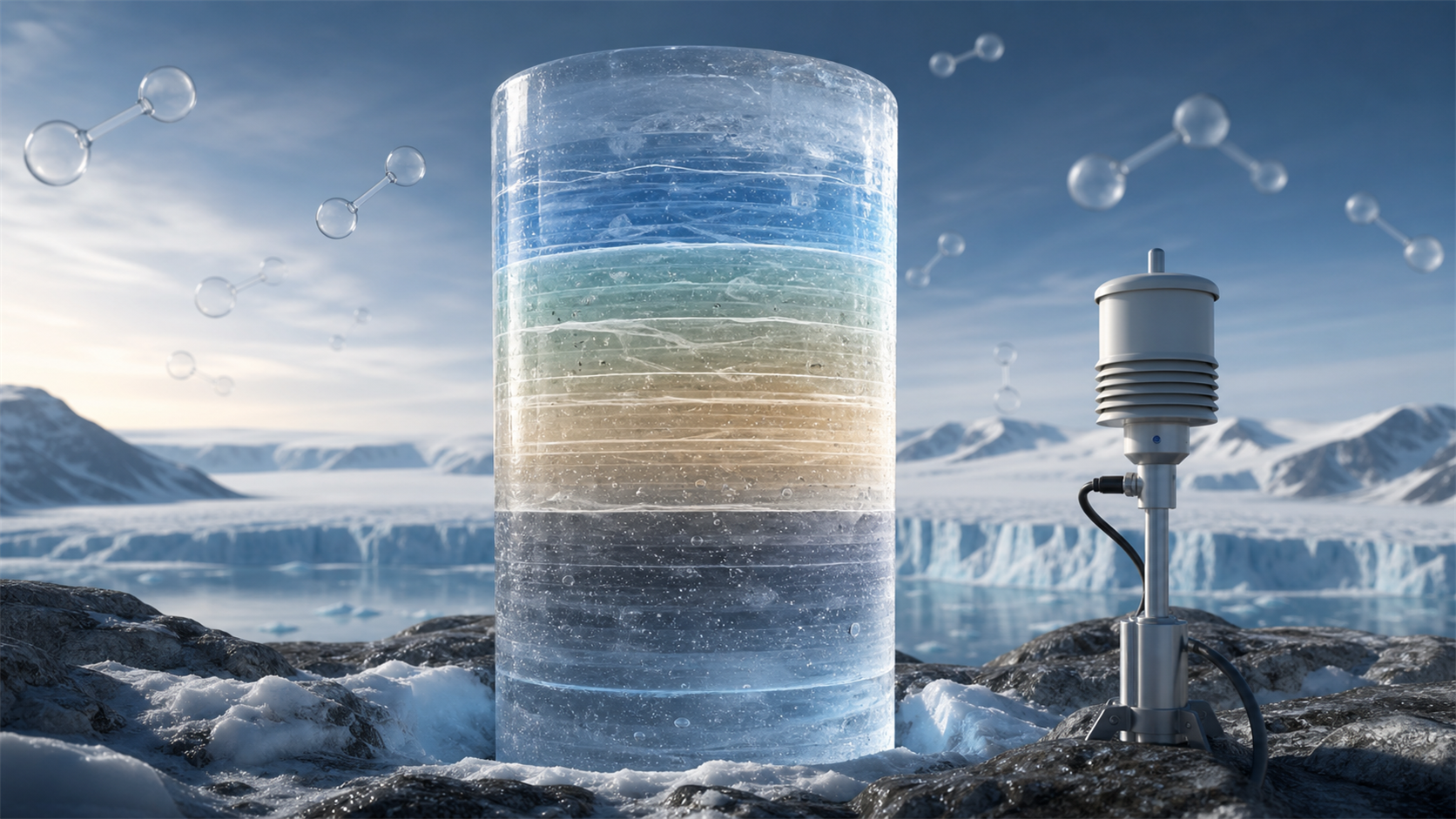
A Greenland ice-core study reports that atmospheric hydrogen rose by an estimated 70% to 111% from preindustrial to modern levels, consistent with industrial-era emissions and increases in hydrogen-producing precursor gases. The record also shows a decline during the Little Ice Age, suggesting that atmospheric hydrogen sources and sinks can respond to climate conditions.
Why it matters
Hydrogen is not itself a direct greenhouse gas, but it can influence methane, ozone, and stratospheric water vapor through atmospheric chemistry. The long record supports careful monitoring and leak control as hydrogen systems expand, without establishing that every hydrogen pathway has the same climate impact.
What to watch
- Replication using additional ice cores and other long-term atmospheric records.
- Updated estimates of natural and industrial hydrogen sources, sinks, and atmospheric lifetime.
- Leak-detection standards and lifecycle assessments that distinguish among hydrogen production pathways.
Sources & evidence
- Atmospheric H2 variability over the past 1,100 yearsPeer-reviewed Nature research article published February 4, 2026. DOI: 10.1038/s41586-026-10099-1. The study reconstructs atmospheric hydrogen variability from a Greenland ice core.
Continue learning with ACC
Explore ACC's alternative fuels guide